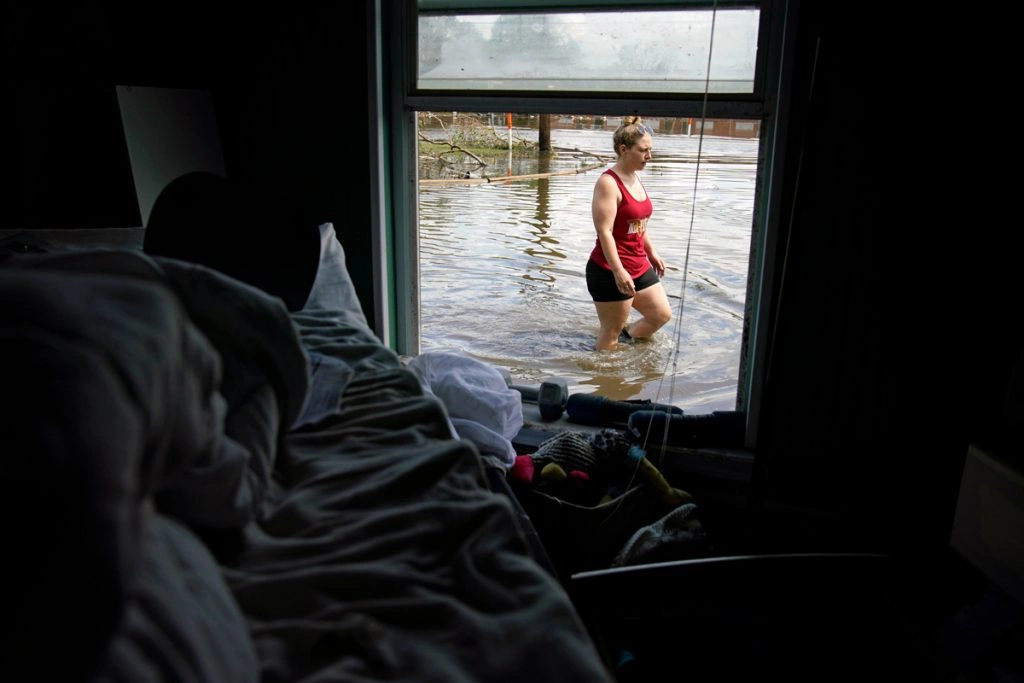
Seven of the 10 most expensive hurricanes in U.S. history occurred within the past decade, according to the National Oceanic and Atmospheric Administration. In 2024, Hurricane Helene was the deadliest Atlantic storm since Maria in 2017 and the most lethal to strike the U.S. mainland since Katrina in 2005. Altogether, five hurricanes made landfall in the U.S. in 2024, damaging an estimated 347,000 vehicles.
The bottom line? Anyone in a risk zone should have a hurricane readiness plan in place by June 1 each year. (The Atlantic hurricane season for the U.S. runs from June through November.)
If you reside near the Atlantic or Gulf coasts, where tropical storms and hurricanes are more common, you can prepare by buying appropriate home and auto insurance, assembling a stocked emergency kit and establishing a family evacuation plan in case a storm intensifies.
But have you considered the steps you should take to ready your car before a hurricane arrives?
Vehicles can be expensive to repair or replace after a hurricane. Below are practical tips to keep in mind.
Getting Your Car Ready Before the Storm
Before bad weather hits, ensure your vehicle is mechanically sound. That way you can depart without trouble if evacuation becomes necessary, says Roszell Gadson, a spokesman for State Farm insurance.
The U.S. Department of Homeland Security recommends that car owners have a mechanic inspect the following items prior to an expected natural disaster:
- Coolant/antifreeze levels
- Battery and ignition system
- Brake system
- Exhaust system
- Fuel and air filters
- Heater and defroster
- Headlights and hazard lights
- Engine oil
- Thermostat
- Windshield wipers and washer fluid
AAA advises keeping your gas tank topped off before storm conditions arrive. Maintaining a nearly full tank during hurricane season helps you avoid incredibly long gas lines the day before a storm.
Think about joining a fuel rewards program to lower costs; gas prices often rise later in the summer, and this year’s active storm forecasts could push prices higher. Many grocery stores that sell fuel also offer shopping-linked fuel incentives.
Also, just as you should have a home emergency kit, keep a kit in your car. Useful items include:
- A paper map with evacuation routes marked if GPS fails
- A phone charger — possibly an emergency charger that works without power
- A first-aid kit
- Bottled water and nonperishable snacks
- A blanket
- A flashlight with spare batteries
Your vehicle should also carry emergency gear such as a spare tire, jumper cables, an ice scraper, and a hazard triangle or road flares.
What to Keep in Mind When Evacuating
If your emergency strategy includes evacuation, leaving well before the storm can help you avoid heavy congestion and severe conditions. If you must drive in wind and rain, take these precautions.
The Red Cross recommends following designated evacuation routes only; don’t attempt shortcuts that may be blocked. Slow down, buckle up and expect traffic signals and signs might be missing or not functioning.
Most importantly, never drive through standing water. Just 6 inches of water can cause loss of control of a vehicle, and 2 feet of water can carry a car away.
AAA offers these tips for driving in rain and high winds:
- Turn on headlights in the rain, but don’t use high beams.
- Lower your speed.
- Increase following distance.
- Do not use cruise control.
- Hold the steering wheel firmly in strong winds.
- If traffic signals are out, treat intersections as four-way stops.
AAA also suggests pulling as far off the roadway as safely possible, switching on emergency flashers and waiting for heavy rain to subside if visibility is so poor you can’t see road edges or other vehicles.
Safeguarding Vehicles in a Hurricane Zone
If you plan to remain at home, park your car in the safest spot available.
“Choose higher ground that’s less prone to flooding,” Gadson of State Farm recommends.
A garage offers protection from flying debris. If you must leave your car outdoors, secure patio furniture and other loose items that could be swept up by high winds and strike your vehicle. Consider covering the car with a tailored car cover (or blankets and cardboard if necessary) to help prevent scratches and dents.
The notion that taping car windows prevents them from shattering in a hurricane is a myth, but you can help protect windows by applying security window film. While not foolproof, it may make windows more resistant to windblown debris.
Gadson suggests reviewing your auto insurance with your agent before a storm. Also, photograph your vehicle before a storm and store important documents — like the vehicle title and insurance papers — in a secure place.
State Farm recommends customers maintain comprehensive coverage, which typically covers loss or damage from severe weather.
If Your Vehicle Sustains Damage
After a hurricane, inspect your car for harm. Minor dents, scratches and broken glass might be covered by insurance, but if your vehicle was submerged or driven through standing water, have a mechanic perform a detailed evaluation.
Flood water can inflict permanent damage on vehicles. In many cases, insurers may declare a car a total loss if it has significant water damage from a hurricane. If that happens and you look for a used replacement, remember local used vehicles may also have been exposed to the same storm — and dishonest sellers might try to hide damage.
How to Avoid Purchasing a Flood-Damaged Used Vehicle
Know how to identify flood-damaged cars before visiting a used-car lot. When buying from a dealership, request the CARFAX vehicle history report if you suspect flood exposure. When buying from a private seller, watch for these warning signs:
- Musty odors, especially mold or mildew — often a sign the vehicle sat in standing water.
- Stained carpeting or rusted metal. Water stains on carpets or seats and rust on body panels or the undercarriage indicate heavy water exposure, especially in newer models.
- Unusual dirt or mud buildup in places like the trunk or seat tracks — evidence that mud reached areas it normally wouldn’t.
- Moisture inside headlights and taillights. Cloudy or foggy lights can signal prolonged water intrusion.
- Mismatched components, such as floor mats that don’t match the seats. A seller might swap out a damaged mat hoping you won’t notice the mismatch.
For extra caution, have a trusted mechanic inspect the vehicle before completing the purchase. Avoid any seller who resists allowing an independent inspection.
Nicole Dow is a former staff writer at Savinly and Timothy Moore is a frequent contributor on banking, investing and automotive matters.