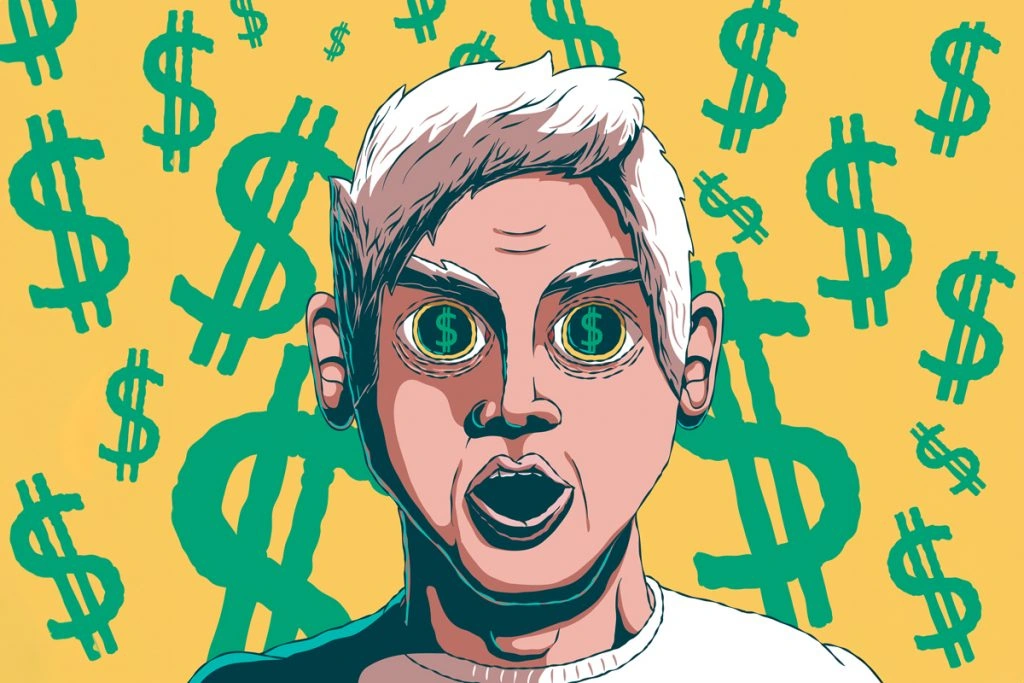
Scrolling through social platforms can leave you feeling inundated with tales of financial triumph like, “How I hit millionaire status by 25!” or “How I saved $100,000 before turning 20!” It’s natural to measure yourself against others. So when you encounter these dramatic successes, it can seriously distort your perception of your own money situation. That warped perspective is often referred to as money dysmorphia.
This psychological issue can swing both ways. You might worry you’re falling short financially even if you’re actually in a stable position. Or — driven by certain narratives — you may believe you’re doing spectacularly well when you really should be reining in spending. The former pattern tends to be more common.
Let’s explore what money dysmorphia means, how to recognize it and what steps to take if it’s affecting you.
Make managing money simpler. Sign up for Savinly’s newsletter today.
What Exactly Is Money Dysmorphia?
Money dysmorphia is an umbrella term for when someone develops a warped and irrational fixation on their finances. With this skewed self-image, you may view yourself as much poorer or richer than you truly are. That dissonance can spark emotional turmoil, financial anxiety and maladaptive behaviors like compulsive spending or excessive hoarding of cash.
Why Younger People Are Particularly Vulnerable
Influencers on Instagram and TikTok often flaunt extravagant vacations in Ibiza or opulent getaways in Bali. Online, it can seem like everyone is flush, even when that’s not the case. Younger generations — who spend nearly five hours per day on social media — are constantly exposed to these highlight reels, so it’s unsurprising they can develop a distorted sense of their own finances.
A Qualtrics survey conducted for Intuit Credit Karma found that 43% of Gen Z and 41% of millennials reported experiencing money dysmorphia. In comparison, 25% of Gen X and only 14% of those 59 and older said the same. The study also revealed that over 54% of respondents with money dysmorphia are preoccupied with the idea of becoming rich, compared with just 12% of those who don’t report the condition.
Gen Z and millennials’ fixation on extreme wealth, combined with a skewed view of their actual finances, leads to poorer money choices. The survey showed that 95% of Americans with money dysmorphia say it harms their finances — prompting overspending, accumulating more debt and hindering saving efforts. In short, comparing yourself to others not only steals joy, it can damage your financial health.
More from Savinly: Should You Be Loud Budgeting? What to Know About the TikTok Money Trend
Signs You Might Have Money Dysmorphia
An increasing share of Gen Z and millennials report some form of financial insecurity, regardless of their actual status. If you’re experiencing similar feelings, you might wonder whether you have money dysmorphia. Look out for these indicators:
1. You misrepresent your finances.
If someone asks how much you’ve saved and you deliberately inflate or minimize the number, this could signal money dysmorphia. “If you’ve lied about your finances — whether saying you have more or less than you do — that’s a clear sign of money dysmorphia because your perception doesn’t match reality,” Michael Liersch, Ph.D., head of Advice & Planning for Wells Fargo, wrote in an email.
2. You’re always comparing yourself to others.
Jason B. Ball, a certified financial planner and chartered financial consultant, notes that if you constantly measure your financial situation against what you see online, that’s a warning sign. “It’s easy to feel like you’re not doing enough when others post about lavish trips or new cars. Keep in mind social media usually showcases highlights, not the entire picture,” he said.
3. Money triggers strong emotional swings.
Another clue is experiencing intense feelings tied to finances. “You may feel envious or anxious when seeing friends’ milestones, or alternatively, overly self-assured if you think you’re ahead of others. Both extremes suggest a distorted view of your monetary reality,” Ball explained.
4. You pursue unrealistic financial ambitions.
Setting goals to improve your finances is healthy. But Ball warns it becomes problematic if those targets are based on others’ lifestyles rather than your own needs. For instance, buying an expensive car just because your neighbor has one, or pinning a $100,000 designer bag to your vision board simply to mimic the image of being ‘rich.’
Related: How to Pay off Credit Card Debt in 2025
Questions to Reflect On
Still unsure whether money dysmorphia applies to you? Ask yourself these questions to better gauge your relationship with money:
- Do you routinely compare your finances to others?
- Does scrolling social media trigger anxiety about money?
- Have you overspent to keep up with friends or influencers?
- Do you catch yourself often lying about your financial situation?
- Do your self-worth and confidence fluctuate with your perceived monetary status?
- Are you neglecting financial responsibilities because of feelings of inadequacy or despair?
If most answers are yes, consider consulting a financial therapist. They can help uncover the root causes.
Ways to Overcome Money Dysmorphia
Addressing money dysmorphia can be challenging, but you can manage it with these approaches:
- Refocus on your own finances. Everyone starts from different places. You might be comparing yourself to someone from a wealthy background. Instead of looking outward, “set achievable financial goals aligned with your income, expenses and long-term plans. And celebrate small wins along the way,” Ball recommended.
- Reduce social media exposure. If you’re spending excessive time on TikTok or Instagram, try cutting back. “Curate your feed to follow creators who inform and uplift rather than pressure you. There are also tools to limit how much time you spend on these platforms,” Ball said.
- Seek professional guidance. Money dysmorphia can create a skewed perception of your financial well-being and fuel anxiety. Getting an outside perspective can help. “A financial advisor can clarify your situation and offer a reality check to keep you grounded,” Ball advised.
More from Savinly:
- Here’s How to Start Saving Money — Even If You Don’t Have Room in Your Budget
- 31 Ways to Make Money Online & From Home in 2025
- Our Top Picks for Best Savings Accounts This Month
Raina Brooks covers personal finance topics like saving, investing, mortgages, student loans and more. Her work has appeared in Forbes Advisor, Chime, U.S. News & World Report, RateGenius and GOBankingRates, among other outlets.