Butterfly barrettes and low-rise denim: whether you love it or hate it, Y2K trends have returned. Instead of focusing on wardrobe choices, though, let’s rewind to 1999 and examine the bills people paid during the Y2K era.
We’ll highlight the types of household expenses that existed then and which ones we pay now. In some situations, living back in 1999 could be less expensive. In others, modern conveniences — even with extra monthly charges — actually save money.
Here’s a look at how things compared.
Back then we didn’t have cell phone bills; we had landlines.
Indeed, around 2000 most people still didn’t own a mobile phone. Those who did often kept it for emergencies at first, only to wind up using it frequently.
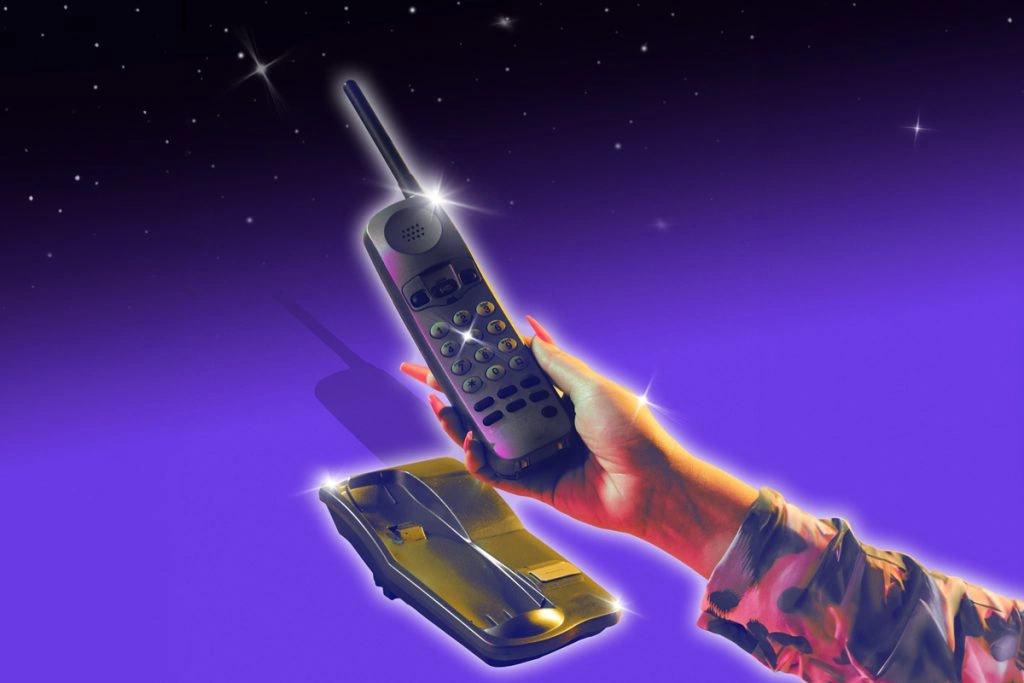
The number of mobile subscribers climbed quickly after that, but at the time nearly everyone had a landline. Some were the old corded models, while many households used cordless phones that recharged in a base unit so you could move about the house.
Which cost less: cell phones or landlines?
It’s a nuanced comparison. Basic landline service often ran between $40 and $50 a month. But that wasn’t the whole story: long-distance charges were common if you called outside your area code. An hour-long international call could easily run $60 to $100.
In 1999, prepaid mobile plans were popular for those who had a cellphone at all. Rates were often around $1 per minute, and text messages typically cost between $0.05 and $0.35 each.
You could find monthly plans as low as $15, but network quality mattered a lot. That’s why many people opted for pricier carriers like Verizon — you paid more to actually get reliable service.
Mobile plans sometimes exceeded landline costs — not every plan was $15. Going over allotted minutes or calling at peak hours could inflate a bill, and a chatty month might result in a bill of $200 or more.
Today, landlines are rare while cell phones are ubiquitous. In 2024 you can easily find a single-line plan with unlimited calls and texts for around $60, and plenty of options under $30 if you look. In inflation-adjusted terms, $30–$60 today roughly equals $16–$32 in 1999. With unlimited services, modern plans often deliver better value than Y2K-era bills.
How to trim your cell phone bill now
Comparison-shopping among budget carriers is a top tactic. Family plans can be economical — and you don’t actually need to be related to split costs. Prepaid plans can still be a smart choice if used correctly in 2024.
We didn’t have streaming; we paid for cable.
Some households still have cable today, but in 1999 almost everyone who wanted more than broadcast TV paid for cable or satellite. Streaming platforms weren’t yet part of the picture.
THE MORE YOU KNOW: Netflix was only two years old in 1999 and operated as a mail-based movie rental service — like Blockbuster, but with DVDs delivered to your mailbox.
Which proved cheaper: cable or streaming?
In the Y2K era a basic cable package cost about $13, with higher tiers climbing steeply. Monthly bills could fall anywhere in a range of roughly $13–$125 in 1999.
That converts to approximately $24–$234 in today’s dollars. While many households spend $24 or more on streaming services now, the breadth of content available dwarfs what basic cable offered back then.
If your streaming bill exceeds $234 a month in 2024, you’re overspending. Below are some ways to get better value.
How to cut cable and streaming costs
Numerous free streaming apps exist, so you might not need paid services at all. If you do subscribe, rotating platforms month to month to follow specific shows can keep costs down. You can even find ways to get paid for engaging with content, such as working as a tagger for certain platforms.
For those still on cable, negotiating your bill can produce savings. Other tips include looking for federal subsidy programs and buying your own modem and router instead of renting them from the provider.
Many of us didn’t carry health insurance outside of work — often we simply had none.
Before the Affordable Care Act (which arrived well after Y2K), people without employer-sponsored coverage frequently went uninsured. That was especially true for folks with pre-existing conditions, which the Centers for Medicare & Medicaid Services estimates affected 19% to 50% of non-elderly Americans. Short-term plans existed, but premiums could be prohibitively high.
In many states, adults with low incomes couldn’t qualify for Medicaid. Waiver programs sometimes helped, but long waitlists meant most people never secured coverage. Medicaid expansion still hasn’t reached every state in 2024, but the ACA did widen access to public and private plans in many places.
Which was cheaper: health insurance in Y2K or after the ACA?
In 2000 a single person’s share of employer-sponsored health coverage averaged about $2,471 per year. By 2023 that figure rose to $8,435.
Although costs climbed, the uninsured rate dramatically declined. In 1999 roughly 15.5% of people were uninsured for the entire year; by 2023 that fell to 7.7%. Many newly insured individuals obtained coverage through Medicaid expansion or subsidized marketplace plans.
How to save on health insurance today
Check whether you qualify for Medicaid or a subsidized marketplace plan. If you must use employer coverage, options to reduce premiums are limited, but you can shop benefits before accepting a job or consider charity care when seeking medical services.
We didn’t stream music; we bought full albums on CDs.
Music streaming didn’t really exist in 1999. Napster launched midyear and was followed by LimeWire, enabling people to use dial-up internet to download MP3s — often illegally and sometimes picking up malware. If your computer supported it, you could burn MP3s to a CD and play them in a Discman.
If you avoided pirated files, you bought entire albums on CD from stores like Media Play.
Which cost less: CDs or streaming services like Spotify?
For listeners, subscription services such as Spotify generally deliver far more music for less money than buying multiple CDs. However, artists often earn less per stream than from album sales.
How to save on music subscriptions
Many services offer free tiers with ads: Spotify, Deezer, TuneIn and iHeartRadio among them. Paying often removes ads and unlocks features like on-demand playback. If you already pay for Amazon Prime, Amazon Music can be another low-cost option.
Food delivery used to mean the restaurant’s drivers came to your door — they were employees.
At the turn of the century, ordering delivery meant calling a restaurant that operated its own service — typically dialing from a landline. Drivers were employees (though their base pay could be low and reliant on tips), and they often provided and maintained their own vehicle.
Still, drivers did keep all tips, and in some cases they earned more than kitchen staff.
Which was cheaper: direct restaurant delivery or third-party apps?
Ordering directly from a restaurant was undeniably cheaper. There wasn’t a subscription to access the service, and delivery fees didn’t become common until later — and when they did, they were usually modest ($0.50–$2.00).
Today delivery apps often require a subscription to get the best fees, add service charges, and expect you to tip on top of that. Apps also classify drivers as contractors who don’t receive the same protections as employees. Even in 2024, calling the restaurant is usually the less expensive option if they handle deliveries themselves and you live within their zone.
How to save on delivery app orders in 2024
First, check whether the restaurant delivers directly. If not, compare prices across services and assess whether a monthly subscription is worth it based on how often you order.
Pittsburgh-based writer Harper Nolan is the founder of Femme Frugality and the author of “The Feminist Financial Handbook.” They contribute regularly to Savinly.