My partner and I bought our first electric vehicle (EV) in November 2024. We’d been talking about switching to electric for some time, but only made the leap when our dependable Subaru finally gave out. After replacing the transmission and learning the engine might also need replacement, we decided it was time for a new direction.
As with any vehicle purchase, we mapped out a budget, compared the most economical EV models and weighed our must-haves versus nice-to-haves. After lots of discussion and several test drives, we selected a 2024 Hyundai Ioniq 5 with all-wheel drive. It’s a midsize crossover with just enough space for the four of us. We secured financing, paid our down payment to the dealer and drove off with our new ride.
Important Things to Know Before Buying an EV
We still enjoy the car and feel confident we chose well. That said, there are a few things I wish I had known before finalizing the purchase. Here are the key points to understand before you buy an EV.
1. The sticker price isn’t the only expense
When purchasing a gas-powered car, you account for registration, insurance and taxes — the same applies to EVs. However, I didn’t expect some of those charges to be higher than anticipated.
Many state motor vehicle agencies impose an additional registration fee for electric or alternative-fuel vehicles, like hybrids, plug-in hybrids and battery electrics. These surcharges are intended to offset lost revenue from gasoline taxes. According to the National Conference of State Legislators, 39 states levy a special registration fee on electric cars. Depending on where you live, you might pay an extra $50 to $250 — and in some places like Texas it can be as much as $400 to register a new EV. In my home state of Ohio, we were charged an additional $200.
Typically, these fees support state transportation funds used for road upkeep, improvements and infrastructure repairs. Some states also allocate a portion toward expanding public EV charging networks, which can make ownership easier for more people.
2. Installing a home charger can be pricier than expected
Before buying the Ioniq 5, we planned to install a charger in our garage. I researched approximate costs but overlooked whether our electrical panel could handle the extra load.
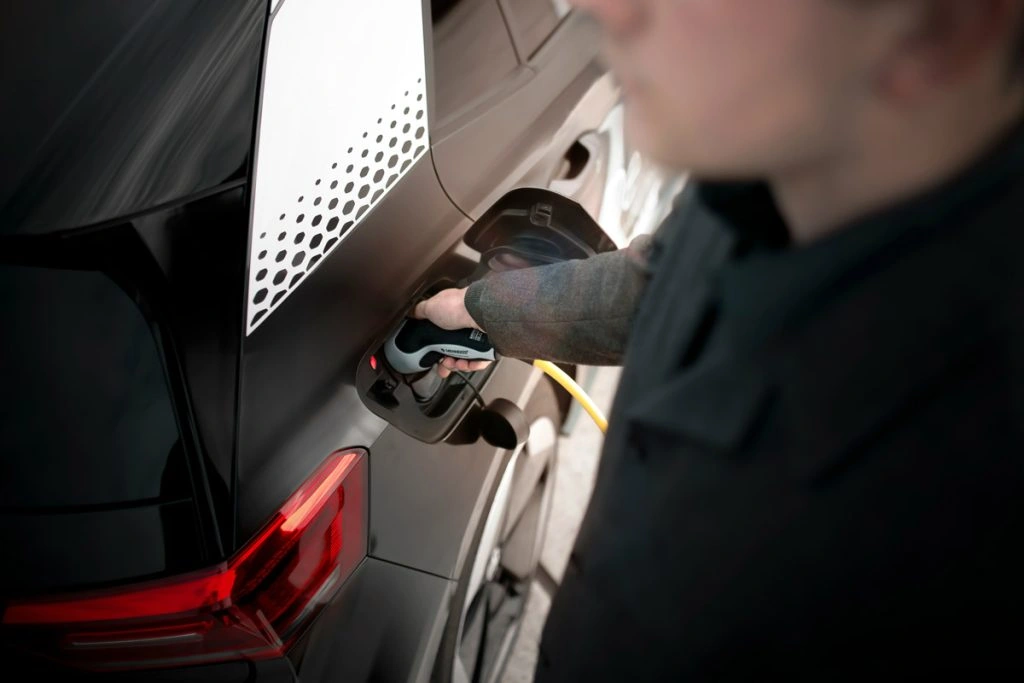
Home charging units range from about $200 to $700, depending on brand and features. After comparing options, we chose the Emporia 48-amp charger, which ran $399.
We then contacted local electricians for estimates and learned our electrical panel required upgrades to support the charger, including a load management device to prevent overloading circuits. The load management system added roughly $1,000, and wiring plus outlet installation cost just over $1,600.
Including the charger itself, our total came to about $2,000. We decided the convenience was worth it, but handing over a couple thousand dollars shortly after spending $50K on a vehicle felt steep.
3. Public charging can be inconsistent
Prior to installing the home charger, we depended on public charging stations. That approach is workable if you can’t install a charger at home, but I found public stations can be unreliable.
The primary charger I used was at my gym. I’d plug the car in during workouts and gain a few dozen extra miles for $1 per hour. (As a bonus, that helped motivate me to actually go to the gym!) But there were only two plugs, and if both were occupied when I arrived, I had no backup.
Public chargers also sometimes malfunction. On one occasion, I planned to charge while out to dinner and discovered two of the four stations were out of service. Fortunately one available unit worked, but if I had been low on battery it would have been stressful.
A friend who owns an EV suggested the PlugShare app. It displays nearby chargers on a map, includes user reviews so you can assess reliability, and shows whether a port is currently in use so you don’t arrive to find it occupied. I’ve used it several times and found it accurate.
Also be mindful of charging etiquette. The first time I used a fast charger, another driver asked me to unplug because my battery was above 80% and they were waiting. While public fast chargers can charge to 100%, it’s generally considered courteous to stop at about 80% when others are in line.
4. The advertised range isn’t always the real-world range
Hyundai lists the AWD Ioniq 5’s range at 260 miles on a full charge. I’ve found that to be pretty close — but only when I avoid using climate controls and keep my speed reasonable.
The first cold snap this winter taught me a lesson: as soon as I turned on the heater, the car’s estimated range instantly fell by roughly 10 miles. Cranking the heat further shaved off a few more miles. A slight range drop may not seem significant, but it matters if your battery is low. I ended up turning off the cabin heater and relying on heated seats and the steering wheel to stay comfortable while conserving range.
Speed also influences range: driving faster typically reduces how far you can go. For long trips, plan charging stops earlier than you think to avoid letting the battery dip too low.
Finally, outside temperature affects EV efficiency. Batteries work harder in cold weather and systems run more to cool batteries in extreme heat, both of which can reduce range.
There’s a lot to consider when thinking about what you should know before buying an EV. Much depends on your situation and priorities, but being informed will help you make a confident decision.
Jordan Meyers is a Certified Financial Education Instructor and freelance writer focused on personal finance and home projects. He lives in Ohio with his spouse, two children and a couple of lively dogs.