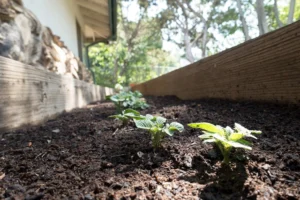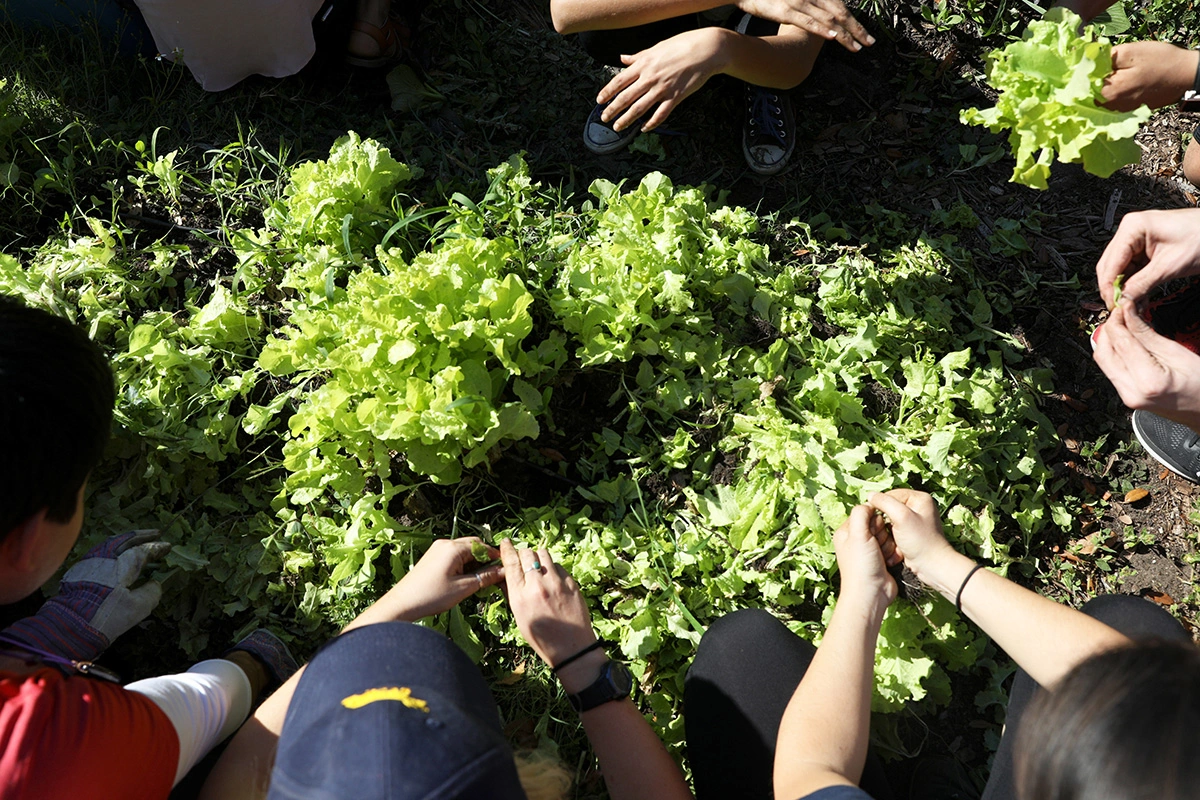
Gardening usually trims grocery bills, and as food prices climb, cultivating your own produce can protect your finances — provided you keep spending in check. Whether you have a backyard plot, a tiny balcony or just a sunny windowsill, these budget-friendly strategies will help you produce more for less. From reusing everyday items to finding free seeds, here’s how to create the garden you want without overspending.
1. Begin With Seeds Rather Than Young Plants

Buying potted starts from garden centers is convenient, but the expense builds quickly. Instead, sow seeds — they’re far more economical. You can often purchase a full packet of seeds for about the same cost as a single transplanted plant. Plus, it’s rewarding to nurture your garden from the very beginning.More From Savinly:Real Ways to Finally Get Out of Debt Without Going Broke
2. Regrow Vegetables From Kitchen Leftovers

You could be discarding perfectly usable produce. Many vegetables can regrow from scraps — think green onions, romaine and even potatoes. Put the scraps in water or soil and watch new growth appear. It’s a free way to stretch your grocery budget.Make money easier. Sign up for Savinly’s newsletter today.
3. Craft Plant Pots From Items Around the House

Skip expensive decorative pots. Use things you already own — yogurt tubs, egg cartons or even a pair of old sneakers — as plant containers. Just add drainage holes. Reusing household items keeps waste down and money in your wallet. Also consider exploring ideas for a cheap garden to get started.
4. Turn Scraps Into Compost for Free Nutrients
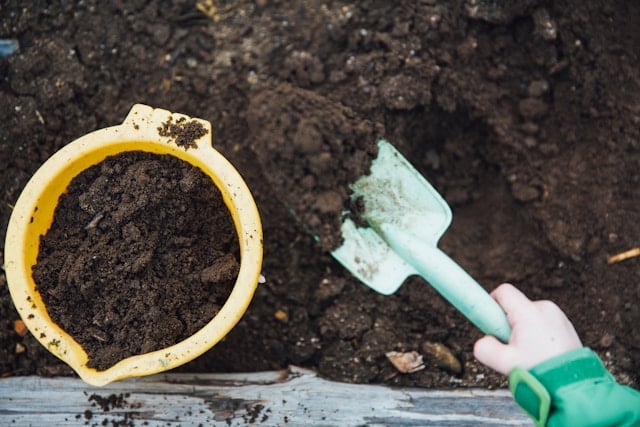
Rather than buying fertilizer, compost kitchen and yard waste at home. Save vegetable peels (avoid meat and dairy) and yard clippings to create rich, natural soil amendment. You don’t need a commercial bin — a simple pile or homemade container will do, and it cuts down on household rubbish while feeding your plants.More From Savinly:All The Ways You’re Losing $1,000+ a Year, And How to Fix It in 10 Minutes
5. Visit Local Seed Swaps and Gardening Meetups

Your community likely hosts low-cost or free gardening resources like seed swaps, plant trades and garden clubs. These events are excellent for picking up supplies and learning from experienced growers. Look on social platforms, at libraries or extension offices. Farmers markets are also good places to find plants and seeds.More From Savinly:50 Easy Ways You Could Make Extra Money This Month
6. Collect Rainwater to Lower Water Bills

Watering can spike utility costs, especially during hot months. Collect rain in barrels or tubs for free irrigation. Check local regulations first, since some locations restrict rainwater capture. A simple DIY system using repurposed containers can result in noticeable savings.
7. Use Mulch to Cut Down on Watering and Weeding

Mulch preserves moisture in the soil, suppresses weeds and contributes organic matter. You don’t have to purchase commercial mulch — use fallen leaves, grass clippings or shredded newsprint. It’s an eco-conscious tactic to maintain a healthy garden with little effort.More From Savinly:Frugal People Never Spend Money on These Things
8. Hunt for Used Tools and Garden Gear

Buying pre-owned is a smart way to outfit your garden without overspending. Browse yard sales, estate sales and thrift stores for tools, pots and other necessities — you’ll often find good-quality items at a fraction of retail price.More From Savinly:Americans With More Than $25K in Debt, Make These Money Moves
9. Start Small and Grow Over Time
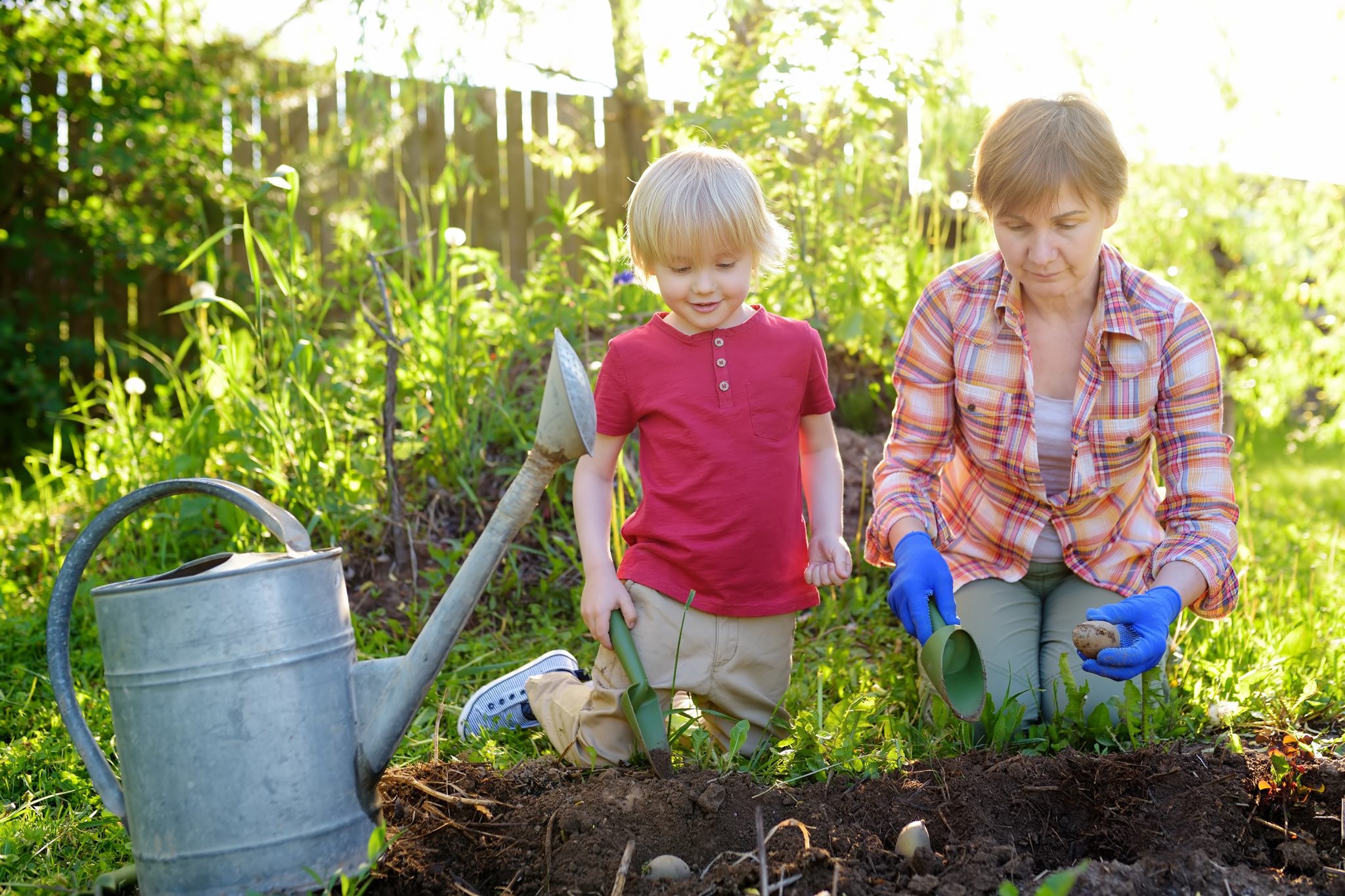
Avoid diving in with everything at once. Begin with a handful of plants and expand as you gain experience and understand what thrives in your space. This approach minimizes waste and keeps initial costs down. Gardening is a process — small successes make it enjoyable and budget-friendly.More From Savinly:Our Picks for The Best Checking Accounts for This Month