Summer has arrived, and even though many fruits and vegetables are in season, grocery bills continueto climb.
Whether you’re tightening your belt financially or simply hunting for more thrifty tactics, these three approaches can help you locate gratis produce or budget-friendly veggies during the warmer months.
Locate Free Farm Stands, Fridges and Pantries
Depending on your area, no-cost produce may be tucked away at free farm stands, community fridges or Little Free Pantries — the food-focused cousin of the Little Free Library movement.
The most challenging part of tapping into these sources is actually finding the nearest options, which can be tricky if you’ve never used these tools before.
A good first stop is local food rescue groups, neighborhood pantries or community meal programs. Staff and volunteers at these organizations often know about nearby or regional initiatives.
Community fridges and Little Free Pantries (which usually stock pantry basics, although gardeners sometimes drop off surplus produce) provide no-questions-asked access to free food.
Little Free Pantries offers alocator mapto find pantries in your vicinity, but community fridges are harder to track. They’re often identified by signs advertising “free food,” so you might pass one on a walk or hear about it by word of mouth. Searching Instagram for#freefridgeor#communityfridgeis another way to discover what’s available.
Shop Farmers Markets Intelligently
Farmers markets are ideal for picking up seasonal, locally grown produce while supporting local growers, and they can also yield bargains when you know what to look for.
Typically, farmers don’t enjoy haggling over prices, but there are a few notable exceptions.
Vendors frequently select only the freshest-looking items for display. Oddly shaped or blemished fruits and vegetables that don’t make the display cut are often sold as second-quality, commonly labeled as “seconds.” Not every vendor separates out seconds, but those who do will often offer them at a discount.
Certain produce has parts many shoppers discard (think radish greens or carrot tops). Buyers will often take the root and leave the greens behind.
While farmers usually reserve those leftovers for compost, you might politely request them for free. Radish greens and carrot tops can be turned into pesto, or you can, as I have, use extra veggies to feed a pet. According to the Food Recovery Hierarchy, feeding people and animals is preferred to composting edible food.
Producers generally prefer not to haul unsold produce back home. Near the end of the market day, when they’re packing up, sellers are sometimes more open to reducing prices on remaining items. It never hurts to ask courteously, but remember that not every farmer can offer a markdown.
Glean for Unwanted Produce
Studies indicate that30-40% of farm-grown foodgoes unused.
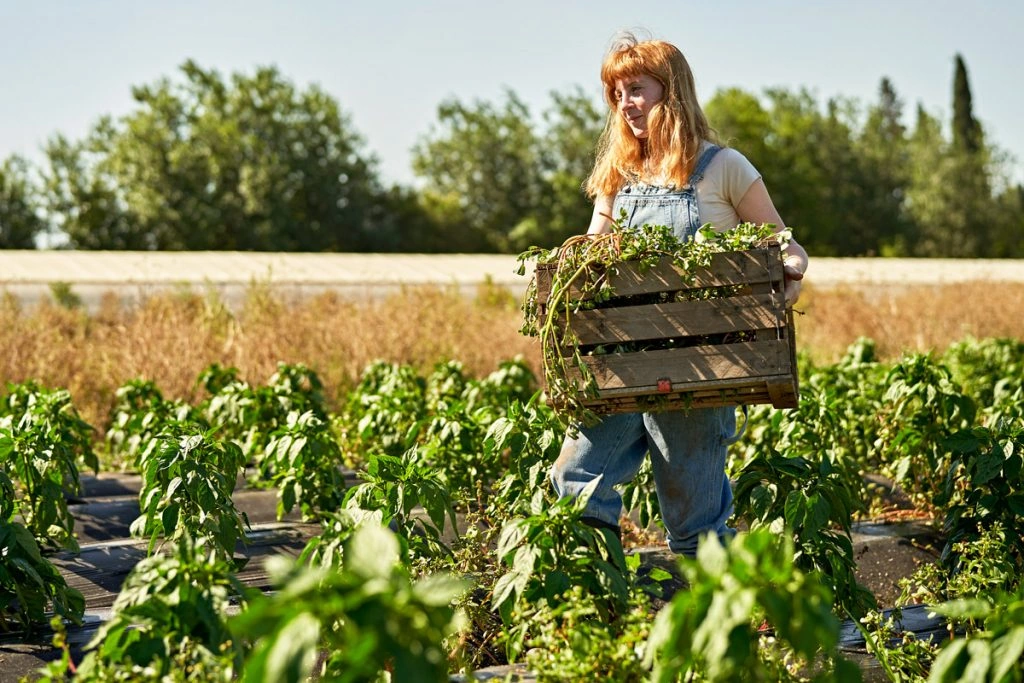
Fortunately, gleaning groups regularly harvest leftover crops from fields to supply food banks or soup kitchens. You can also glean for your own use: ask nearby farmers or community gardeners if you can help tidy fields in return for surplus produce.
While gleaning with a food rescue organization usually directs the harvest to those in need, occasionally farmers will give you some produce as a thank-you (I’ve experienced this myself).
You don’t have to live next to farmland to glean.Urban gleaning and foraging groupsoften harvest from neglected sources, like street trees or homeowners’ trees when owners don’t want their fruit.
You can also learn about edible wild plants by taking classes (the School of Self Reliance and Brooklyn Brainery are two options). Crops on private property should not be foraged without permission, but if you encounter wild edibles in public woods or parks, they’re typically acceptable to harvest as long as you follow responsible foraging guidelines.
The foraging nonprofitFalling Fruitmaintains a worldwide database of 3,621 edible species to assist your search. Its listings include familiar items like mulberries, grapes and elderberries as well as lesser-known edibles such as staghorn sumac (useful for lemonade or as a spice) and kousa dogwood, a small custardy fruit suitable for homemade wine, jam or pie.
These tactics are adaptable and practical whether you live in a city, suburb or countryside. They tend to be most fruitful in summer when abundance is high, but they can help you cut costs throughout the year.
Take only what you need, remember to leave some for others — and give back whenever you’re able.
Alex Reilly is a contributor to Savinly.