When finances are stretched, it’s hard to think beyond meeting the everyday needs of yourself and your household. With so much global focus on environmental efforts, we asked whether it’s possible to do both — secure basic needs and care for the planet.
Good news! We discovered 10 simple approaches that can reduce expenses while also benefiting the environment.
How to Save Money and the Environment
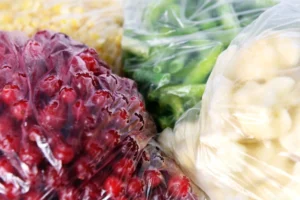
When you look for ways to help the environment and save cash at the same time, it helps to shift your mindset. For example, instead of habitually buying Ziploc bags every month, consider rinsing and reusing them. Likewise, plastic food containers from the grocery store can have multiple lives.
So, as you plan, recognize that the focus is on using less and putting in a bit more effort. Some suggestions require an upfront outlay but will save money once established — like seeds and tools for a garden.
Below are 10 strategies to rethink daily habits so you can cut costs and shrink your footprint.
1. Choose Reusables Over Single-Use Items
Many households buy a handful of paper items regularly — paper towels, napkins, tissues and toilet paper. There are also numerous disposable plastic products we use, which we’ll cover in a bit.
Instead of single-use paper towels, use rags or kitchen towels to wipe up messes and spills. Swap paper napkins for washcloths, especially useful for kids. Washcloths outperform fancy cloth napkins in durability and absorbency.
Disposable vs. Reusable Towels Type Seller Price Uses Bounty Paper Towels (2 pack) Amazon $6.53 246 Mainstays Washcloths (18 pack) Walmart $4.88 Up to 5 years
Plastic items are inherently reusable, yet we frequently discard them after one use. A 60-count box of gallon Ziploc bags costs about $9, while a six-pack of dishwasher-safe reusable bags runs around $14. Do the math: each reusable bag can replace more than 300 single-use bags, giving about 1,800 uses for $14. Buying the equivalent one-use bags would require around 30 boxes at $9 each — about $270. That’s roughly $256 saved.
Disposable vs. Reusable Food Storage Bags
| Type | Seller | Price | Uses |
|---|---|---|---|
| Ziploc Gallon Size Bags (60 pack) | Walmart | $7.97 | 60 |
| Lerine Dishwasher Safe Reusable Food Storage Bags (6 pack) | Amazon | $14 | 300 each/1,800 total |
Reusable water bottles are another easy swap. One reusable bottle replaces dozens (or hundreds) of single-use bottles over time. If you replace one 16-oz bottled water per day with a refillable bottle, you eliminate 365 disposable bottles a year — a win for your wallet and the climate.
2. Compost Food Scraps
Food waste is a significant contributor to landfills and greenhouse gases. Starting a compost heap lets fruit and vegetable scraps return to the soil instead of decomposing in a trash bag in a dump.
While composting may not produce immediate financial returns, it saves money on future gardening inputs and makes homegrown produce more plentiful and flavorful.
3. Grow Your Own Produce
The most budget-friendly way to grow food? Begin from seed. While transplants are tempting, starting seeds in containers you already have — like egg cartons — and transplanting them later is much more cost-effective and yields more.
As with tip #1, you can reuse yogurt cups, takeout containers and even halves of milk cartons to start seedlings. Combine that with rich compost from step 2, and you’ll have an inexpensive garden that could trim up to $500 from your grocery bill while giving your local environment a boost.
4. Unplug Devices
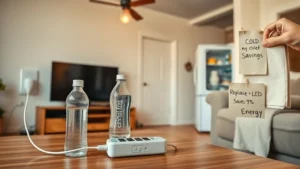
Phantom electricity is real. Unplugging appliances when they’re not in use can save you up to $100 a year on your electric bill — roughly $8 a month. Devices in standby may look off but still draw power when plugged in.
Power strips are an easy way to cut phantom loads — flip one switch and multiple items are disconnected.
Another tactic is to head outdoors: read in natural light instead of using a lamp, or take a walk rather than using the treadmill. Your mood, budget and the planet will all benefit.
5. Conserve Water
Two approaches can lower water costs — use less indoors and harvest it outdoors. Save water inside by turning off the tap while brushing your teeth or shaving, shutting off the shower while soaping, and running full loads in the dishwasher and washer. Outside, collect rainwater for watering plants, washing your car, and cleaning.
Check local regulations before collecting rainwater; some areas have rules or even incentives. With a rain barrel setup, you can save an average of $30–$60 monthly.
6. Cut Food Waste
The aim here echoes item 2: minimize food waste. Plan grocery trips to avoid impulse purchases you won’t eat in time, and never shop on an empty stomach.
Buying locally is another strong move. Fruits, vegetables and meats from a nearby farmers market travel less, which lowers environmental costs. Market prices can also be cheaper than big chains.
If you don’t have a farmers market, seek out roadside stands or family-run vendors. These small sellers often offer lower prices and fresh goods.
Follow these steps and you could shave about $100 off your grocery costs, while also aiding the environment — a clear two-for-one benefit.
7. Throw Greener Gatherings
During wedding and holiday seasons, it’s tempting to buy fresh wrapping and tissue for every gift, but that creates waste and expense.
Reuse brown paper or newsprint (the comics add color) instead of new wrapping paper. Keep gift bags and tissue to reuse. Small presents can be tucked into clean glass jars with wide mouths — another smart reuse idea.
Think beyond mainstream retailers when choosing gifts. Sustainable, thoughtful presents — homemade items, experiences, or reused packaging — cost less and are kinder to the planet.
8. Work From Home
Not everyone can do this, but if you can, remote work cuts costs for transportation, meals and work attire. If you’re trying to move into remote work, many environmentally minded companies hire for remote roles.
A 2022 FlexJobs survey found that remote workers reported saving an average of $6,000 a year. That’s a notable boost to both your finances and the environment.
9. Live Without a Car
With ride-share and public transit options, some people can go car-free or reduce to a one-car household and save roughly $5,000 a year if single. Public transportation is an economical travel option, though availability varies.
If safe bike lanes or sidewalks exist, cycling or walking can trim commuting costs by up to $2,000 a year.
10. Sell Unused Items
Turning unused items into cash is one of the simplest ways to earn extra money. If you love shopping for clothes, rotate your wardrobe and sell gently worn pieces for a tidy return. Use resale platforms like ThredUp and stop buying new when possible. Thrifting saves money and extends the life of garments, helping the planet.
Clothing isn’t the only resale category. Decluttr is popular for electronics, and apps like LetGo and OfferUp make it easy to sell almost anything.
Now Go Forth and Save (Money and the Environment)
These suggestions ask you to tweak some everyday habits. The encouraging part is that even adopting one or two changes can boost your finances while protecting the environment.
Contributor Mara Jensen writes about lifestyle topics from North Carolina.