
If you’ve been picturing leaving behind the noise and congestion of city life for the calm and self-reliance of off-grid living, you’re in good company. The idea of greeting mornings with fresh air and birdsong instead of blaring car horns and smoggy air is understandably appealing.
Though this way of life seems like an obvious choice for many, is it financially feasible? What are the startup expenses? We’ll outline the costs involved in making your home independent of public utilities to help you determine whether joining the ranks of off-gridders is right for you.
What Does It Mean to Live Off the Grid?
Being off the grid can mean different things to different people. For some, it’s a commitment to sustainability and lower consumption; for others, it’s a more radical separation from modern infrastructure. Generally, living off the grid means not relying on utility providers and instead meeting your own energy needs.
Two examples include drawing water from a nearby stream instead of buying bottled supplies, or installing solar arrays to produce electricity rather than drawing power from a municipal grid.
Costs to Consider Before Living Off the Grid
The expense of off-grid living varies depending on multiple factors. Tory Jon, founder of CamperFAQs and an outdoor specialist in camping and off-grid lifestyles, estimates people might spend anywhere from $500 to $2,000 monthly to live off-grid.
“The lower end assumes you’re almost completely self-sufficient for food and power; the higher end reflects a more modern, comfortable setup,” Jon explained.
Below are several costs to weigh when budgeting for off-grid life:
Land
Land purchase prices fluctuate, but the average acre prices across U.S. regions provide a ballpark of what you might pay:
- Connecticut: $13,700/acre
- Delaware: $9,800/acre
- Maine: $2,860/acre
- Maryland: $9,700/acre
- New York: $3,450/acre
- Michigan: $5,850/acre
- Kentucky: $4,350/acre
- Florida: $6,600/acre
- Arizona: $4,200/acre
- Colorado: $1,700/acre
- California: $12,000/acre
- Washington: $3,100/acre
- Texas: $2,650/acre
A common challenge many aspiring off-gridders face, Jon noted, is finding affordable parcels suitable for a single household.
“Lowest-priced land often sells in large tracts because owners prefer to develop or sell in bulk rather than parcel off small lots,” he said.
So if you see acreage advertised by the square mile, be cautious: you might not be able to purchase just the portion you want.
“If you’re searching for one to 10 acres in agriculturally productive states, expect to pay roughly $5,000 per acre,” Jon said.
Desert land may be less expensive, but converting it into a workable homestead can be tougher. Although sunlight is abundant for solar generation, lack of water, poor soil for growing food and minimal natural shading to keep structures cool can negate any initial savings.
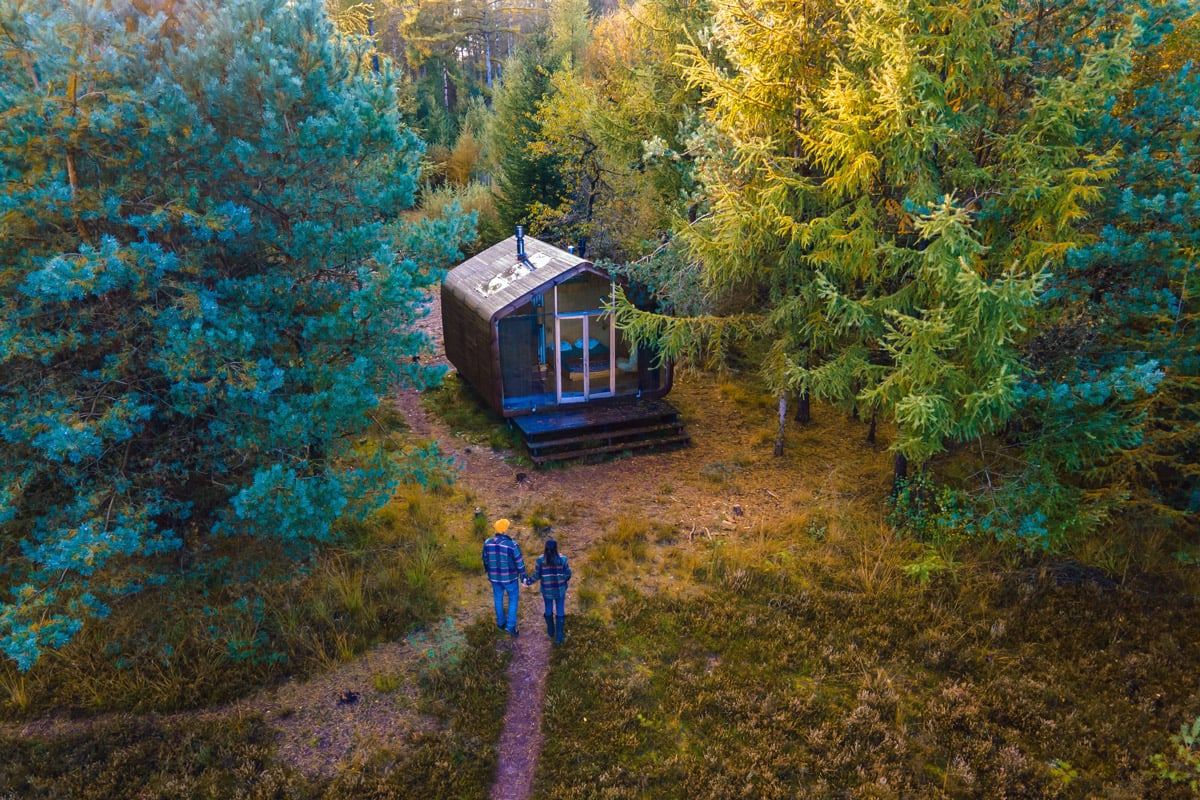
Housing
Off-grid life doesn’t necessarily mean living in a primitive tent. Here are a few housing approaches you can take:
1. Build Your Own Home
Jon says building your own dwelling can range from about $20,000 to $50,000 if you go with a typical tiny-home kit. Hiring contractors to construct a custom home can easily double those figures.
Paying cash for your off-grid build means no mortgage payments, but you’ll still owe property taxes. Taxes are based on the assessed value of both land and any structures.
Property tax rates differ by location but usually fall between 0.5% and 2%.
2. Purchase an Already Off-Grid Property
If constructing a house sounds daunting, explore the market for existing off-grid properties on real estate platforms like Zillow or Realtor.com. Choose a region you like, enter “off-grid” in keyword searches, and review available options.
Pre-built off-grid homes are often modest in amenities, but you can renovate interiors or landscapes to make them feel like home.
3. Buy a Van or Camper
If you enjoy mobility and want a greener lifestyle, living in a van or camper might be a practical step toward off-grid living. Prices vary widely by model and features, ranging from about $10,000 to more than $120,000.
Even budget models often need additional systems—septic, refrigeration, heating/cooling and cooking setups—that you may want to power with solar arrays, Jon noted.
Don’t forget fuel costs if you plan to drive into town periodically for water and septic servicing.

Electricity
Electricity is nearly indispensable today. For off-grid power, solar panels are a popular choice. After factoring in solar tax incentives, installing a typical residential solar array in the U.S. can cost between $11,000 and $14,000.
If your power needs are minimal, you can opt for a smaller system at a fraction of that cost.
Experienced off-gridder Danny Sattar shared he spent only $5,000 on a compact solar setup—under 2 kW—which was adequate to run a few small devices and charge a phone.
Water
There are multiple ways to secure water off the grid. Consider these options:
1. Dig a Well
Well drilling is an effective long-term water solution and can be cost-efficient over time. Depending on well type and soil conditions, hiring a professional can cost between $2,000 and $10,000.
2. Use Water from a Lake or Spring
Accessing surface water is often free, though it may require effort if sources are remote.
Check local regulations before collecting water from natural resources—some jurisdictions restrict or require permits to collect from lakes and springs.
3. Collect Rainwater
Rainwater harvesting is another cost-free option. Use large storage barrels and treat the water with a reliable purification and filtration system for drinking or cooking. Be mindful of state limits on how much rainwater you can legally collect.
Heat
Wood-burning stoves or fireplaces are common choices for heating off-grid homes. Sattar used a wood stove himself while living off-grid.
“Installing a wood stove costs between $1,500 and $3,000, and monthly expenses for firewood vary depending on the size of the space you’re heating,” Sattar advised.
Internet
While you might be tempted to unplug entirely, many people still need reliable internet for work or personal use.
If you have cell coverage, an unlimited mobile data plan plus using your phone’s personal hotspot can serve as a Wi-Fi source for other devices.
If you’re in range of satellite providers like Viasat or HughesNet, you can maintain connectivity for roughly $50 to $350 per month.

Alternatives to Taking Your Home Off Grid
Truthfully, going fully off the grid can be a significant financial burden.
“Though off-grid living can become inexpensive once you absorb the upfront expenses, initial costs can be quite high depending on location and needs—materials for construction, a greenhouse for food production, water treatment systems, and so on,” Jon said.
If you’re not ready to invest heavily, there are practical ways to incorporate off-grid ideals into your daily life without large upfront outlays. Here are some options:
1. Downsizing
Reducing your environmental impact doesn’t require abandoning modern conveniences. If rooms in your current home are rarely used, consider moving to a smaller dwelling.
Smaller homes mean lower utility bills—less electricity, heating and water usage—and require less cleaning time since there’s less square footage collecting dust.
2. Updating Your Appliances
You don’t have to relocate to start living greener. Swap older appliances for Energy Star or high-efficiency models that use less power and water. Replace halogen bulbs with LEDs to reduce energy consumption further.
3. Growing Your Own Food
Raising some of your own produce cuts your carbon footprint and reduces reliance on store-bought goods. Homegrown food often avoids chemical pesticides, and kitchen scraps can become compost to enrich soil.
Begin with the vegetables and herbs you know you’ll eat. If backyard space is limited, join a neighborhood community garden.
Should You Live Off the Grid?
So, what’s the bottom line? Should you leave city life behind and embrace an off-grid lifestyle? Ultimately, that’s a personal choice.
Living off the grid offers a closer connection to nature, greener habits and potential long-term savings. Although upfront costs can be steep, if your finances allow, the long-term advantages can be substantial and fulfilling.
Everyone’s circumstances, budgets and preferences differ—take time to assess whether going off the grid aligns with your goals.
Alex Mercer is a personal finance contributor who writes about budgeting, sustainable living, mortgages and more. His work has been featured in a variety of outlets, including Savinly, Chime and U.S. News & World Report.