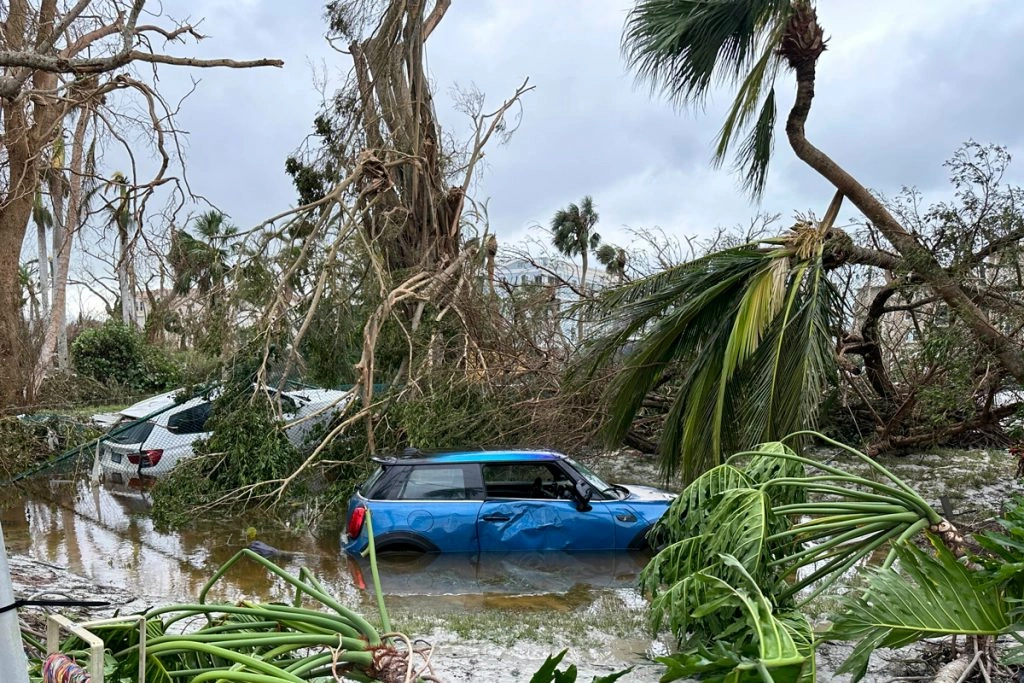
Leaving is the most reliable way to protect yourself when a hurricane approaches, but evacuation can be pricey.
More than half of Americans can’t handle an unexpected expense over $1,000, which means many people may be stuck in the hurricane’s path when officials issue mandatory evacuation notices.
How Much Will Evacuation Cost?
Estimates for hurricane evacuation expenses differ, but most coastal residents will pay roughly $1,200 to $5,000 to evacuate. The biggest factor driving that range is lodging — people who stay with relatives or friends spend far less than those who shelter in hotels.
So what makes evacuating for a hurricane or tropical storm so costly?
- Lodging (hotels or short-term rentals) is usually the single largest cost, especially if you must remain away from home for several days.
- Fuel prices often spike during hurricanes due to supply and demand, which compounds the burden amid already high gas costs.
- It’s almost always cheaper to prepare meals at home, but during an evacuation you may be eating out for every meal.
- Although salaried workers may keep getting paid and could do remote work, hourly employees who must be physically present can lose several days of wages. If their workplace remains closed afterward due to damage, that income loss could extend further.
No matter the expense, people in a hurricane’s path — especially those in areas vulnerable to flooding and storm surge — should follow mandatory evacuation orders.
If you lack emergency savings to cover evacuation costs, consider keeping an emergency credit card available to cover expenses when you and your loved ones are at risk.
When Does Hurricane Season Occur?
The Atlantic hurricane season runs from June 1 through November 30, with activity peaking from late August into September. Hawaii and the central Pacific share the June 1 to Nov. 30 window, though Pacific storms hitting the islands are uncommon.
As of early May, forecasts from The Weather Company and Atmospheric G2 indicate the 2024 Atlantic hurricane season could be among the busiest on record, predicting around 24 named storms and 11 hurricanes.
Southern states including Florida, Louisiana, Georgia, the Carolinas, Alabama, Mississippi and Texas are all at risk during hurricane season. Residents should be familiar with evacuation choices — knowing designated routes and having evacuation kits packed — before the season starts.
Mid-Atlantic and New England states can also experience hurricanes. For example, Hurricane Sandy in 2012 was the third-costliest U.S. storm and caused severe damage in places like New York City and the Jersey Shore.
Preparing to Evacuate for a Hurricane
Residents in vulnerable areas should have a clear evacuation plan. The National Weather Service advises people to learn their evacuation zone, map out evacuation routes (including alternatives), keep a go-bag packed and make arrangements for pets ahead of an emergency.
Know Your Evacuation Plan
States provide maps and guidance to help citizens prepare for disasters. For example, Florida offers resources to locate evacuation zones and routes via their online guide. These designations can change from year to year.

Use this information to write and print your own evacuation plan and keep it somewhere accessible — like on the fridge. Ensure every family member can access these instructions digitally and understands them well before any hurricane warning is issued.
Set Aside Funds (Including Cash)
If possible, build emergency savings during the off-season so you have funds to tap if evacuation becomes necessary. While a dedicated credit card for unexpected hotel stays is sensible, keep some cash on hand in case ATMs are down during power outages.
Assemble a Hurricane Evacuation Kit
Pack your emergency kit now so it’s ready at the first sign of a hurricane or tropical storm. FEMA suggests including:
- Bottled water
- Nonperishable food
- Flashlight and hand-crank radio (plus extra batteries)
- First-aid supplies, prescription medications and personal hygiene items
- Cell phone and charger
- Copies of important documents: government ID, passport, medical records, insurance policies, proof of address and birth certificates
Pay Attention to Evacuation Orders
If you can and feel it’s necessary, you don’t need to wait for official orders to leave. Still, always comply with mandatory evacuation directives.
If you haven’t been ordered to evacuate and are uncertain, weigh your home’s build and location. Newer homes constructed to current codes and equipped with hurricane shutters are often safer from high winds. If you’re not in danger of storm surge, experts often advise staying put. Doing so reserves hotels and shelters for people whose homes face flooding risk.
But if you live in an at-risk area, reside in a mobile home or are under a mandatory evacuation, depart as early as possible.
How to Evacuate on a Tight Budget
Having savings and mapped routes is straightforward if you can afford it. But what if you don’t have the money to prepare?
If you’re fleeing a hurricane without much cash, consider these cost-saving options:
Keep Fuel Available
Gas stations often raise prices during evacuations and fuel can be scarce. Planning can help you avoid high prices and the risk of running out.
Whenever you fill your tank, consider filling a gas can as well. If you don’t use it before an emergency, pour it into your car before your next fill-up and then refill the can. Here are some safe gasoline storage tips.
Stay With Friends or Family
If you have friends or relatives outside the storm’s path, ask to stay with them instead of booking a hotel. You may not need to drive far; often, moving a few dozen miles is enough to escape the worst of the storm. A nearby friend might be able to offer couch space.
Use an Emergency Credit Card
As a rule, only charge what you can repay monthly to avoid steep interest and long-term debt. But if a credit card is your only way out of harm’s way, use it. Be frugal: choose budget lodging and lower food costs by buying groceries instead of dining out.
Seek Alternative Lodging
Airbnb launched Open Homes in 2012 to encourage hosts to provide free temporary shelter during disasters; the program still operates. During an evacuation, see whether Open Homes or similar programs can provide free accommodations.
Social platforms like Facebook have also helped connect evacuees with hosts willing to open their homes. Staying with strangers carries risks, but when you have no other options, it’s worth considering.
Rotate Driving Duties
If you cannot afford a hotel and no one can host you, consider staying on the road. Share driving shifts with companions until you find a safe, legal place to rest — ideally a rest area if allowed. Compare the cost of gas to a hotel; for families, driving and resting in shifts may be cheaper than paying for lodging.
If You Can’t Afford to Evacuate
Not everyone has savings, a credit line, a vehicle or supportive friends and family during a hurricane. If you truly cannot afford to leave, what can you do?
Locate a Hurricane Shelter
Well before landfall, find a hurricane shelter. Coastal communities often designate emergency shelters for residents. Visit the Red Cross site to locate nearby shelters — many accept service animals and pets, though not all do, so check ahead.
If you lack transportation to a shelter, call local authorities on their non-emergency line for assistance. Acting early, before the storm arrives, improves your chance of receiving help.
Reach Out to Neighbors and Community
Social networks can be invaluable in emergencies. Neighborhood or city groups on social media are good places to request a ride to safety or to a shelter. Others in the community may already be offering help.
Shelter in Place
If evacuation orders are in effect, do everything possible to comply. If finances make evacuation impossible, you can shelter in place — but ensure you have what you need long before the storm arrives to keep your family safe.
Stock Up on Supplies
First, secure plenty of water. FEMA recommends 1 gallon per person per day for 14 days when sheltering at home. In coastal areas, keep bottled water on hand for drinking, cleaning, flushing toilets and washing.
Also store nonperishable food like trail mix, jerky, protein bars, peanut butter and bread. Avoid foods that require refrigeration or heating; power loss is likely.
Gather your medications, a first-aid kit, blankets, flashlights (with spare batteries) and an emergency battery-powered radio. These items should be part of a hurricane kit prepared before the season; the evacuation kit noted earlier can double as a shelter-in-place kit.
Prepare Your Home
Before strong winds and heavy rain arrive, clear your yard of loose debris and patio furniture that could become projectiles and damage windows or vehicles. Park cars in a secure spot; use a hurricane preparedness checklist for vehicles to help.
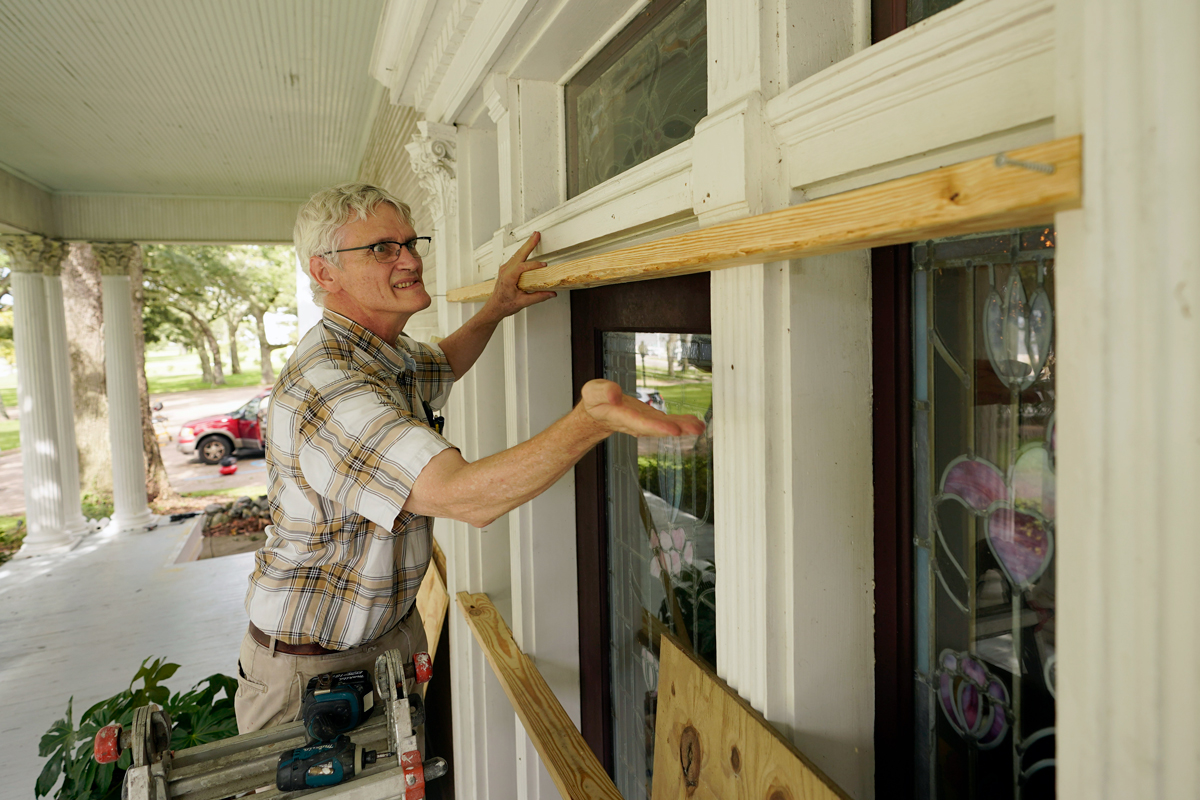
Board up windows and doors with plywood or storm shutters, and shut off utilities before the storm if advised.
Find a Safe Interior Spot
In a multistory residence, move to the highest occupied level to ride out the storm and stay away from windows. If possible, shelter in an interior room without windows that can fit your family while the storm passes.
After the storm, remain alert for emergency responders — it may be hours or days before help reaches your area.
Stay Indoors
It can be tempting to go outside after the storm, but hazards often remain. Watch for broken glass, downed power lines and standing water.
Standing water is particularly dangerous because it can conceal live wires, hazardous marine creatures and other threats. Wait for emergency crews or official clearance before venturing out.
Accessing Financial Help After a Hurricane
The federal government offers programs to help individuals and families affected by disasters, including hurricanes. You can apply for assistance through FEMA’s Individuals and Households Program (IHP).
Assistance may cover:
- Temporary housing if your home is uninhabitable (or approval for a temporary housing unit)
- Funds to repair or replace your home
- Hazard mitigation to make your home safer for future storms
- Other uninsured disaster-related expenses
Government aid is not the only avenue. Homeowners should review their insurance policies to determine coverage; after meeting a deductible, insurance typically helps pay for covered repairs.
Renters whose units become unlivable after a hurricane should check their renters insurance, which can help cover temporary housing costs while repairs are made.