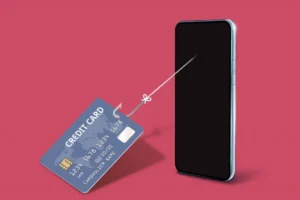
The chance of being targeted by a con or losing money to fraud is higher than many realize. The Federal Trade Commission recorded over 2.8 million consumer fraud complaints in 2021.
If you’ve been impacted by a scam, we’re here to guide you through the recovery steps, from locking down accounts to notifying the three major credit reporting agencies.
5 Steps to Take If You’re a Scam Victim
Being scammed stinks, but acting quickly can limit the harm that criminals can cause. What starts as a simple scam can escalate into full-blown identity theft if not addressed promptly.
Below is a practical, step-by-step checklist to follow if you discover you’ve been scammed.
1. Don’t Be Ashamed
Unless you’re walking around with your Social Security number and other private details plastered on your forehead, there’s no reason to feel embarrassed about being conned.
With so many incidents reported every year, the likelihood you (or someone you know) will fall victim is substantial. Consider the long list of common scams, including:
- Tech support
- Work-from-home opportunities
- Mystery shopping
- Medicare schemes
- College scholarship fraud
- Tax-related scams
- Scams targeting seniors
- Telemarketing scams
- Identity theft
- Impostor scams
- Email phishing
- Credit repair schemes
- Wedding-related fraud
Really — is there anything that can’t be twisted into a rip-off? Maybe kite flying or goldfish breeding are safe, but you never know. The point is, getting tricked happens to plenty of people, including those who report on cybersecurity for a living; even journalists get duped.
If you’re scammed, breathe and then start securing your bank and financial accounts right away.
2. Secure Your Bank Accounts and Cards
Contact every bank and card issuer tied to your accounts as soon as possible.
Call the number on the back of your credit or debit card or one listed on a recent statement. Explain the situation and follow their instructions to protect your account.
The earlier you call, the better chance you have of stopping additional fraudulent activity and safeguarding your funds and credit.
As an added benefit, if unauthorized charges appear later, it’s easier to dispute them because you’ve already alerted the issuer that you’re a scam victim.
3. Notify the Three Major Credit Bureaus
Next, reach out to the three big credit reporting companies to report the incident and reduce the risk of identity theft.
Request a fraud alert on your credit file. A fraud alert makes it harder for criminals to open accounts or increase credit in your name; creditors must verify your identity before approving new credit.
Fraud alerts are free and can last 90 days or up to seven years, depending on the type you select. You can contact each nationwide bureau via their website or by phone.
- TransUnion: 1-800-680-7289
- Experian: 1-888-397-3742
- Equifax: 1-888-766-0008
When you place an alert with one bureau, it is required to inform the other two, which saves you time. This is an effective way to be notified of suspicious activity on your credit report.
4. Update Your Passwords
If the scam occurred online, change your passwords immediately. This sounds obvious, but it’s easy to miss when you’re stressed. Acting quickly helps prevent your credentials from showing up on the dark web.
Create strong, unique passwords that aren’t easy to guess. If you need help tracking them, consider using a reputable password manager to keep everything organized and secure.
5. Report the Incident
Report the scam to the appropriate authorities. While catching the perpetrators can be difficult, reporting helps government agencies track scam trends and develop enforcement actions.
Besides filing a local police report, notify your state consumer protection office, the FBI’s Internet Crime Complaint Center, and other relevant agencies.
Per the Official Guide to Government Information and Services, “Although federal agencies seldom act on behalf of individuals, they use complaints to detect patterns of abuse that can prompt action against companies or industries.”
Use this directory to find your state’s Consumer Protection Office. The OGGIS also provides a detailed list of which federal agencies to contact depending on the scam type.
The FTC suggests victims of international scams or fraud originating outside the U.S. file a complaint with econsumer.gov. Be sure to file your local police report first, then submit complaints to federal or international sites.
If you want extra advice on which agencies to contact after being scammed or how to guard against identity theft, contact the Federal Trade Commission at 1-877-382-4357.
David Langford is a senior writer for Savinly covering consumer technology.
Emma Holden is a former staff reporter at Savinly.