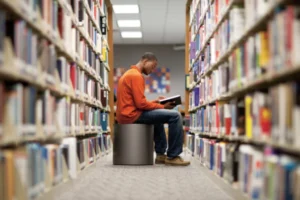
Those quiet, book-lined libraries of old have evolved. While books remain central, modern public libraries offer far more than just reading material.
Libraries strive to broaden access to knowledge and provide learning opportunities for everyone in their neighborhoods. Reading about how to build a bookshelf or learn guitar can only take you so far. To truly develop these abilities, hands-on practice with real tools and instruments is essential.
Many public libraries maintain a “Library of Things” inventory, which may feature anything from household gadgets to electronics and playthings. Some branches even invent playful names for their collections — take Clearwater Public Library in Florida, which affectionately dubs its assortment the “Thing-a-ma-brary.”
The best news? With a library card you can borrow many of these practical items at no cost. And if it’s been a while since you visited your library, getting a card is usually free in most municipalities.
Library funding and priorities differ widely, so your local branch might not stock every item mentioned here.
Always call ahead or consult your branch’s catalog to see what’s available.
Save Even More Beyond the Library Door
Public libraries circulate some surprisingly odd and helpful items beyond books. We’ll list those shortly, but if you’re looking for additional everyday ways to trim expenses, we’ve gathered some practical ideas. Explore some of our top money-saving suggestions below, and also remember to check out free library apps that can extend your access to resources.
27 Unusual Items You Might Borrow From Your Local Library
Here are some distinctive things you may find available to borrow through your public library.
Entertainment
Keeping the household entertained can get expensive fast. Your neighborhood branch may have free options to help.
1. Passes to Museums and Zoos
Many libraries lend free admission passes to local museums, zoos, state parks and similar attractions. These passes often cover the entire family, though some require a child under 18 to be included in the party.
Libraries typically have a limited number of passes and loan them on a first-come, first-served basis. They can be especially tough to obtain during school breaks and summer months.
2. Streaming Services
Move over Netflix and Prime — a few library-connected streaming platforms are available to borrowers at no cost.
Services like Kanopy and Hoopla are accessible through many libraries. The only requirement is that you sign up for a library card to start streaming.
3. Board Games
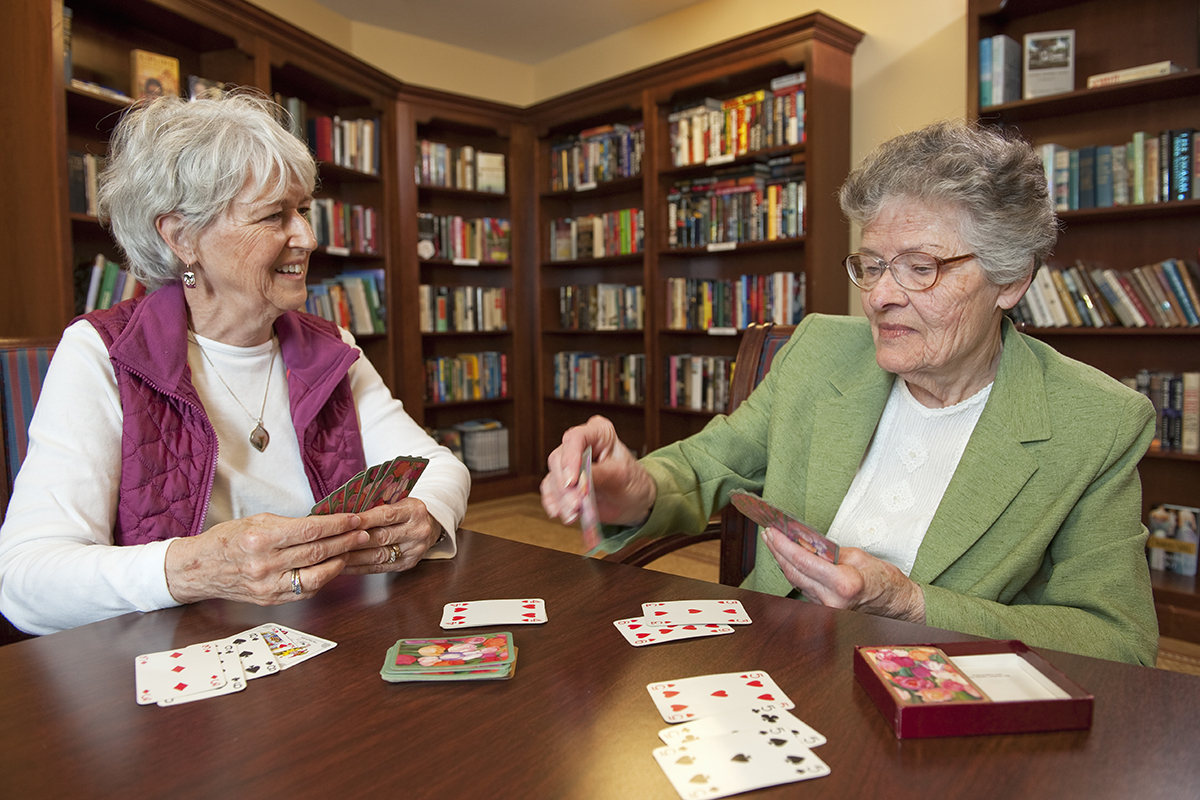
Want to try the latest board game without splurging $15 or more? Many libraries lend board games.
Borrowing games temporarily keeps game night fresh without the expense and lets you test new titles before deciding whether to buy. If a game doesn’t become a favorite, you won’t have wasted money.
You can also polish skills with timeless games like Scrabble and Monopoly.
4. Video Games
Swap a trip to the game store for the library and save on your favorite titles.
Libraries often carry games for consoles like PlayStation, Xbox and Switch, and some even loan discs compatible with VR setups.
5. Puzzles
Puzzles are relaxing and therapeutic, but once finished they often end up collecting dust — and the cost can be $11 to $20.
Save money by borrowing puzzles from the library instead of buying them outright.
Toys
Toys can be pricey, especially in-demand or brand-name items. Public libraries can help reduce that cost.
6. Sensory Toys
Individual sensory toys aren’t necessarily expensive, but children benefit from repeated sensory experiences as they grow. Public libraries and the children’s librarians who staff them are valuable sources for free playthings that support cognitive development.
7. American Girl Dolls
Unwilling to spend over $100 on a doll? Some libraries lend American Girl dolls, though these programs are uncommon and usually highly sought after, with rentals typically limited to a week. A few programs include journals that track the doll’s travels.
Examples include the Arlington Public Library in Virginia, which runs an American Girl Lending Program, and the Fountaindale Public Library in Illinois.
Some dolls arrive via private donations; others are contributed by the manufacturer.
8. Legos
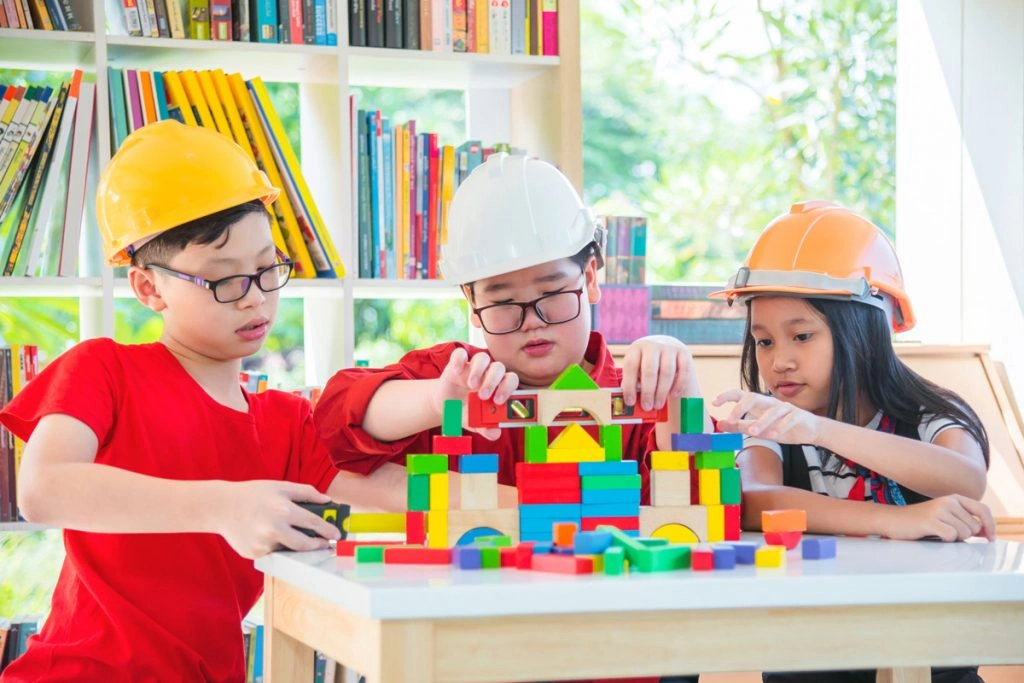
Legos enhance problem-solving and fine motor skills, but their price can be a downside. Borrowing Lego sets from the library lets kids reap the developmental benefits without the expense.
9. Robots
Robot kits and toy robots can be costly, and a budding coder or engineer may need more than one to stay engaged. Fortunately, robots are commonly included in libraries’ “things” collections.
For instance, robot and robot kit loans are available at places like the Winona Public Library in Minnesota, the Milton Public Library in Massachusetts, and Denver Public Library’s IdeaLab, where you can even build your own.
Educational
Aspiring engineers, musicians or scientists who don’t want to invest hundreds in gear can frequently borrow instruments and tools from their local libraries.
10. Telescopes, Microscopes and Binoculars
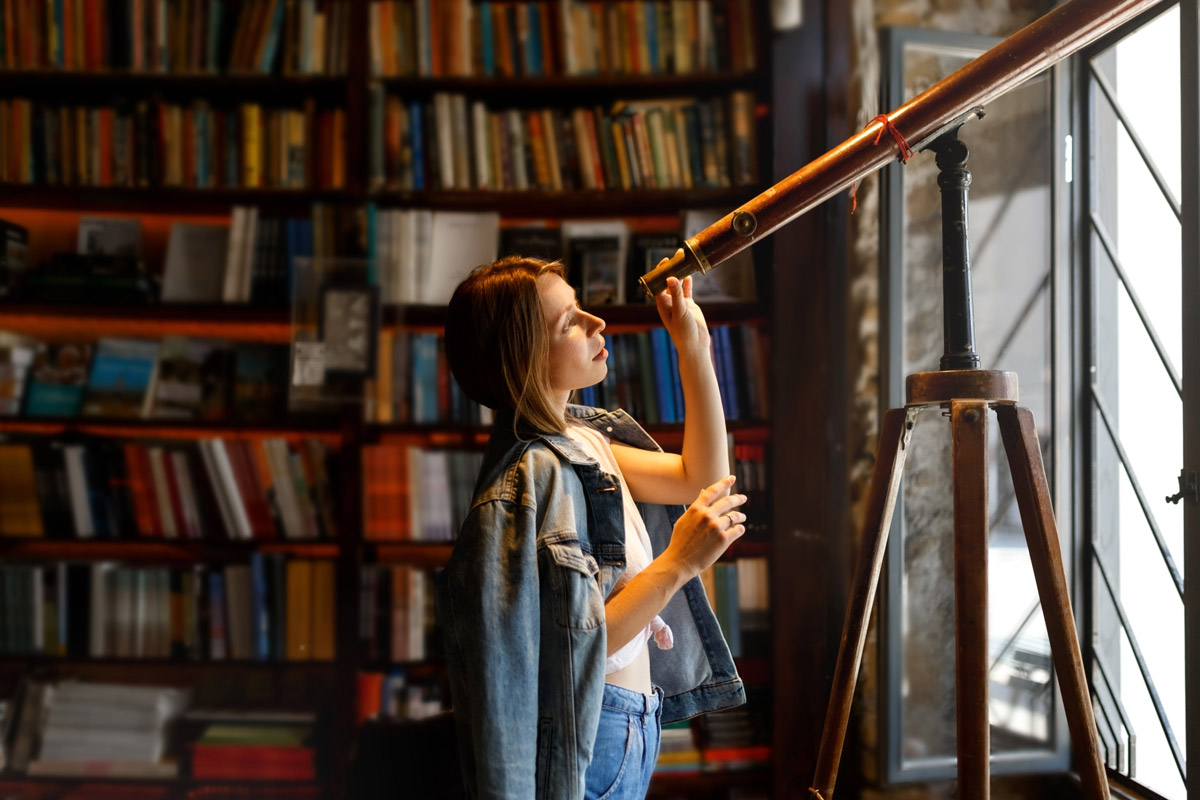
Many libraries loan scientific instruments such as microscopes, binoculars, meters, globes and even anatomical skeletons.
“Sometimes you need tools in order to do cool science projects,” Celeste Choate, associate director for services, collections and access in Ann Arbor, Michigan, told USA Today when the library began circulating science equipment. “Not everybody can afford a pH meter.”
11. Musical Instruments
Libraries loan a broad array of instruments — banjos, guitars, electric keyboards and more.
The Ann Arbor Library maintains a diverse and sometimes quirky instrument collection, including items like an LSDJ Game Boy (a modified Game Boy used to make music), Otamatones and Boomwhackers.
Some libraries, such as the Seattle Public Library, also offer reservable practice rooms where you can make as much noise as necessary while learning.
12. Graphing Calculators
When students reach algebra and beyond, graphing calculators often become necessary. Instead of purchasing one for around $100, consider borrowing one from your library.
Home and Auto
For one-off DIY jobs or themed baking projects that require a specialized tool or pan you’ll rarely use, borrow rather than buy.
13. Hammers, Drills and Rakes
Many libraries keep basic tool kits, while others — like the Oakland Public Library — maintain collections exceeding 5,000 tools, books and instructional DVDs for loan.
Tool lending programs also exist outside the public library system in some communities.
14. Cake Pans
Want to make a Darth Vader, Elmo or T-rex cake without purchasing a specialty pan? Numerous libraries keep extensive cake pan collections. This is more common than you might expect.
Examples include Keokuk, Iowa, and North Haven Memorial Library in Connecticut, both of which lend cake pans:
If you have an upcoming theme party, it’s worth calling your local branch to ask about cake pans.
15. Air Fryers
Surprisingly, some libraries lend air fryers.
This is a great way to try the appliance before committing to a purchase. Just make sure to return it clean so the next borrower and your librarian appreciate you.
16. Jumper Cables
Jumper cables are handy but seldom used. Instead of buying a set you’ll rarely need, borrow a pair from your library — assuming you can get there to pick them up.
Recreation and Wellness
Try a new outdoor activity or pursue fitness goals with gear loaned by your library.
17. Disc Golf
With more than 6,000 disc golf courses in the U.S., the sport is an affordable afternoon activity — if you have the discs and accessories. Many libraries lend disc golf gear to get you started.
18. Bike Locks
Though affordable to buy, bike locks are sometimes available to borrow from libraries if you suddenly need one and don’t want to spend $5–$12.
Given concerns about bike theft, libraries offering locks are a community-minded resource.
19. Pedometers
Health organizations and insurers sometimes donate pedometers to libraries to encourage participation in wellness programs. See if your library offers them.
While you’re checking, explore your library’s audiobook collection. Many libraries use services such as Overdrive, letting you download audiobooks that automatically expire at the end of the lending term.
20. Light Therapy Lamps
Why spend roughly $50 on a lamp you only use seasonally? Some branches, like the Madison Public Library in Wisconsin and Bellingham Public Library in Washington, lend light therapy lamps to help combat seasonal mood dips.
Technology and Electronics
These tech items are often essential but pricey — and libraries can be a smart way to access them affordably.
21. Wi-Fi Hotspots
Skipping home internet can cut costs, but if you work from home or are job hunting, access matters. While libraries provide public computers, those are only available during open hours.
Some libraries now lend Wi-Fi hotspots to patrons. The New York Public Library, for example, lends hotspots to patrons without home internet for six months, intended for those who cannot afford connectivity. Other systems, including libraries in Chicago and Seattle, loan hotspots for shorter terms, like three weeks.
22. Tablet Computers
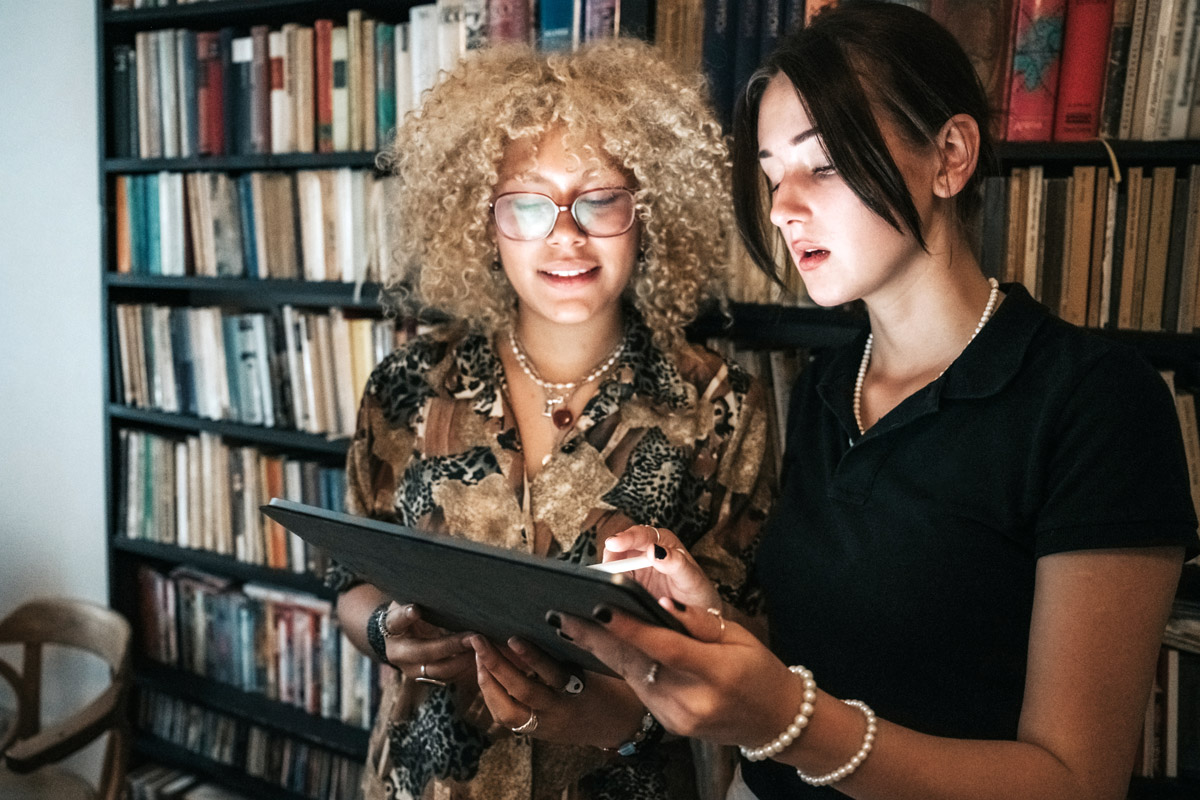
Borrowing a tablet can save a substantial amount. If you need temporary tech for a project or for children to use, check out a tablet from the library for portable convenience at no cost.
23. 3D Printing Pens
3D pens are not just fun for kids; they’re useful for creating artistic and functional projects for adults, too. Think of them as a hot glue gun leveled up — and check one out from the library to experiment.
Arts and Crafts
Craft stores can be tempting — but before you buy supplies you’ll only use once, see what your library carries.
24. Rubber Stamps
Durable and versatile, rubber stamps are a common Library of Things item. They act like transferable emojis for craft projects and come in shapes from letters to animals and flowers.
When you need tangible icons for decorating, try borrowing stamps instead of buying new ones.
25. Sewing Patterns
Sewing patterns for garments or soft toys can cost $16 to $30 apiece. Unless you’ll use a pattern regularly, that may not be worth the outlay.
If you own a sewing machine, borrow patterns from the library and stitch up clothing or toys without the upfront expense of purchasing each pattern.
26. Art Supplies
Art-making can be costly. Check your local branch for items like paintbrushes, easels, pottery wheels and sewing machines. At the Newton Free Library in Massachusetts, for example, you can borrow knitting needles, crochet hooks and a weaving loom.
Some libraries, like Paul Sawyier Public Library in Frankfort, Kentucky, provide complete tiny art kits containing everything you need to create a finished piece.
27. Framed Art
Art enthusiasts on a budget can enjoy a rotating collection of framed pieces at home thanks to library lending. Libraries such as the Nashville Public Library and Bexley Public Library offer circulating fine art collections.
How to Borrow Smartly
- Get a library card. Without one, you won’t be able to access these items. Get signed up!
- Learn the rules. Library of Things collections and lending policies vary by branch, so check what your library specifically offers.
- Place a hold. These unusual items are often in demand. Ask if you can place a hold or join a waiting list.
- Be patient. Even with a reservation, waits can be long — sometimes stretching months.
- Arrive early. Popular items may not accept holds, so the best tactic for scoring a sought-after museum pass is to be first through the doors when the library opens.
- Return items on time. Nothing is truly free if you incur late fees. Overdue fines for Library of Things items may be steeper than those for books or DVDs. Verify the lending period — often different from books — and return everything as scheduled.