
Furnishing a new place can be exciting and let you show off your style… but it can also be pricey. That sticker shock is especially daunting if you’re a young adult or a college student moving out for the first time.
Luckily, there are plenty of ways to buy pre-owned furniture, and opting for used items can save you a ton of cash. (For example: I managed to outfit my whole apartment for under $1,000, largely by using Craigslist.)
But as great as bargains can be, secondhand furniture sometimes feels like a roll of the dice. The last thing you want is to waste money on something that falls apart quickly… or worse, brings unwanted six-legged visitors into your home.
We talked to a handful of resale-savvy pros to get practical advice on what to seek — and what to steer clear of — when shopping for used furnishings.
5 Tips for Buying Used Furniture
1. Compare Your Options
The hunt for used furniture has been reshaped by the web. Alongside traditional outlets like thrift stores and curbside finds, there are also online marketplaces to explore.
Don’t get us wrong — you can score incredible bargains buying directly from an owner. But that route can also present risks, and you won’t have the same protections a business might offer.
Items at a consignment shop have often been inspected before they hit the floor, giving you an extra layer of assurance against a dud.
However, they typically cost more than stuff you’ll find elsewhere. Due to steep commission arrangements with sellers, consignment prices tend to be higher, says Andrew Zell, who formerly worked for junk removal service JDog Junk Removal and Hauling. Zell notes that while pieces may be discounted over time, they’re sometimes removed from sale before reaching a price that “serious bargain hunters would consider reasonable.”
Fortunately, there are other in-person alternatives for preloved furniture seekers.
“Shop estate sales, flea markets and secondhand shops,” recommends Darcy Segura, a Dallas-based vintage furniture picker and reseller. “It’s no secret that midcentury modern pieces and décor are in demand these days, so those sales and shops often offer well-built furniture at fair prices,” she says.
2. Inspect All Soft Items for Pests — Not Just Mattresses

Most people know bedbugs can hide in used mattresses. But they also nest in other upholstered pieces, including couches and even dining chairs.
Alexander Crawley, an entomology consultant for London-based Fantastic Pest Control, urges buyers to carefully examine potential purchases, even if the seller seems honest. “It’s entirely possible for someone not to realize a piece is infested and then sell it to you.”
“Look for dark stains or tiny eggshell-like specks along seams,” he advises. “Check every crevice, including the back of the furniture. Inspect the joints and all shadowed areas.”
Because bedbugs can survive and remain dormant for extended stretches between meals (ugh), a piece stored away for a while isn’t guaranteed pest-free. And even if a quick once-over reveals nothing, Crawley says, “keep checking periodically for any signs of infestation.”
Yikes.
Besides bedbugs, upholstered furniture can harbor fleas, carpet beetles and dust mites, all notoriously hard to eradicate. So if you have any doubts about the cleanliness of an item, pass on it.
3. Heads Up: Wood Pieces Can Be Infested, Too

It’s logical to expect pests in cushions, but insects are adaptable.
For example, wood furniture is a favorite habitat for powderpost beetles — particularly hardwoods often used in furniture like walnut, oak, hickory and maple.
Unlike bedbugs or fleas, powderpost beetles seldom bite people or pets. But they can reduce an attractive wooden piece to powder. If your home is built of wood, an unmanaged infestation could even threaten structural elements.
When evaluating a desk or table, watch for telltale clues. The most obvious sign of powderpost activity is clusters of tiny exit holes, about 1/32 to 1/16 of an inch across, often surrounded by fine wood dust.
4. Mind the Material

Whether buying new or preloved, some materials simply outlast others. While a flimsy particle-board dresser might be fine if you built it yourself, when buying secondhand the construction matters.
“Don’t fall for today’s imitations,” Segura warns — a maxim she follows while thrifting. Those particle-board pieces may look nice, but they’re not made to endure.
Often, older items trump newer ones. After all, particle board didn’t become common until the 1950s.
“I’ve come across pieces that are 70 years old that, while they may need some refinishing, are as sturdy as ever,” Segura says. “Those are my best finds.”
Certain woods are inherently tougher. Teak, for instance, has long been prized in Southeast Asian furniture — not only for its look and strength, but also for its natural oils and silica that resist water, mildew, fungi and stains, says Fariz Zakka of Indonesian supplier Posteak Furniture.
Other hardwoods — ash, beech, birch, cherry, mahogany, oak and walnut — enjoy solid reputations for durability, notes Zell — and consequently tend to command higher prices. So if you spot a quality piece for a low price, snag it! You might also find good bargains by checking deals on furniture and learning how to save money used appliances to stretch your budget further.
5. Inspect Details Closely
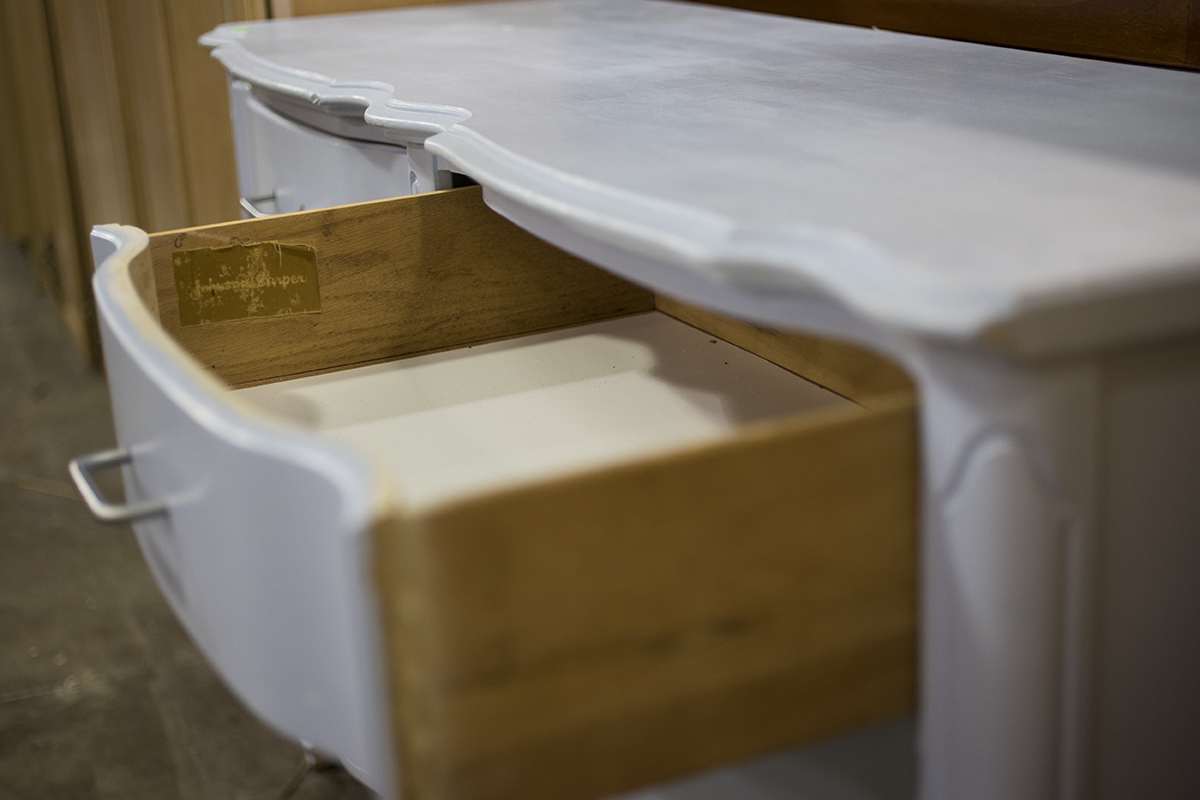
When hunting for a good deal on a used piece, small details matter — both to avoid pests and to judge construction quality.
For example, many well-made vintage wood pieces use dovetail joints rather than nails or simple fasteners. It’s worth scrutinizing seams, since corners and joints are “more likely to reveal rot and other damage,” Segura says.
Another mark of higher-end dressers or desks? A maker’s name, often found on the left interior side of the top drawer in quality furniture, Zell notes. Look for “a stamped logo from the company that designed, developed and assembled the piece.” Sometimes that information appears on a brass plate. A label not only helps you spot well-made furniture quickly, but also lets you research the manufacturer’s reputation online.
By shopping around, inspecting items carefully, and knowing what materials and signs to watch for, you can furnish your place affordably without bringing home unwanted problems. Happy thrifting!