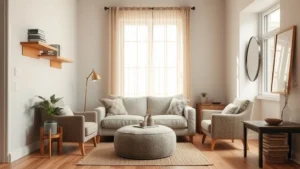
When I moved into a house this summer, my first major task was picking out a sectional sofa.
I had a clear picture in my head. I wanted teal velvet upholstery to complement my planned decor and an L-shaped layout so two people could stretch out separately while watching TV.
But as I began browsing online, I was stunned by the price tags. In furniture shopping it felt like there were two camps: retailers like Amazon and Wayfair, where you can sometimes score a couch or bed frame for $300 to $400, or higher-end chains such as West Elm and Crate & Barrel, where most large pieces top $1,000.
Yes, stores run promotions, but they typically peak around 20 to 30 percent off. That eases the sting a bit, but not completely. I ultimately purchased a slightly discounted custom sectional from West Elm and rationalized it as an investment.
There’s a reason I call it an investment. Buying furniture isn’t the same as purchasing clothing or a car — its worth doesn’t plummet the moment you bring it home. You can take furniture with you to any residence. And if you decide to part with it, you can usually recoup some of the expense by reselling on platforms like Facebook Marketplace and Nextdoor.
That said, there are ways to save upfront while still getting quality pieces. Here are the strategies I used.
Shop the Outlets
Many furniture brands operate outlet stores, including one you might not expect: Anthropologie.
Anthropologie launched its first (and to date only) home outlet in Pittsburgh in fall 2019, according to thePittsburgh Business Times. The outlet now schedules virtual appointments.
How does it work? First, email [email protected] to book an appointment. In my experience, they reply fairly quickly with a 30-minute slot and ask if there are specific types of pieces you’re hunting for.
At your appointment, you’ll join a Zoom with an employee who will walk you through the inventory. If certain items catch your eye, they’ll pause to answer questions about price, measurements and details. This is likely the most affordable way to buy new Anthropologie home goods, but there’s a caveat. The best bargains tend to be on imperfect items, ranging from a fabric stain to a nicked wooden surface.
The downside of shopping virtually is they don’t provide shipping. During my session I didn’t fall for anything, so I didn’t explore delivery options. But the outlet does suggest local third-party movers.
My top tip: monitor their Instagram story @anthro_homeoutlet if you’re furniture-hunting. Their outlet is excellent if you want to overhaul your aesthetic since they carry a broad assortment.
Another excellent source for discounted home goods is HomeGoods, part of the same family as T.J. Maxx and Marshalls. Inventory varies by location, but they frequently have stylish furniture and décor at bargain prices, plus small accents to finish a room.
I also scout clearance areas at department stores like Macy’s and Nordstrom. Macy’s, for instance, has a Last Act section for steeply reduced items — you won’t usually find sofas or bed frames there, but you can almost always score dishes, curtains, throw pillows and other home accessories at deep discounts.
Mix High and Low
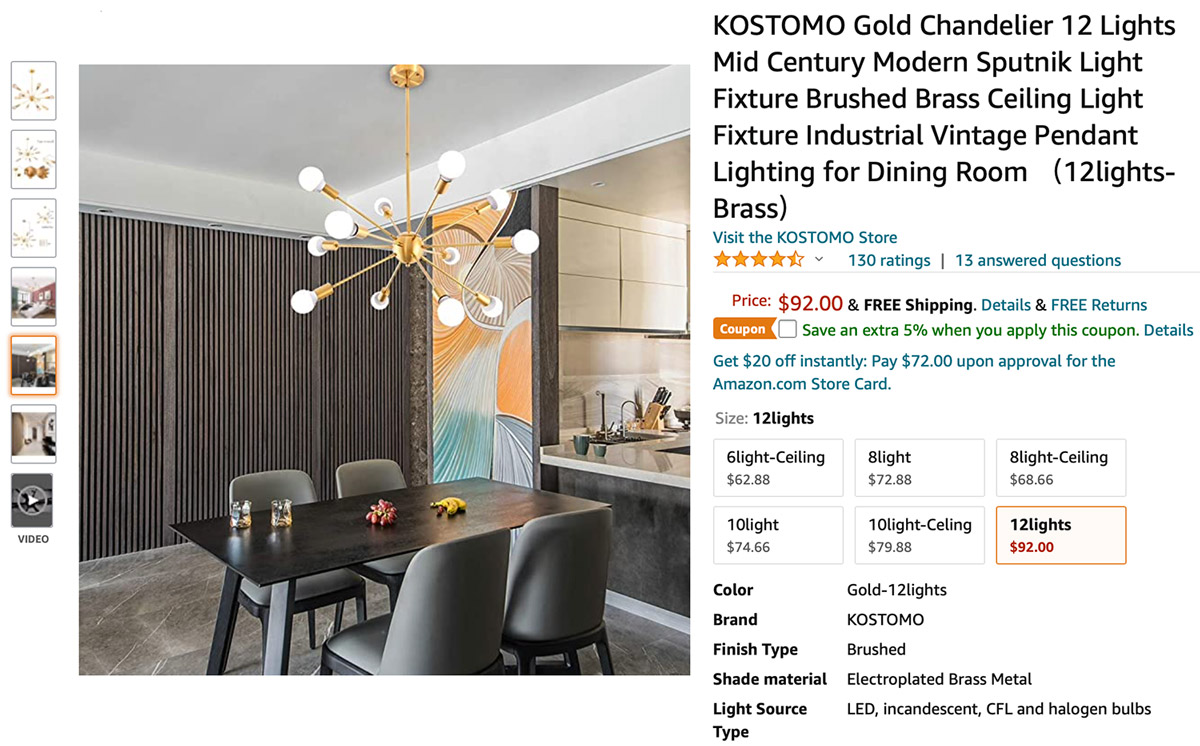
I knew I wanted to replace the chandelier over my dining table. It looked like ornate crystal but was really plastic. I had a specific vibe in mind: a Sputnik-style fixture, an orb with radiating spokes.
I searched “gold Sputnik chandelier” on Amazon and found a $92 option that I loved.
I adore how it elevates the dining area without costing a fortune. When deciding what to splurge on, think about what matters most to you. Do you prioritize comfort or appearance? Do you treat furniture as everyday utility or collectible art?
For me, having the look I wanted in a light fixture was worth opting for a less artisanal piece.
A practical tip: when hunting for items like light fixtures or larger furniture online, be as precise as possible. I work from a “dream item,” the exact look I covet but can’t afford, then search using more general descriptors to find similar, budget-friendly versions.
If you prefer seeing pieces in-person without spending top dollar, retailers like Target and Walmart are good options. Many of these stores partner with celebrity designers or well-known personalities, such as Chip and Joanna Gaines and Drew Barrymore, to create collections that mimic high-end looks at a fraction of the cost.
Buy Vintage, Then Rework It
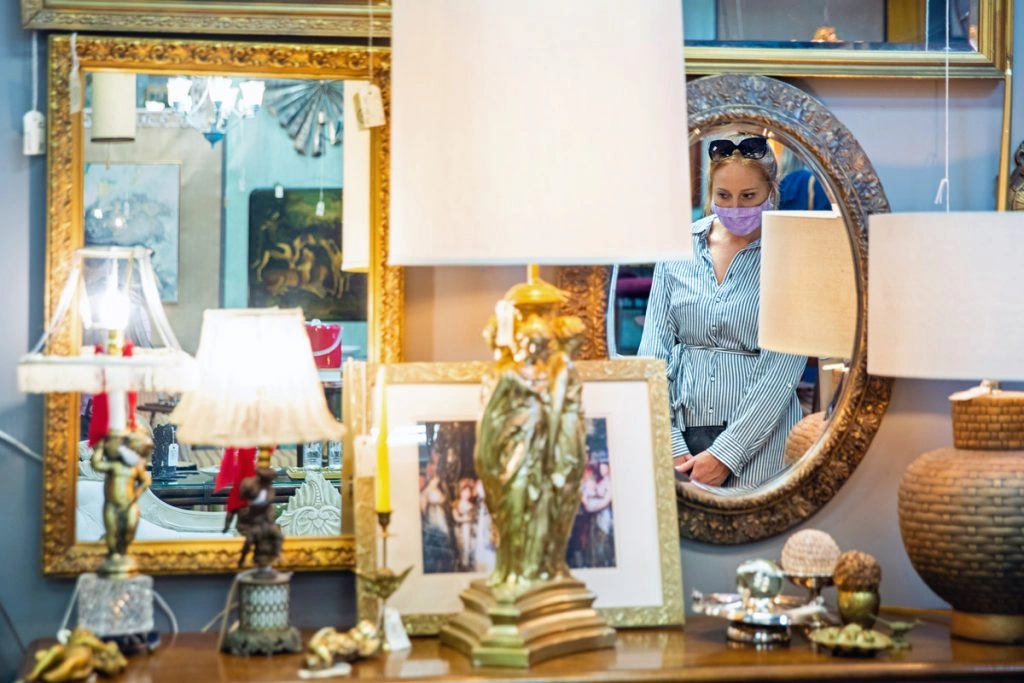
If you want to save and still get well-made furniture, vintage is your best bet. It’s eco-friendly and you’ll often discover unique pieces for much less than new equivalents.
For the best insights on vintage finds, I turned to Paul Donofrio, owner of St. Petersburg’s Vintage Marché, a monthly market showcasing vintage furniture from many vendors.
His advice: stay vigilant and be prepared to buy when a great piece turns up unexpectedly.

On design, Donofrio lives by the rule: “if it’s on stilts, it will sell.” That translates to seeking furniture with tapered, midcentury legs — what he playfully calls “ice cream legs.”
Overall, Donofrio believes good design endures. If you find a form you love but dislike certain elements — say, a dark wood dresser or a mustard couch — you can reupholster, stain or refinish the piece to suit your taste. With mid-century items, those updates can even enhance the resale value.