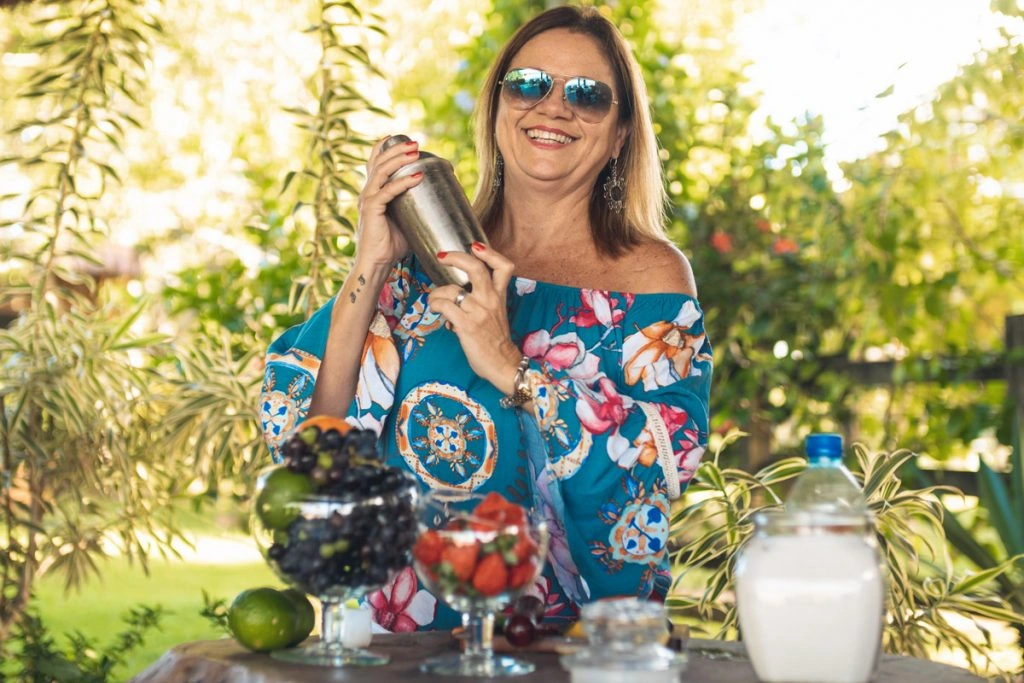
For cocktail lovers, mixing drinks at home can quickly become an expensive hobby. While it’s certainly cheaper to craft your own cocktails than to frequent bars, maintaining a supply of spirits to play bartender can add up.
Experienced bartenders say the key to saving cash when creating a home bar is to plan before you purchase a slew of bottles. Likeshopping for groceries on an empty stomach, wandering the liquor aisles without a list can lead to overspending.
Make money management simpler. Sign up for Savinly’s newsletter today.
What’s the Price Tag on Stocking a Home Bar?
The expense of assembling a well-rounded home bar varies greatly based on what you already possess. If you’re starting fresh, a modest home bar should cost roughly $250 to $500, depending on your preferred spirits.
How does that stack up against typical alcohol spending? The U.S. Bureau of Labor Statistics Consumer Expenditure Survey indicates consumers averaged $637 on alcohol in 2023, an increase of $54 from 2022. Spending spikes during holidays and among younger adults who drink more frequently.
Elliott Clark, founder of Apartment Bartender, comforts cocktail fans by noting that many mixed drinks need only three to five ingredients.
“The priciest component is the base spirit, and it doesn’t have to be costly,” Clark said. “Spirits in the $20 to $35 range work great for home cocktail making.”
How To Stock a Home Bar Without Overspending
Starting with a clear goal helps when deciding what to buy for your bar and what to leave behind. There are two main strategies to stock a home bar affordably.
If you’re new to home bartending…
It’s wise to sample a few cocktails before committing to which bottles to purchase for your home bar.
“There are several paths you can take to stock a home bar,” Clark suggests. “The simplest — and most economical — approach is to fill your bar with what you actually enjoy drinking.”
If gin and tonics are your go-to, pick up a couple of gin varieties, quality tonic water and some citrus or herbs for garnish. If you prefer old-fashioneds, focus on aromatic bitters, bourbon and rye, plus sugar cubes or simple syrup to start.
If you’re stocking (or restocking) a home bar for a gathering…
Choose a range of spirits that cover the essentials for several classic cocktails. To be current, Liquor.com lists the most popular U.S. cocktails as the bourbon-based old-fashioned, the Manhattan, margaritas, Long Island iced teas and various martini styles.
Related: Best Budgeting Apps to Get Your Finances Together in 2024
Stock Your Home Bar in 5 Simple Steps
Need a roadmap to assemble the ideal home bar or prepare your bar cart for an upcoming event? Follow these tips from seasoned bartenders.
Step 1: Equip Yourself With the Right Tools
“Having the proper tools makes mixing cocktails at home much easier,” Clark said.
Here are the bar tools professionals recommend for home cocktail crafting.
Cocktail shaker
Saeed “Hawk” House, bartender, bar consultant and founder of Cocktails by Hawk, notes the cocktail shaker is the heart of any bar setup.
“After working behind the bar for a decade and trying many shaker types, I recommend the metal-on-metal Boston shaker,” House insists. “It’s reliable, which is why professional bartenders favor it.”
Hawthorne strainer
This strainer rests atop a shaker (or mixing glass) and keeps ice, herbs, pulp and other solids out of your drink. Hawthorne strainers have tight coils that make straining efficient.
If your shaker has a built-in strainer, you might skip a Hawthorne. Still, it’s a worthwhile long-term buy for your home bar or cart.
Jigger
Many bar items are optional, but House warns a jigger isn’t one of them.
“Cocktail recipes include precise measurements for a reason,” he explains. “Each drink is balanced. To preserve that balance, you need to measure correctly.”
If you’re in a bind, note that a tablespoon equals half an ounce. The small side of a jigger is typically one ounce, and the larger side about two ounces.
Bar spoon
Long-handled spoons are useful for stirring and light muddling. They’re inexpensive, so there’s little reason not to have one. If you don’t have a muddler, improvise with a slender wooden spoon or a reusable metal straw.
Read on: 50 Easy Ways You Could Make Extra Money This Month
Step 2: Buy These Core Spirits
Starting a bar from scratch? House recommends acquiring one bottle of each of these seven spirits:
- Vodka
- Gin (London Dry or similar)
- Rum (dark, light, or white)
- Tequila
- Bourbon
- Single-malt scotch
- Cognac
If you want to slim the list, Clark of Apartment Bartender suggests selecting four to five bottles split between aged spirits (like bourbon and reposado tequila) and unaged ones (like gin and vodka).
How much should you allocate per bottle?
“I’d recommend about $150 to $200 total as a solid starting investment,” Clark explains.
That comes to roughly $30 to $50 per bottle.
Step 3: Add Essential Mixers
Not everyone enjoys sipping tequila neat. Fortunately, you can boost flavors in your cocktails with a few simple fridge staples:
- Simple syrup
- Fresh lemon and lime juice
- Fresh juices (apple, orange, or tomato)
- Club soda or tonic water
- Sodas (ginger beer, cola, etc.)
- Sparkling wine (optional)
Keep in mind simple syrup is just sugar and water, and many bars flavor it with herbs for twists on classics.
Bitters are another essential; they cost a bit upfront but last ages. House recommends keeping Peychaud’s, Angostura and orange bitters on hand.
Step 4: Garnish From What’s Fresh
Garnishes significantly influence a cocktail’s taste. Luckily, most garnishes are edible, inexpensive and easy to find.
Common garnishes to stock include citrus (limes, lemons, oranges) and herbs like rosemary or mint. Cinnamon sticks and grated nutmeg work well for seasonal drinks.
Keep salt and sugar for rimming glasses, and consider a small cutting board, a sharp knife and a juicer to elevate your setup.
Step 5: Consider a Few Liqueurs or Aperitifs (Optional)
If your budget allows, expand your collection with a handful of liqueurs or aperitifs. House suggests branching out into a few versatile bottles.
“I recommend stocking Cointreau, Campari, Aperol, an Amaro and an absinthe you enjoy,” he said. “You can also add seasonal choices like allspice dram, elderflower or melon liqueur as desired.”
Scan your favorite drinks and buy one bottle representing that profile — Triple Sec, Grand Marnier or a seasonal option like Peppermint Schnapps are good picks.
A Note on Glassware
While having matching glassware is nice, you don’t need an entire set of martini or Collins glasses. A home bar mainly needs some wine glasses, at least one highball for taller cocktails and a few rocks or lowball glasses.
More: 100+ Places That Will Give You Free Stuff on Your Birthday
Save Money When Building Your Home Bar
Yearning for a robust lineup of quality bottles but on a tight budget? Don’t panic. House recommends a strategy of balancing splurge and save by owning two bottles of certain spirits.
“My approach to balancing cost with quality is simple: splurge on what you love to drink at home,” House explains. “I typically keep two bottles of each core spirit.
One bottle serves as the cocktail bottle (my go-to for mixing), while the other is reserved for neat pours or on the rocks (my premium bottle). When hosting, use the cocktail bottle; for special guests, offer something from the top-shelf bottle.”
Next time friends stop by, don’t immediately reach for that trusty bottle of red. As you broaden your home bar over time, you’ll discover a mix of spirits that pleases both visitorsandyour wallet.
More from Savinly:
- The 5 Top Apps for Saving Money in 2025
- 31 Ways to Make Money Online & From Home in 2025
- 5 Strategies to Consolidate Your Credit Card Debt
Jordan Ellis is a former senior writer with Savinly.