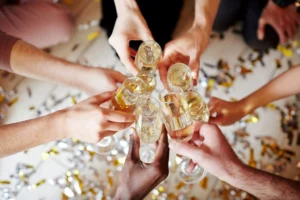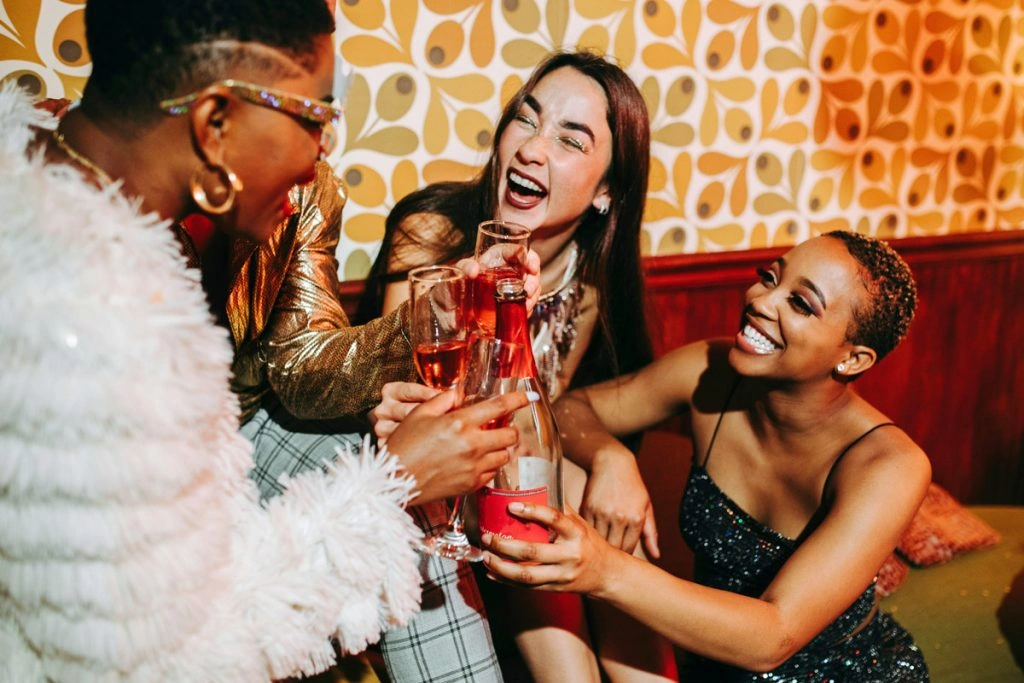
The classic New Year’s ritual typically includes a countdown, a kiss and a flute of sparkling wine. Two of those are free, and the third doesn’t have to cost a fortune to be just right.
Knowing the varieties of sparkling wine makes it easier to decide what to pick up to welcome 2025 — or mark any special moment.
For the top picks in cheap champagne, consult this roundup and celebrate withoutbreaking the bank.
Top Affordable Sparkling Wines for $15 or Less
We put together ten sparkling wines that make toasting in the New Year both delightful and budget-friendly. We include links to buy them online, though you might also find them — or ask your local liquor store to order them. First, a quick primer.
Champagne vs. Sparkling Wine
True Champagne originates from the Champagne region in France, which is why other producers can’t use that name on their labels. French Champagne is produced from specific varieties like Pinot Noir, Pinot Meunier and Chardonnay, among others.
Everything else bubbly is technically sparkling wine. All Champagne is sparkling wine, but not all sparkling wine qualifies as Champagne. Both styles involve particular pressing techniques and a second fermentation that forms the bubbles.
Fortunately, sparkling wine doesn’t need to be pricey to feel festive.
Four Styles of Sparkling Wine to Try
There isn’t any true Champagne on this list—those bottles run$30 or more per bottle. But regular sparkling wines can be wonderfully satisfying for regular wine drinkers and occasional celebrants alike.
Below are four types of sparkling wine to consider as approachable, affordable alternatives to Champagne.
1. Prosecco
Prosecco is a widely recognized sparkling wine from northeastern Italy, named after a small village near Trieste. It’s more affordable than Champagne because its secondary fermentation is done in large tanks before bottling, whereas Champagne undergoes that second fermentation inside each bottle. Prosecco often leans sweeter on the palate.
Two main styles exist: spumante, which is fully bubbly, and frizzante, which offers lighter, gentler effervescence.
2. Sparkling Rosé
Rosé is made from dark-skinned grapes with limited skin contact, producing color but not a full red wine. Winemakers may macerate red grapes briefly or blend them in. Sparkling rosé is fermented in a sealed vessel so the carbon dioxide remains trapped and creates bubbles.
Many California sparkling rosés use Pinot Noir, though producers also blend various red-skinned varieties. Sparkling rosé ranges from sweet to dry.
3. Cava
Spain’s method for making cava resembles the Champagne technique by performing the second fermentation in the bottle. One reason cava is less costly is the use of machinery to rotate and tip bottles during aging; in Champagne this is often done by hand.
Cava can mimic the robust character of Champagne but generally costs less due to shorter production timelines. It usually falls on the drier, or brut, end of the spectrum.
4. Crémant
Crémant is a French sparkling wine produced outside the Champagne region using similar methods. Producers must follow strict rules for a wine to earn the crémant label. It tends to be a touch cheaper than Champagne while still involving many of the same hands-on techniques.
Key Sparkling Wine Terms
Knowing a few terms that describe sweetness helps when selecting bubbly — sugar is adjusted during production to shape the final taste.
- Brut denotes the driest style, with brut zero containing no added sugar. Brut typically has just a few grams of sugar per glass and pairs well with food.
- Extra dry follows. Contrary to what the name might suggest, extra dry is slightly sweeter than brut, roughly three-quarters of a teaspoon of sugar per glass, making it a good match for appetizers and light meals.
- Demi-sec is a noticeably sweeter sparkling wine often served with desserts, with about a teaspoon of sugar per glass.
- Doux is for those who prefer very sweet sparkling wines.
Champagne-Style Sparkling Wines Worth Trying
Genuine Champagnes from France are too expensive for our $15 cap. These selections emulate the elegance and balance of Champagne at a fraction of the cost.
1. Bouvet Signature Brut
This French brut is crisp and dry, suitable with hors d’oeuvres or on its own. Notes of nectarine and peach come through on the palate.
Price:$13.95Empire Wine
2. Domaine Saint Vincent Brut
With a traditional profile, it opens with green apple and finishes citrusy — the quintessential brut experience without aggressive acidity.
Price:$14.99 ABC Fine Wine and Spirits
3. Korbel Extra Dry
If brut feels too austere, Korbel Extra Dry offers a lighter, crisp alternative that’s both affordable and easy to enjoy. It’s one of the most recognizable budget-friendly Champagne-style sparklers.
Price:$11.97Total Wine, $14Korbel
Prosecco
Prosecco, an Italian sparkling wine, pairs wonderfully with appetizers and is a friendly choice for toasting. These three varietals perform well for celebrations and casual sipping alike.
4. La Marca Prosecco
That familiar sky-blue label signals a lively gathering. La Marca is a top budget-friendly sparkler — you might want a couple of bottles since it’s quite drinkable.
Price:$12.97 Total Wine
5. Fascino Organic Prosecco NV
Fascino produces a frizzante-style prosecco with light, ticklish bubbles and fruity notes. It’s organic and a blend of vintages, which helps keep the price accessible while maintaining quality.
Price:$12.89 Best Buy Liquors, $14.99 Stirling Fine Wines
6. Mionetto Prosecco di Treviso Brut
This consistently well-rated prosecco offers subtle tropical fruit flavors and a silky, creamy texture. It’s less sweet than many traditional proseccos.
Price:$15 Wine Searcher
Sparkling Rosé
If classic French styles aren’t your preference, consider a sparkling rosé. California producers often rely on Pinot Noir for their rosés, though other makers use mixed red varieties. Our budget picks here hail from Chile and Oregon.
7. Cono Sur Sparkling Pinot Noir Rosé
This is one of the best-value champagne alternatives and arguably the top sparkling rosé on our list. Chile’s favorable climate and cost-effective production yield pronounced berry flavors and lively bubbles that mellow quickly.
Price:$10 Wine-Searcher
8. Del Rio Vineyard Estate Jolee Rosé
This demi-sec rosé offers a creamy, citrusy and tropical profile that feels far more luxurious than its price tag. Oregon producers balance sweetness and acidity for a well-rounded sip.
Price: $15 Del Rio Vineyard Estates
Cava
Cava is Spain’s sparkling wine and generally leans drier than many French Champagnes.
9. Loxarel Saniger Penedes Brut Reserva 2016
This is an intriguing find — the Spanish producer employs organic and biodynamic techniques, blending tradition with modern viticulture. It’s a terrific choice for New Year’s festivities.
Price:$13.97 PJ Wine
10. Segura Viudas Aria Estate Brut Cava
Crafted using long-standing cava methods, this fruity, lively cava complements seafood and cheeses and performs beautifully for the midnight toast and kiss. It’s refreshing and closely resembles brut Champagne in character.
Price:$12.99 Wine.com
How to Elevate Your Sparkling Wine Experience
Whether raising a toast on New Year’s Eve or treating yourself midweek, a few details can enhance your Champagne or sparkling wine moment.
- Choose the right glassware.Using a flute can make an inexpensive bubbly seem more refined — even more so than an expensive cuvée. “People like stemless glasses because they won’t tip over,” says Paul Mulder of Total Wine & More. “They can reduce the presentation, though. Champagne flutes help concentrate the bubbles.”
- Avoid using good bubbly in cocktails.We advise against using a high-quality Champagne in mimosas since orange juice can mask its nuances. Any of the sparklers on this list are suitable for sparkling cocktails.
- But do make sparkling cocktails.Mulder praises the flexibility of sparkling wine in mixed drinks. He suggests a Bacio del Limone — limoncello blended with prosecco and fresh berries. It’s an excellent way to enjoy an economical bottle.
Contributor JoEllen Schilke writes on lifestyle and culture. She formerly owned a coffee shop in St. Petersburg, Florida, and hosted an arts program on WMNF community radio for many years. Senior writer Robert Bruce and freelancer Adam Palasciano also contributed.