What I need to take:
- Clothes
- TV/PS4/Games/Computer/Roku
- Meds
- Toiletries
- Iron & Ironing Board
- NutriBullet, slow cooker, egg slicer, salad spinner, bundt cake pan 9X13 with lid, Tupperware
Kyle Hollingsworth studies the whiteboard. His gaze moves across the hurriedly scrawled items, then shifts to the rest of his room.
It’s Tuesday, July 25. He’s rented this room in a quiet suburban Orlando, Florida home since January 2016, after moving from South Florida by himself.
The room runs him $450 a month — a bargain compared with other local options. Still, that expense is keeping him from his most urgent financial aim: amassing enough funds for the first operation that will assist his transition from female to male on Nov. 16.
He ran the numbers; relocating from this house to a free room at a friend’s would let him save the extra $4,225 he needs. If he comes up short, he’ll have to put the surgery on a credit card.
A few empty Staples boxes sit near his closet. He insists his short checklist contains everything he’ll require.
“It’s crazy,” Kyle says. “I didn’t think it would ever come down to this. But honestly, this changes everything.”

The Shockingly High Costs of Physically Transitioning
Kyle launched a GoFundMe campaign in April to finance his upcoming “top surgery,” where a surgeon will remove his breasts and sculpt a male chest. This will be his first gender reassignment surgery.
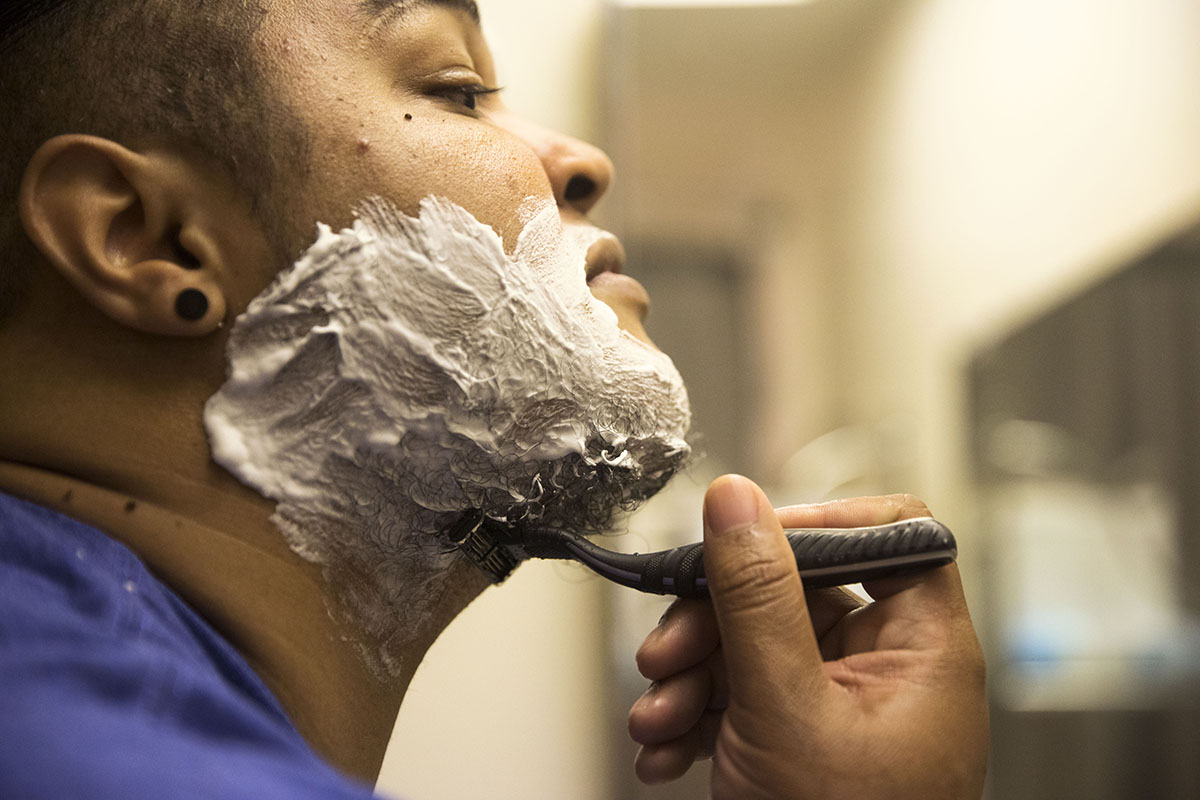
He’d been on hormone therapy for less than a year when he made the video, yet a dark beard already traced his jaw. Dressed in a pale blue Tommy Hilfiger polo and with his hair tied in a tight bun, he explained why the operation was necessary.
“When your outside doesn’t match your inside, it can be brutal,” Kyle said in the video. “It can seriously be brutal.”
The campaign pulled in $1,845 in just two months from friends and anonymous backers.
But in this July moment, his fundraiser is stuck — it’s been almost 17 days since anyone donated.
The American Society of Plastic Surgeons reports that 3,256 gender reassignment procedures — covering chest, facial and genital surgeries — were performed in 2016, a 19% rise over the previous year.
Some insurers categorize sex reassignment operations, also called gender confirmation procedures, as cosmetic and therefore exclude them from coverage. That frequently forces patients like Kyle to pay out of pocket. Combined hospital and surgeon fees for his top surgery total $8,125.

Still, for Kyle, the price is worth it.
“I feel very blessed,” he says. “I don’t know how I lucked out to be in the position I’m in with the people around me.”
As a child, Kyle longed to be a boy but wasn’t. He felt betrayed by himself, his female body, even by God — feelings he couldn’t explain, having never encountered a transgender man.
At 28 he saw Aydian Dowling, a bodybuilder, activist and vlogger, compete to be the first transgender man on the cover of Men’s Health.
Until that point, he didn’t realize female-to-male transition was achievable.
“I feel like only in the last two to three years have female-to-male trans people become visible,” Kyle says. “Before, it was mostly male-to-female — that’s all you saw.”
His feelings finally clicked — he’d been born the wrong gender. About a month after recognizing this, his then-wife filed for divorce for unrelated reasons.
The costs of transitioning extend beyond surgery.
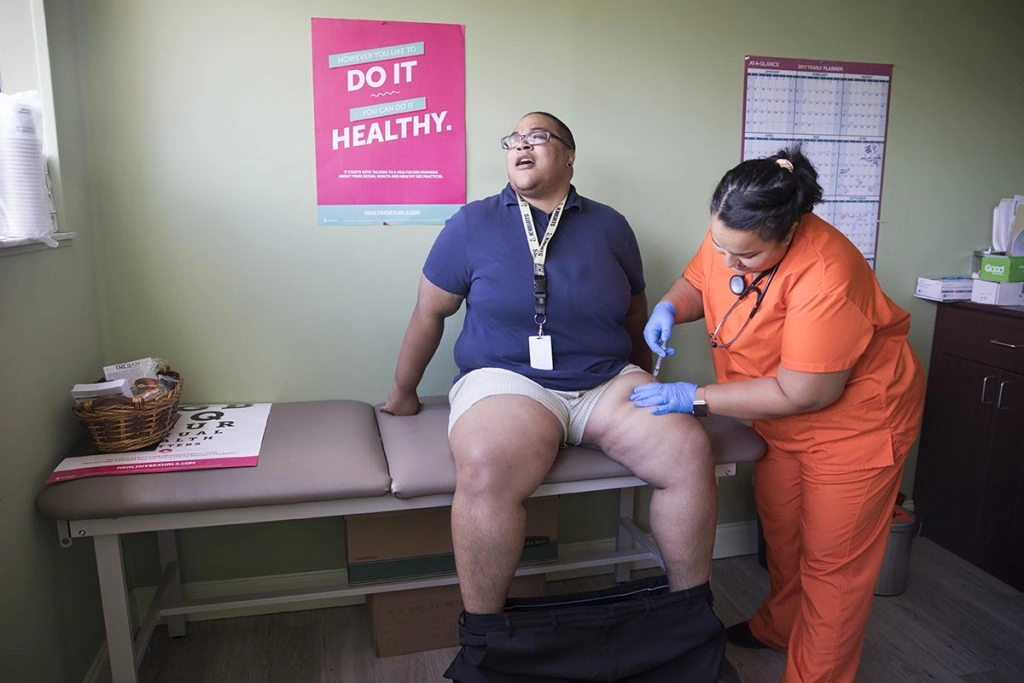
Some transgender individuals opt for lifelong hormone therapy. Lately, Kyle’s insurer began covering most of his hormone treatment, so his copay could drop to roughly $5 per vial. Depending on the hormones and delivery method (shots, pills or gel), annual hormone costs can reach up to $1,500 a year.
To get hormones, Kyle needed a psychiatrist’s letter; she required four sessions at $70 each before she would provide documentation that he’d had the appropriate clinical care.
Then, she charged an additional $70 just to write the letter.

What Happens When You Can’t Afford to Physically Transition?
Kyle acknowledges his situation is relatively fortunate. He has stable employment and friends prepared to help.
Yet the steep expenses of transitioning push many people to seek cheaper options.
Often, those options are illegal and can endanger lives.

When Tia Milan, now 33, bought hormones illegally as a teen, she knew the contents might not be as advertised. At the time, medical care for those transitioning wasn’t widely accessible.
“There’s a risk with everything you do in your life,” she says. “But you have to live. And I wanted to live how I felt inside, so I was willing to risk anything.”
Tia didn’t suffer serious side effects from the illegal hormones, but she didn’t know she should also have been taking testosterone blockers. As a result, her emotions intensified; she found herself crying at stoplights or even while watching certain commercials.

Tia eventually obtained insurance through the Affordable Care Act (Obamacare), enabling her to legally access the care she needs, including hormones.
For those hunting affordable body modifications like surgery, the stakes can be even higher.
Taliyah Cassadine, 35, a trans woman from Atlanta who has performed as a female impersonator most of her adult life, competed in pageants but kept finishing as first runner-up. That pressure pushed her to transition so she could finally win.
She met with several plastic surgeons about top surgery beginning in 2006; when they learned she was transgender, they immediately hiked their prices by thousands, she says. Sometimes they simply stopped returning her calls.
So she turned to an illegitimate provider known as a “pump doctor” for silicone injections. Compared with the thousands a legitimate surgeon would charge, she paid only $300 per session for roughly five sessions.
Taliyah later underwent a double mastectomy after seeking help for complications from those injections. She works six or seven days a week to save for the final removal of remaining silicone.
The problem with pump doctors is their injections are often part silicone. According to LiveScience, common fillers include cement, tire sealant and mineral oils. While silicone itself is hazardous, these additives can travel to internal organs and cause organ failure.
Taliyah began feeling ill: she couldn’t walk long distances because of chronic fatigue and her work suffered. Her temperature sometimes spiked to dangerous levels of 103–104°F. Between 2008 and 2015 she was hospitalized at least once a year, and doctors struggled to determine the cause even after she disclosed seeing a pump doctor.
Ultimately, a CT scan revealed her injections were endangering her life.
She located a surgeon in Fort Lauderdale and had a double mastectomy that cost $9,000.
Taliyah became Miss Black Trans International 2016 and now advocates for safe transition practices. Her “Say NO 2 Silicone Injections” campaign sought to educate about the dangers of these injections. She established a grant to help transgender women pursue healthy, safe transitions.
“I learned the hard way that our struggles have reasons,” Taliyah says. “If you don’t turn an issue into something positive, you’ve wasted an opportunity.”
Aug. 11: The Countdown Begins

Kyle’s new room is strewn with his things — clothes hang over the bedframe and an overflowing laundry basket sits between dresser and bed. This room is much smaller than the one he left just weeks earlier, and he still hasn’t finished unpacking.
Sitting on the living room sofa, he scrolls his GoFundMe page and smiles. Over the weekend, an anonymous donor contributed $885. That, paired with his own savings, has him on track to surpass his surgeon-fee goal. With that gift, he believes he can cover hospital costs himself.
His family hasn’t donated yet, but he hopes they will before the fundraiser ends. He blames his family’s “weird money habits” for their hesitation. Largely, his family has been supportive throughout his transition.
After top surgery, he plans to use the financial habits he’s developed — like opening a savings account and not touching it — to start saving for his own home.
Following that, he wants to begin saving for bottom surgery, recognizing it will take longer because of its high price tag.

For now, he’s thrilled that his appearance will soon match how he wants to look. With the financial hurdle cleared, his main challenge is losing 11 pounds before surgery— a goal he’s confident he can meet.
He walks to the driveway and asks the date, pulling his phone from his back pocket. It’s Aug. 11.
“You know what? I just realized I’m past the 100-day mark,” he says. “There’s only 97 days until my surgery!”
He studies the countdown app on his phone and adjusts his glasses.
“Sh*t is getting real now,” he says. “I’m so ready.”