It’s easy to see why fast fashion has exploded in popularity over recent years. Trends move faster than ever and everyday essentials are getting pricier, so it makes sense to grab something fashionable for a bargain — especially when you don’t know how long that trend will last. On top of that, higher-quality garments typically cost far more. If you’re ready to curb your fast fashion purchases (or dramatically reduce them), here are practical steps to help you make the switch.
Make managing money simpler. Subscribe to Savinly’s newsletter today.
The Real Costs of Fast Fashion
At first I assumed the worst part of fast fashion was simply that the garments wore out quickly because of inferior fabrics. But the issue runs deeper, is more nuanced and can even be troubling. The documentary “Buy Now: The Shopping Conspiracy” on Netflix explores this subject in depth. While it goes beyond just clothing, the film includes interviews with former employees of major corporations like Amazon, Adidas and Apple.
They confirm what many suspect — corporations do everything they can to drive increased purchases and boost profits. The result is staggering amounts of waste worldwide. The Guardian reported that up to 40% of apparel made each year never reaches consumers, and synthetic fabrics such as polyester and nylon can persist for centuries before decomposing. We also must acknowledge that this industry frequently depends on exploited labor. Ever wonder how a shirt from Temu can be priced at $3? It typically relies on the cheapest materials and the lowest-paid workers possible.
More From Savinly:Our Picks for The Best Budget Apps for Couples
Practical Ways to Stop Buying Fast Fashion
Stopping your fast fashion purchases sounds straightforward, but it’s more difficult in practice. These brands are everywhere. To cut back, you need to recognize what counts as fast fashion and identify alternatives to buy. I’m still learning too, so here are tactics that have worked for me and how to put them into action.
More From Savinly:The 6 Best No Annual Fee Credit Cards of 2025
Recognize What Qualifies as Fast Fashion
Brands like Shein often receive much of the criticism for the fast fashion boom — and they certainly play a major role — but the model isn’t new. The New York Times coined the phrase in the 1990s to describe Zara’s approach: designing and shipping pieces to stores within just two weeks. Zara remains a prominent fast fashion contender. (Full disclosure: I’m trying to buy less fast fashion, yet one of my favorite coats came from Zara.)
Other brands commonly associated with this model include Old Navy, H&M, Uniqlo, Gap (yeah, that stings), Fashion Nova and many others. Nowadays, companies rarely label themselves “fast fashion,” since the term carries negative connotations. It’s somewhat subjective, but broadly it means businesses that churn out inexpensive, trend-driven apparel at breakneck speed.
More From Savinly:50 Easy Ways You Could Make Extra Money This Month
Buy Secondhand
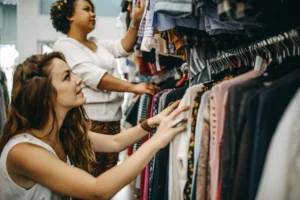
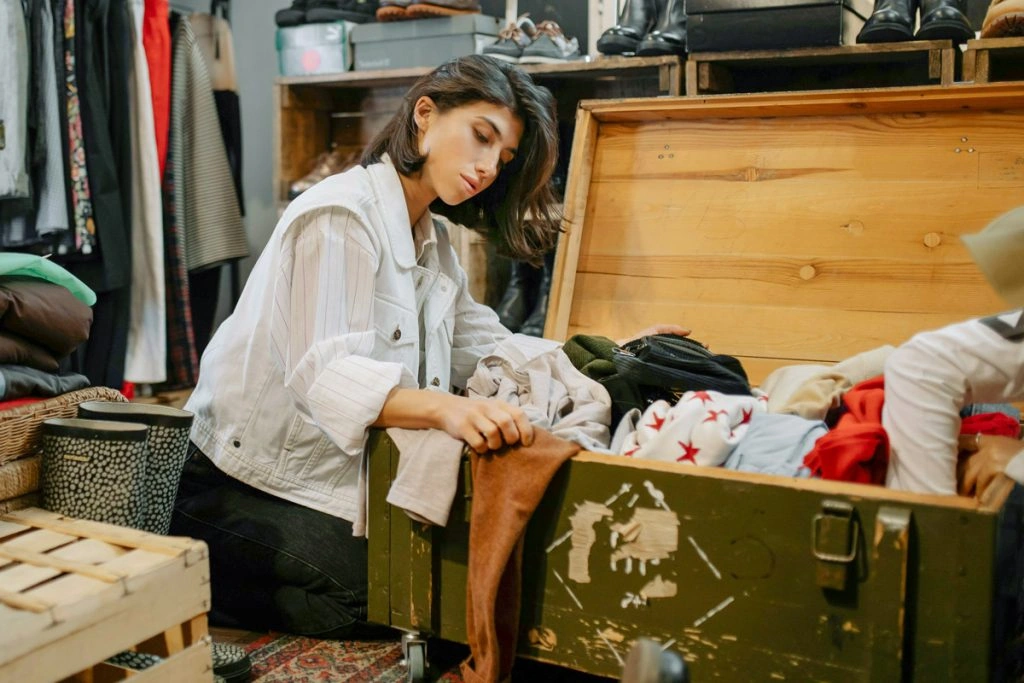
If you love hunting thrift shop finds like I do, this approach will feel natural. But some people are hesitant about used clothing because it requires time, effort and patience to find the right piece. Items may not be pristine, and locating a specific item — say, a crewneck sweatshirt for your favorite team in your size — can be a matter of luck.
Still, the extra sweat equity is worth it. You might need to rifle through a lot of garments in your size to discover a gem, but the payoff can be big.
Online resale platforms such as ThredUP, Depop and Poshmark can also make this easier. We also offer tips on selling your used clothes online so you can earn money while helping others build a more sustainable wardrobe.
It’s important to distinguish between most thrift stores and vintage boutiques. Thrift stores and estate or yard sales tend to be more budget-friendly. Vintage shops, on the other hand, curate handpicked, stylish pieces — often well cared for — and usually won’t be the cheapest option, but they’re great for finding high-quality coats or standout items.
More From Savinly:Ditch Overpriced Car Insurance Now — Save $500 Today
Learn Simple Clothing Repairs
If you still wear beloved pieces from fast fashion labels, hold onto them. Extending a garment’s life is a key part of sustainability. Learning to sew on buttons, patch holes or perform visible mending to alter a garment’s look can significantly prolong its usefulness. We have a beginner’s guide to visible mending to help you start saving your clothes from the landfill.
More From Savinly:100+ Places That Will Give You Free Stuff on Your Birthday
Choose Items That Last
If you don’t already, start checking the fabric content before buying. When you must purchase from a fast fashion outlet, prioritize pieces made from cotton, hemp or linen — natural fibers that break down more readily. Polyester is ubiquitous in fast fashion because it’s cheap, wrinkle-resistant and easy to care for, but its non-biodegradable nature means it accumulates in landfills and the environment. Nylon and acrylic have similar drawbacks.
Some garments blend natural and synthetic fibers, so be mindful of the composition when possible.
More From Savinly:8 Ways Savvy Shoppers Are Outsmarting Inflation at the Grocery Store
Quitting Fast Fashion Is Tough — But Doable
Should the responsibility for ending fast fashion fall on corporations that profit wildly from it? Absolutely. I also understand that affordable fast fashion is the only viable option for many people — these brands are accessible everywhere. Plus, purchasing higher-quality items requires not just money but knowledge about proper care. Anyone who’s had a genuine leather jacket cleaned knows it’s an expensive errand.
Until companies are held accountable for their production and more brands prioritize lasting quality, our best tool is informed decision-making. Choose durable and secondhand pieces when possible, learn basic repairs for what you already own and think twice before chasing every new trend.
More From Savinly:
- The 5 Top Apps for Saving Money in 2025
- Free Baby Stuff for Expecting Mothers in 2025 (38 Freebies & Deals!)
- What is Debt Consolidation — And Should I Consider It?
Kendall Harper is senior editor of freelance at Savinly.