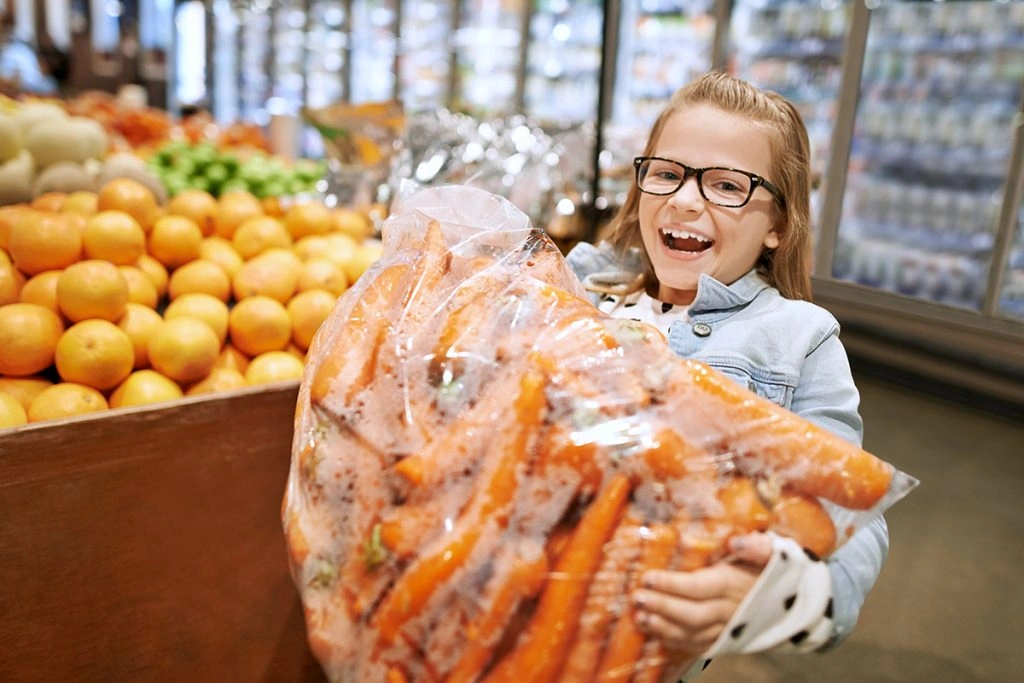
It may sound counterproductive, but one effective strategy to combat rising grocery costs is to purchase larger quantities — in bulk.
Overall, food costs in September climbed 3.1% year over year, according to the U.S. Bureau of Labor Statistics, with grocery prices up 2.7% over that period.
When done thoughtfully, buying in bulk can lower what you spend, even if you live alone.
Below are practical pointers to help you nab high-volume staples while sidestepping common bulk-buying mistakes.
The Advantages of Buying in Bulk
Although large packages often mean a bigger outlay at checkout, bulk purchases can reduce costs when the unit price is lower.
For instance, if a single apple is 75 cents at the store and a six-apple bag costs $3, buying the bag reduces the cost to 50 cents per apple rather than 75.
Besides saving per unit, buying in bulk also reduces how often you need to shop. That can cut down on gas expenses for trips to the store and lessen impulse spending. You’ll also reclaim more free time.
There’s an environmental upside if bulk items use less packaging. Plus, having extra supplies at home helps when emergencies strike — whether it’s a severe storm that keeps you indoors or an unexpected job loss that forces you to tighten your budget.
That said, be cautious: it’s easy to justify a large purchase on the spur of the moment only to leave oversized containers of olives or unfamiliar condiments to gather dust. When buying bulk, ensure the items won’t spoil or go unused. Focus on goods with long shelf lives that you regularly consume.
What to Buy in Bulk
Smart bulk buys usually include pantry staples like pasta, rice, cereal and dried beans along with durable items such as canned goods, cooking oils, flour and sugar. Household essentials like paper towels, toilet paper, batteries, office supplies and laundry detergent are also sensible bulk choices.
Personal-care items like toothpaste, deodorant, soap and diapers are wise to buy in larger quantities. Don’t forget pet food and pet supplies!
Here are many items that commonly save you money when bought in bulk.
Food and Beverages
- Cereal
- Oatmeal
- Canned vegetables and fruit
- Soup
- Rice and grains
- Pasta
- Pasta sauce
- Beans (canned and dried)
- Frozen food (vegetables, fruit, meat, prepared meals)
- Crackers
- Cookies
- Chips
- Pretzels
- Nuts
- Gum and mints
- Sugar
- Honey
- Flour
- Vanilla and other extracts
- Coffee
- Tea
- Bottled water
- Juice
- Soda
Household Products
- Toilet paper
- Paper towels
- Napkins
- Paper plates and bowls
- Disposable cutlery
- Coffee filters
- Laundry detergent
- Cleaning supplies
- Air fresheners
- Sponges
- Dish soap
- Trash bags
- Lightbulbs
- Aluminum foil
- Plastic wrap
- Parchment paper
- Resealable storage bags
- Batteries
- Tape

Beauty and Self-Care Products
- Soap
- Shampoo
- Conditioner
- Shaving cream
- Lotion
- Toothpaste
- Toothbrushes
- Floss
- Cotton balls, pads or swabs
- Vitamins
- OTC allergy medication
- Bandages
- Rubbing alcohol
- Antibacterial wipes
Baby Supplies
- Baby food and snacks
- Infant formula
- Baby wipes
- Diapers
Pet Supplies
- Pet food
- Dog waste bags
- Cat litter
How to Tell If a Bulk Purchase Is a Good Deal
With a few straightforward steps, you can determine whether buying in bulk is cost-effective.
First, note the total price. Second, find the unit price — typically shown as cost per ounce, pound, liter, etc., on the price tag in smaller print.
Then divide the total price by the unit quantity. If doing math in the aisle isn’t appealing, let an app do the work; for example, try Unit Price Comparison.
What Not to Buy in Bulk
Avoid bulk purchases of items that will spoil before you can use them all, such as fresh produce, meat, eggs, milk, cheese, certain condiments and some spices. That said, bulk buying may still make sense if you plan to freeze meat, can produce or prepare large batches of meals for future use.
Check expiration dates on non-food items as well. Products like fabric softener or teeth-whitening strips may lose potency after a year.
Consider how long it will take your household to consume an item before committing to a large quantity.

Where to Shop for Bulk Items
Warehouse clubs — such as Costco, Sam’s Club and BJ’s Wholesale — are common places consumers think of for bulk shopping. These stores usually require a membership to shop.
Membership fees for those chains typically fall between about $50 and $120 per year. If you only visited once a month, that works out to roughly $4.17 to $10 per trip, but the savings you realize could offset—or exceed—that cost.
Although warehouse clubs offer a wide range of bulk options, don’t overlook your neighborhood grocery store. Check unit prices on family-size packs or economy bottles. Bulk-sized packages aren’t always shelved where you expect.
If you prefer online shopping, Amazon and Boxed provide bulk-buying choices. To maximize savings, aim to exceed the seller’s free-shipping threshold.
How to Dodge Bulk-Buying Pitfalls
Buying in bulk can help your budget stretch further, but it also has downsides. Here are five recommendations to make the most of bulk purchases while avoiding common traps.
1. Watch the Credit Card
Bulk purchases require more money up front, which can strain a tight budget. Avoid charging large bulk buys on a credit card unless you’re certain you can pay the balance quickly; otherwise interest charges can erase your savings.
2. Start Small and Plan
Begin by picking one or two frequently used items to buy in bulk rather than converting everything on your list. Use coupons, sales and promotions to further lower costs.
3. Split the Purchase
Sharing a bulk buy with friends or relatives can reduce the upfront cost and helps if you’re worried about using everything before it expires or don’t have enough storage.
4. Think About Storage
Consider where you’ll stash your purchases. Before investing in an extra freezer or shelving, look for overlooked spots like empty closets or a garage space for items that don’t require climate control.
5. Avoid Overuse
Resist the temptation to consume more simply because supplies are plentiful. For instance, you’d likely use fewer paper towel sheets if you only had two rolls versus a dozen. Maintain your usual usage patterns.
Former senior writer Nicole Dow contributed. Assigning Editor Karen Grigsby updated this post.