Americans are fond of fizzy drinks; few things match the refreshment of a cold can of cola on a sweltering afternoon. Yet it’s widely known that soda isn’t great for your health — and maintaining a soda habit can also hit your wallet.
Experts predict per-person soft drink consumption will reach 42.2 gallons in 2025. That’s the mean figure. Considering many people avoid soda entirely, those who do consume it likely drink much more than that average.
We’re looking at substantial numbers here, both in consumption and expense.
The average cost of a 12-ounce can of store-bought soda or sparkling water is about $0.62. There are more than ten 12-ounce cans in a gallon, and with an annual consumption averaging 42.2 gallons, a typical soda consumer uses roughly 450 12-ounce cans a year. At $0.62 per can, that totals $279 per person. For a household of four, that’s $1,116 each year.
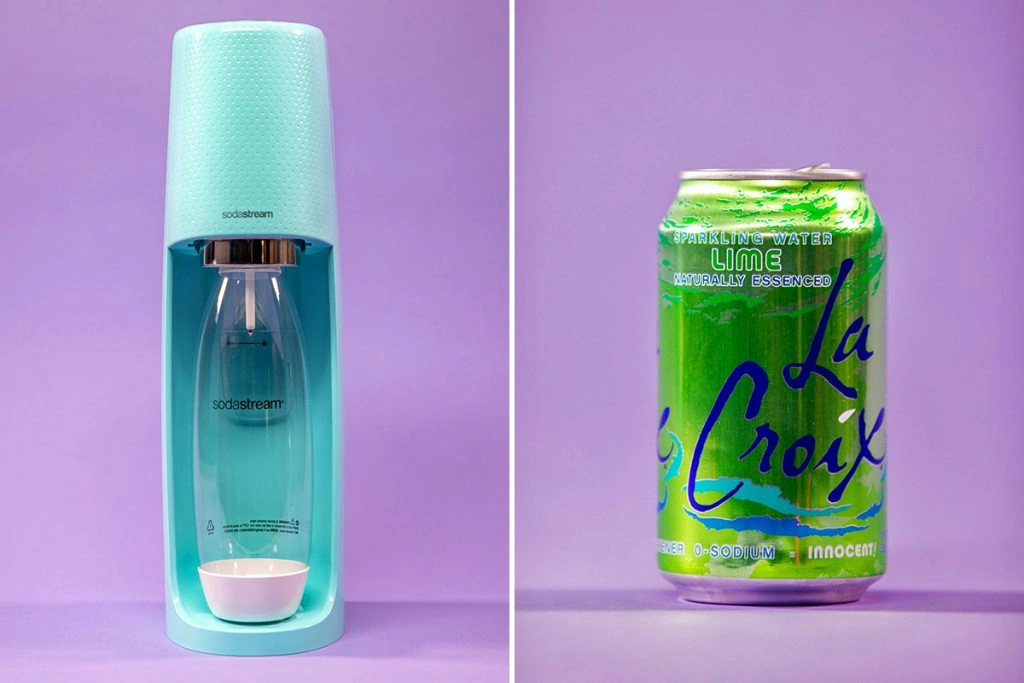
That explains why some folks are willing to spend $100 on an entry-level SodaStream unit, plus $16.99 for a CO2 cylinder and about $15 for each cylinder exchange — all to try to cut soda costs.
The real question: do those buyers actually save money? We investigated whether a SodaStream is a worthwhile investment.
More From Savinly:The Dumbest Things We Keep Spending Too Much Money On (And How to Stop)
The Cost of Owning a SodaStream
A 60L SodaStream CO2 canister typically produces about 15 gallons of carbonated water, depending on how fizzy you make it. That equals roughly 160 12-ounce sodas, which would cost about $99.20 at retail prices. Paying the $100 for the SodaStream unit — which includes a full CO2 can and the carbonation bottle — doesn’t by itself guarantee savings.
However, each replacement gas cylinder (around $24.99 at Target unless you return your empty for an exchange, which drops the price to about $15) extends your supply, making the initial $100 outlay more economical over time. Spreading the cost of the soda maker across months or years usually results in spending less on fizzy drinks than buying individual cans.
There are additional cost factors. Some SodaStream models offer automatic carbonation, reducing the manual effort (instead of pressing the carbonation button multiple times to achieve desired fizz). Those models cost more, but the convenience can be worthwhile.
You’re also paying for the water you carbonate. Tap or filtered water is fine to use; bottled water is an option but adds to your costs.
The unit comes with a plastic bottle for carbonating, but you may prefer glass containers. If multiple family members will use the machine, you’ll likely want extra bottles.
If you add flavoring, syrup expenses matter. A 440ml bottle of Pepsi flavoring costs $5.49 at Target and makes roughly 304 ounces of flavored soda — about 25 servings. Include that when calculating whether a SodaStream pays off for your household.
Is a SodaStream a Good Value?
Generally, yes. Making your own sparkling drinks at home tends to be cheaper than buying them, though how much you save depends on your consumption and how carbonated you like your beverages. Overall, this is an instance where paying more up front can lead to long-term savings.
More From Savinly:These Companies Will Give You Food and Other Products For Free
Ways To Cut Costs Further
The prices cited above are suggested retail figures. You can reduce expenses in almost every area of creating bubbly water at home beyond what we’ve covered.
Consider Other Soda Makers
There are alternatives to SodaStream that may be less costly, for example:
- Philips Sparkling Water Maker:$53.97 on Amazon
- iSi Classic Sodamaker:$91.24 on Amazon
- OTE Portable Sparkling Water Maker:$49.99 on Amazon
CO2 cylinder prices vary by retailer; this is one component that often isn’t cheaper on Amazon. Compare prices at different stores to find the best deal.
Look for Sales
If you’re hesitant to spend $100 on a SodaStream, you can still save by buying carbonated drinks in bulk at warehouse clubs. Watch for promotions at grocery stores as well — sodas are seldom sold at full suggested prices in those venues.
Try Store Brands
Many supermarket chains carry private-label sparkling beverages (for example, Signature Select at Albertson’s). A 12-pack of lime sparkling water sells for $4.49 at Albertson’s, which breaks down to about $0.374 per can.
Other Factors to Ponder
Overall, a SodaStream-type device can be economical if you drink enough sparkling water. If the machine lasts multiple years, your ongoing costs are largely CO2 refills (and syrups if you use them), significantly lowering per-drink costs.
Another advantage is reduced waste: using refillable CO2 canisters keeps items out of landfills. Exchanging tanks rather than discarding them helps lower your environmental impact and is a greener choice.
That said, some household members may resist because homemade soda often doesn’t taste exactly like store-bought brands. This kind of preference dispute is common with store-brand versus name-brand food items. Expect some pushback from picky drinkers.
Also consider counter space. If you don’t mind fetching the SodaStream from a cabinet when you want a drink and putting it away afterward, space won’t be an issue. If counter real estate is limited, that may affect your decision.
Deciding If a SodaStream Is Right for You
Three main considerations determine whether a SodaStream is a sensible purchase:
Cost
The more sparkling beverages you consume, the more likely a SodaStream makes financial sense. If you only drink soda occasionally, single cans or 2-liter bottles may be cheaper.
Convenience
Owning a SodaStream means keeping a stock of CO2 cylinders and syrups on hand. Replacing cylinders involves some mechanical handling, so basic DIY comfort is helpful. Some people prefer the instant convenience of grabbing a ready-made can from the fridge.
Space for the Device
How crowded is your kitchen counter? Is there room for a SodaStream, or would you store it in a cabinet when not in use?
In the end, it depends on how important carbonated drinks are in your household.
More from Savinly:
- The 5 Top Apps for Saving Money in 2025
- 31 Ways to Make Money Online & From Home in 2025
- 5 Strategies to Consolidate Your Credit Card Debt
Cincinnati-based contributor Laura Bennett writes about personal finance, cars, pet care and parenting for Savinly. Freelancer Alex Mercer contributed to this piece.