When I discovered I was expecting my daughter, Rose, back in 2014, I was instantly inundated with tips and recommendations about how to get ready. The sheer volume of gear available for a tiny person is almost staggering, and as a first-time parent you’ll need to decide which things are must-haves and which are nice-to-haves.
One must-have item for your baby registry is a car seat. But with a wide array of models to pick from, how do you know you’re getting the best car seat for your budget?
To better understand how to pick a cost-effective car seat, I talked with Lani Harrison, a certified Child Passenger Safety Technician (CPST) with Car Seats for the Littles, Inc — a 501(c)(3) group dedicated to educating families and helping them find the correct seats for their kids.
Are All-in-One Car Seats Truly More Cost-Effective?

An all-in-one seat is made to accommodate a child from infancy (or near it) through early childhood. It functions as an infant carrier, a rear- and forward-facing convertible toddler seat, and eventually a booster. You might think the most economical option is a seat that lasts the longest, but Harrison warns that isn’t always the case.
“Often the cost of [purchasing an infant, convertible and booster seat] is lower than the cost of a single all-in-one seat,” she says. For illustration, Harrison points to a specific all-in-one model, the Graco 4Ever, priced at $299. Alternatively, you could buy a rear-facing to forward-facing seat (Graco Contender) for $139 and a booster (Graco Turbobooster) for $49, totaling $188 — saving more than $100 compared with the all-in-one.
Different Kinds of Car Seats
- Rear-facing-only seats are intended for infants under about 12 months of age.
- Convertible seats let you keep a young child rear-facing until they meet the height and weight limits, then switch to forward-facing.
- Combination seats allow forward-facing use with a five-point harness and can convert to boosters later.
- Once your child reaches the appropriate height for a booster, you can opt for a high-back or a backless booster.
Car Seats for the Littles maintains a list of recommended seats in every category.
Harrison suggests buying a rear-facing-only infant carrier first because you won’t know your baby’s size until after birth. “Many convertible seats claim they start at 5 pounds, but actually the lowest strap position corresponds to a two- or three-month-old’s shoulder height! Also, infant carriers usually recline more in the vehicle, which is preferable for tiny infants.”
Infant carriers also make it simpler to lift a sleeping baby out of the car — just unbuckle the carrier from its base and carry it. Most stroller systems also accept infant seats as attachments.
And just in case it’s not obvious, children can get really messy.
“You might picture using a fresh, spotless seat for years, but after a few years the seat often looks worn, and something new becomes tempting,” Harrison says.
By purchasing different styles of seats as your child grows, you’ll actually save money and be able to replace a dirty or stained seat after that fifth projectile sickness episode.
Is a Low-Cost Car Seat Safe?

If money were no object, many parents would choose the priciest car seat for their child. But does a higher price always mean greater safety? Not necessarily, Harrison says.
“All seats sold in the U.S. must pass identical safety standards,” she notes. “We don’t actually have data showing which seats performed better on those tests. At minimum, that means you can locate a safe car seat even if you’re on a limited budget.”
Still, as Harrison points out, “You can’t choose your crash. Some seats may perform differently in certain crash scenarios.”
Purchasing a highly rated seat isn’t sufficient — it also has to be installed properly to protect your child in a collision. A 2015 report from the National Highway Traffic Safety Administration found that roughly 46% of car seats and boosters were installed incorrectly.
The most dependable way to confirm your child’s safety in the car is to getassistance from a CPST.
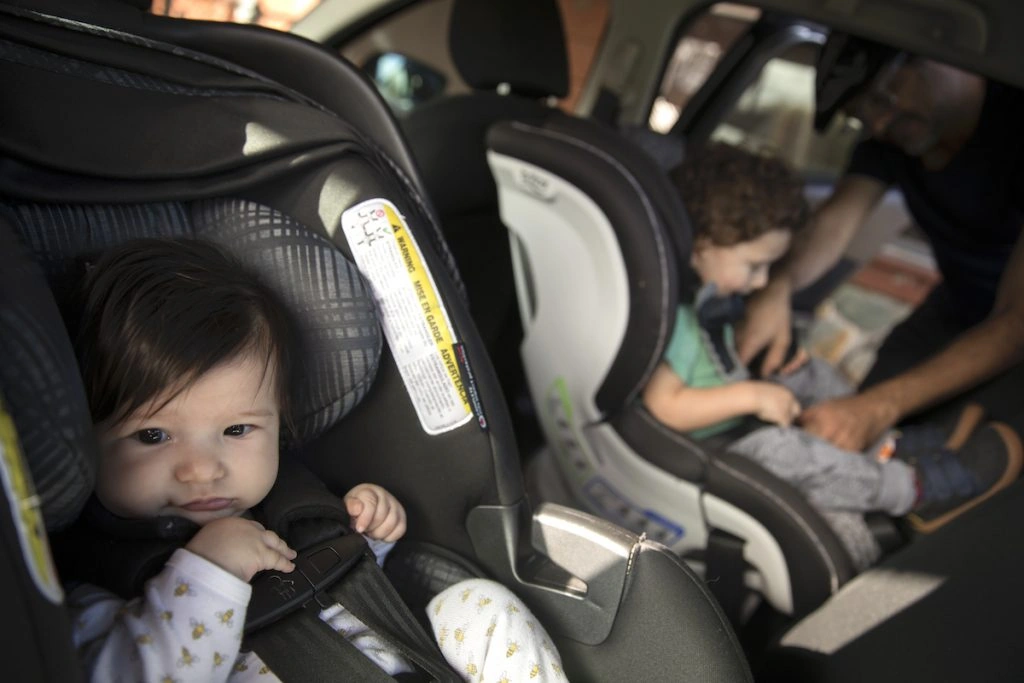
These specialists are trained to install car seats properly and make sure kids are buckled in correctly (for instance, with the chest clip at armpit level rather than lower on the torso). A CPST can provide reassurance and expert guidance.
Even a premium model won’t protect a child in a crash if it’s installed incorrectly.
Many CPSTs are independent contractors and may charge for their services. However, you can often find certified technicians at local police or fire departments who will inspect or install your car seat for free. Locate a nearby inspection site using NHTSA’s search tool.
Getting ready for life with a child shouldn’t drain your savings. Rest easy knowing that the seat you buy meets U.S. government safety standards, and take advantage of a CPST’s help to make sure it’s installed correctly and safely. For tips on trimming costs for baby gear, check out how to save money on a car seat.
Cameron Drake survives a feisty toddler every day, and fortunately they’ve never argued about car seats. Then again, never say never…