But safety often carries a steep cost, as many New Jersey parents are learning this week.
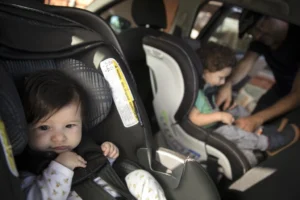
The state recently revised its car seat regulations, prohibiting the common practice of turning an infant from a rear-facing seat to a forward-facing one around their first birthday. Under the updated rule, children must remain in rear-facing seats until they reach age 2 or until they weigh 30 pounds.
A change like this can create some logistical headaches: you’ll need to ensure your children are in the correct car seat for the appropriate duration, which might even require purchasing an additional seat.
So what’s a frazzled parent to do?
Some budget-conscious caregivers may look to used sources to meet their car seat needs. But is acquiring a pre-owned car seat safe?
We examined the guidelines for buying and selling car seats on the secondhand market.
Is Buying a Used Car Seat Safe?
Every state sets its own child safety seat laws, and these aren’t regulations to take lightly. Breaking safety seat statutes can result in stiff fines and even points on your license.
That said, you can still economize when purchasing a car seat or booster for your child. Here’s what to keep in mind when considering used car seats.
Car seats expire: Unlike perishable food that spoils quickly, seat expiration dates exist as a safety precaution.
“A major reason seats have expiration dates is that they’re constructed from plastic,” explains Debbi Baer, R.N., an authority at The Car Seat Lady. “Over time plastic becomes brittle and weak — two properties you don’t want in a seat that must withstand extreme crash forces.”
Expiration dates also ensure families are using current safety technology, though keeping up can become costly, especially with children spaced several years apart.
If a seat you own or are thinking of buying lacks an expiration label, consult the owner’s manual or contact the manufacturer.
It’s not illegal: Despite online arguments, selling or buying a used car seat is not illegal in itself.
However, selling a recalled car seat is prohibited. Before you try to save money or earn some by selling a seat, verify the model has no active recalls.
How to Buy a Used Car Seat (Safely)
If you’re leaning toward a secondhand option, or scrambling for another seat to comply with new regulations, follow these tips.
Only Purchase From People You Trust
“Knowing” someone can be interpreted broadly: a neighbor, a parent from your child’s class, someone on a community list, or a friend-of-a-friend are usually safer choices.
This isn’t a transaction to wrap up after scanning a few Craigslist photos. Have an honest conversation with the seller before committing.
Baer, The Car Seat Lady, suggests discussing:
- The seat’s complete history, from initial purchase to the current resale
- Whether the seat has been involved in any crashes and the crash history of every vehicle it was used in
- All parts and accessories, to confirm everything functions properly
- And, as mentioned, the model’s expiration date
If a seller won’t answer these questions, they’re probably not a reliable source for a used item meant to keep your child safe.
Regarding crashes, Baer advises, “When in doubt, discard the car seat — don’t sell, buy, or borrow a seat if you’re uncertain about its crash history.”
When Using a Secondhand Seat, Allow Extra Time Before the Expiration Date
Baer recommends only accepting rear-facing seats with at least one year of remaining use, and front-facing or convertible seats with two to three years left. Boosters should be dependable until your child is roughly 10 years old to ensure they meet height requirements.
How to Save Money on a New Car Seat
If you’d rather not buy used, here are ways to save when purchasing a new car seat.
Pick a Stroller First, Then a Car Seat
If you plan to test a dozen strollers before settling on one, don’t grab any car seat just because it’s inexpensive. If you intend to use an infant seat that snaps into a stroller base, compatibility can be an issue.
Savinly contributor Alexis Grant learned that sometimes saving money requires a bit of spending. She received a stroller as a gift and borrowed an infant car seat from family, saving $100. Still, she needed to buy a $60 adapter to make the car seat work with the stroller.
Register Smartly
If you’re creating a baby registry, include the car seat you’ve researched and prefer — even a toddler seat the baby won’t use immediately. Friends and family frequently pool funds for safety items like car seats, which are popular group gifts.
Even seasoned parents might register for a seat for an older child who’s outgrowing theirs. Picking a brand and model in advance makes it easier for relatives or coworkers who want to help.
Purchase From Your Own Registry
If your registry doesn’t yield a car seat, you can still capitalize on registry perks. Most retailers offer savings for items purchased through your registry.
At Babies“R”Us, registry purchases earn cashback: a gift card worth 5% of the first $300 in registry purchases (up to $15), and 10% of additional purchases beyond that, delivered as another e-gift card. These benefits apply when you buy from your own registry as well.
Buy Buy Baby provides a certificate — essentially a coupon — for remaining registry items you want to buy near your baby’s arrival. The discount is typically between 10-15%. The store also hands out coupon-filled Goody Bags when you open a registry, so look for immediate savings.
Target offers various coupons for registry participants. Starting eight weeks before your due date, you can take 15% off remaining registry items — a discount available for late registry purchases by friends, family, or yourself.
Amazon gives Prime members 15% off baby registry purchases. There’s also a Welcome Box of free samples worth up to $50 available briefly after signing up.
Your Turn: What other tips do you have for saving on child car seats?
Disclosure: We have a serious Taco Bell habit around here. The affiliate links in this article help fund our fast-food cravings. Thanks for the support!