Each November marks National Diabetes Month.
In the United States, roughly 29.1 million people live with diabetes (type 1 or type 2). Health care costs for those individuals are up to 2.3 times greater than for someone without diabetes.
Diabetes: Type 1, Type 2 and Gestational
Type 1 diabetes, once called juvenile diabetes, is frequently identified in children, teenagers and young adults.
Type 2 diabetes is far more prevalent. It represents around 90–95% of all documented cases of diabetes, yet it’s believed that in 2015 up to7.2 million adultsremained undiagnosed. That year, 84.1 million Americans 18 and older had prediabetes, which often precedes type 2 diabetes.
Gestational diabetes arises during pregnancy and frequently resolves after childbirth. Still, a history of gestational diabetes raises both the parent’s and the child’s future risk of developing type 2 diabetes.
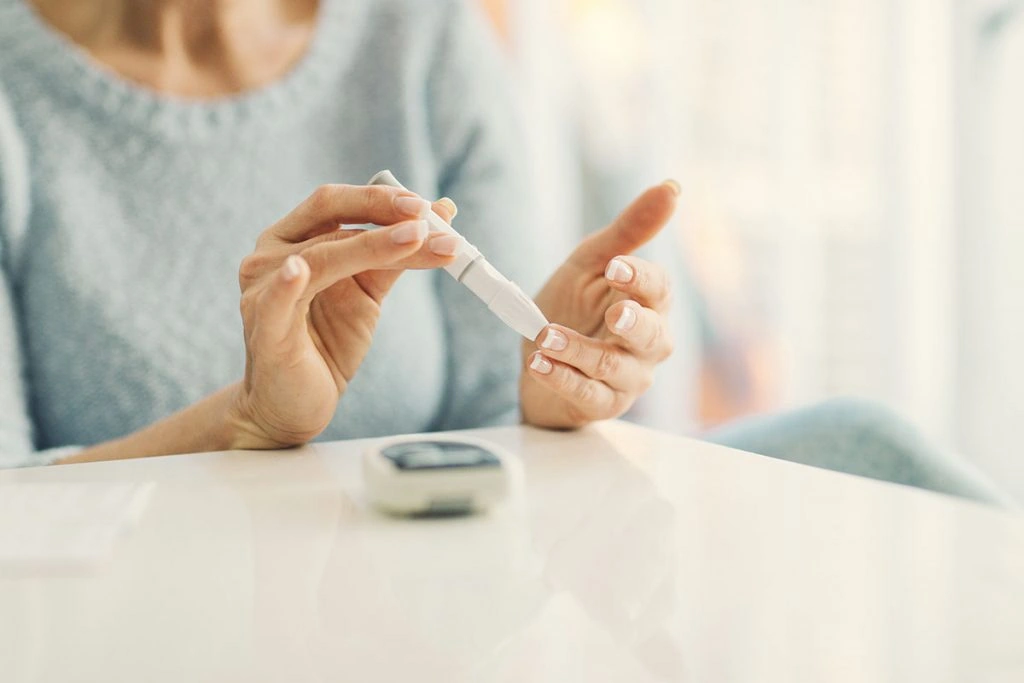
Luckily, there are straightforward and relatively low-cost (and occasionally free!) tests that can indicate whether you have diabetes or are at heightened risk for developing it later.
Who Should Be Screened for Diabetes
The U.S. Preventive Services Task Force advises screening adults aged 40 to 70 for abnormal blood sugar and diabetes. That said, if you or a family member notice possible symptoms of type 2 diabetes, consult a health care professional regardless of age.
(Type 1 diabetes differs from type 2 in that it’s often only detected when it reaches a critical stage, so many signs can be missed until an acute event occurs. Nonetheless, there are symptoms to be aware of that may point to type 1 diabetes.)
You should think about screening for type 2 diabetes if you:
- Are older than 45
- Have a history of gestational diabetes
- Are overweight
- Have high blood pressure
- Have a close relative who has been diagnosed with diabetes
Low-Cost and No-Cost Screening for Type 2 Diabetes
Many clinics and health organizations provide affordable and free type 2 diabetes screenings and testing.
Keep in mind that blood glucose levels vary, so a single test may not give a definitive answer. Most clinicians will order more than one type of test.
- Thisfree online toolcan assist in estimating your lifetime risk of developing type 2 diabetes. It’s not a medical diagnosis, but understanding your likelihood of developing type 2 diabetes can motivate lifestyle changes that may help prevent it.
- Medicare Part B may pay for up to two diabetes screenings annually. Part B covers lab testing if you have high blood pressure, a record of abnormal cholesterol or triglycerides, a history of elevated blood sugar or are classified as obese. Coverage also extends to screenings if you are any combination of: over 65, overweight, have a family history of diabetes, or have a past of gestational diabetes.
- Hospitals, health centers and retailers such asCVS,Walgreens, Costco and Sam’s Club typically provide low-cost diabetes screening options. They also frequently host free type 2 diabetes screening events. Check local event calendars or call nearby stores to learn about upcoming screening days. You can also look into free health screening sams club opportunities at times.
- If you’re found to have prediabetes, the stage before a full diabetes diagnosis, you may be able to delay or prevent type 2 diabetes through dietary and lifestyle changes. Studies show losing body fat and engaging in regular moderate exercise can lower the risk of progressing from prediabetes to type 2 diabetes by about 58% (source).
- The prospect of a diabetes diagnosis can feel daunting. The American Diabetes Association, the CDC and the American Association of Diabetes Educators each provide a variety of free educational resources online.
- If you’ve recently learned you have diabetes, you canfind a support community here to connect with others living with the same condition. The ADA offers free message boards and virtual education sessions that you can join.
For those looking to check their blood sugar status, you can also find information about free health screening options available in many communities.
Affordable and Free Diabetes Supplies and Care Help
Screening is just the beginning when it comes to managing diabetes. For people with diabetes, routine testing, ongoing management and necessary supplies can become expensive quickly.
- Most blood glucose meter makers will provide a voucher for a free meter if you submit a brief request on their website. You can read a short guide here about companies that offer vouchers, which supplies are compatible with specific meters and how to verify insurance coverage for those supplies. Note that manufacturers often supply free meters to encourage purchase of their test strips, where costs can rise. You can compare strip brands and prices here to shop around.
- If you have private insurance, Medicare or Medicaid, test strips are often available at low or no cost with a prescription from your doctor.
- You can look for “short-dated” test strips online — these near-expiration strips are frequently sold at sharply reduced prices. Several web retailers list discounted test strips.
- The Partnership for Prescription Assistance offers resources to help you find financial aid for a range of diabetes-related needs, from vision care to low-cost insulin delivery supplies. The program also includes support for service animals, test strips, limb-loss prevention and more.
- Medicare and Medicaid pay for a large share of diabetes testing and supplies. Benefits depend on the state, but both programs generally cover at least part of the costs for meters, test strips and syringes. In some cases, items like therapeutic footwear, eye exams and self-management education may also be available at no expense to you.
- CHIP, the Children’s Health Insurance Program, is a federal-state program offering uninsured children health coverage. Benefits differ by state, but most plans include screening, diagnosis and treatment services. If copays or fees apply, they’re typically capped at a small portion of family income.
Millions of Americans have type 2 diabetes and don’t yet know it. Protect your health by getting screened and addressing symptoms early.
Alex Rivers is a staff writer at Savinly.