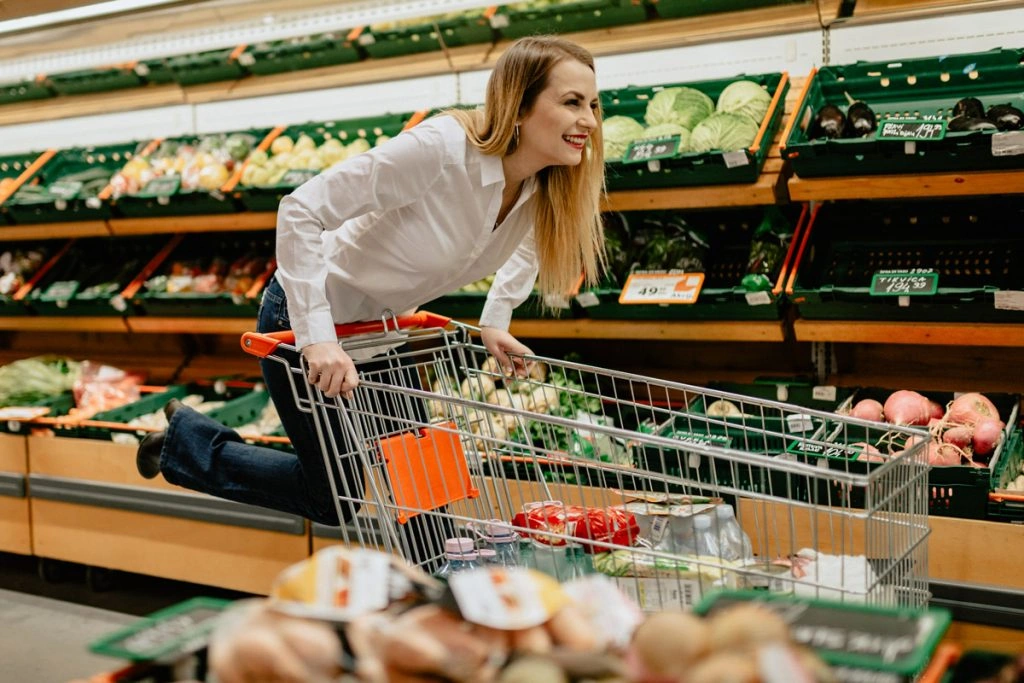
Buying groceries for a single person can feel intimidating when you’re trying to save. Many supermarket packages — like a tub of lettuce or a family-sized pack of chicken — are too big for one eater, and a lot of recipes are written for families of four or more. Between tossing spoiled items and purchasing ingredients you won’t use, it can seem like single households are literally throwing money away in the kitchen.
Single? Here’s How to Save Money on Groceries for One Person
So how does someone cooking for one stick to a food budget without buying too much or letting food go to waste? We’ve got you covered.
Below are eight practical strategies to help you manage your grocery spending, reduce waste, and keep more money in your pocket.
1. Use Coupons and Money-Saving Apps on Groceries
Grocery prices have risen dramatically, but there are still lots of small ways to trim costs on each shopping trip.
Credit Cards With Cash Back on Groceries
Many credit cards now offer cash back, and some award extra returns for grocery purchases. Look into the best cash back card options to pick one that fits your spending habits.

Money Saving/Cash Back Apps
Did you realize your phone can help you shave dollars off your grocery bill? Apps like Upside give you cash back on gas, groceries and dining. Amazon Prime members should try the Whole Foods App to save at checkout. We also recommend exploring other popular money-saving apps to find the ones that suit you.
Coupon Sites
Coupon-cutting from newspapers is mostly a thing of the past. Now it’s simpler to find digital coupons before you shop. Check sites like Rakuten or Coupons.com before heading out to see if anything on your list has deals. You might be surprised how much small savings add up over time.
2. Before You Go Grocery Shopping, Meal Plan With Similar Ingredients
You’ve probably heard this before, but it bears repeating: always shop with a plan. And don’t go to the store hungry.
Compare prices at nearby stores and make a grocery list to avoid impulse buys. It’s one of the best ways to stick to a food budget and limit waste.
Meal planning for one can be tricky — leftovers get old fast, and it can be tempting to toss the remainder and order takeout.
Our tip for maximizing value: pick two to three recipes that share many of the same ingredients, then halve the portion sizes. This prevents overbuying and reduces the chances of food going bad before you use it.
Want leftovers you won’t mind eating? For lunch try a sundried tomato soup and a kale salad with pecorino — both use Tuscan kale, garlic and a hard cheese like pecorino or parmesan, and are easy to make in smaller amounts. For dinner, stretch pork and pineapple by preparing half portions of Pineapple Pork with Coconut Rice and Caramelized Pork Tacos with Pineapple Salsa.
These recipes reuse core ingredients but deliver very different tastes so you won’t get bored.
3. Use Your Freezer to Preserve Food
The freezer can be a single cook’s greatest ally and simplifies meal planning.
Many recipes can be made in single-serving portions and frozen for quick reheating. Freezing also lets you take advantage of bulk or sale pricing without wasting food.
See a deal on chicken breasts? Buy a few packages and freeze what you won’t immediately use.
The freezer also rescues produce that’s becoming overripe — put brown-spot bananas into a freezer bag for smoothies.
Label items with contents and the date you froze them so you don’t end up discarding mystery packages later.
Don’t overlook the frozen aisle: frozen vegetables, rice, or zucchini noodles can save time and money, and frozen fruit is perfect for smoothies or a quick fruit crisp.
4. Shop the Sales and Stock Your Pantry
If you’re working to keep your food spending down, you probably already know to watch your store’s weekly sales.
Stores frequently run BOGO — buy one, get one — and other rotating promotions. Take advantage when items you use go on sale.
Pantry staples like beans, lentils, pasta, sauce, broth and canned goods are inexpensive and have long shelf lives, making them ideal for people who live alone. Purchase these basics on sale and store them until needed, but be sure to use them in your meal planning.
Want a reliable protein that won’t spoil quickly? Canned fish such as tuna and salmon are convenient for easy dishes like tuna salad or salmon patties.

5. Use Food-Saving Hacks
Fresh produce often goes bad before a solo eater can finish it. Fortunately, there are many tricks to extend freshness. A few helpful methods:
Store Your Lettuce With Paper Towels
Moisture causes greens to wilt. Keep loose greens in an airtight container lined with paper towels to absorb excess moisture and promote airflow. Wrap whole heads of lettuce in paper towels before placing them in the crisper drawer.
Wash and Properly Store Your Herbs
Rinsing herbs and removing bacteria right when you get home helps them last. Pat them dry thoroughly. Soft herbs like parsley, cilantro and mint do well standing in a jar with a little water, covered with a clear bag, stored in the fridge. Basil uses the same method but fares best on the countertop; the refrigerator can damage basil. Hardier herbs such as rosemary, sage and thyme should be wrapped in a damp paper towel and placed in the fridge.
Store Mushrooms in a Paper Bag
Leaving mushrooms in plastic containers speeds spoilage. Transfer them into a paper bag before refrigerating to prolong their life.
Submerge Ripe Avocados in Water
Avocados can be hard to keep fresh. Once they’re ripe, place whole or halved avocados in water in the fridge. This slows further ripening and keeps the flesh greener longer.
6. Invest in Food-Saving Tools
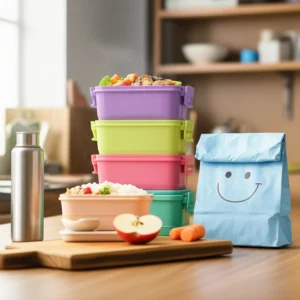
Quality airtight storage is essential for the solo cook. It helps preserve meals longer and many containers are stackable, freeing up space in your fridge or freezer.
Not sure how much pasta is one serving? A kitchen scale helps you portion accurately so you don’t cook too much and waste food.
If you want extra protection for things that spoil quickly, consider food-preservation gadgets. An herb keeper can extend the life of cilantro and parsley. A vacuum sealer is handy for packaging bulk buys before freezing.
Think about which items in your fridge tend to go bad first, then choose tools that address those particular problems so you save both food and money.
7. Use a Meal Kit Service
Meal kits can be a great fit for busy people cooking for one. Ingredients arrive pre-portioned for one or two servings, reducing trips to the store and cutting waste.
Pre-measured spices and components eliminate the need to buy a large bottle of something you’ll rarely use. Prepare one portion for dinner and save the other for lunch the next day.
8. Eat Vegetarian
Switching to more vegetarian meals is a straightforward way to lower grocery bills, and it’s especially helpful for one-person households. Vegetarian leftovers typically last longer than meat-based dishes, and plant-based meals are generally cheaper to prepare.
Vegetarian proteins like tofu, beans and lentils keep longer than fresh meat, giving you more leeway and fewer expired items. Try replacing meat with tofu, mushrooms or legumes in your next dish and you’ll see how tasty and budget-friendly a plant-forward diet can be.
Contributor Emma Carter is a Boston-based writer focused on food, travel in Italy and cultural history.