With the prices of groceries, fuel and utilities still high, everyone could use some relief. A bit of preventative upkeep and a few simple fixes can help keep costs under control.
With that in mind, here are 19 ways to trim your home heating expenses this winter.
19 Ways to Lower Your Electric Bill
From proper insulation to routine maintenance and small adjustments, these suggestions can help you avoid sticker shock from your heating costs.
1. Get a Free Home Energy Assessment
Many utilities provide complimentary home energy assessments or optimization kits. Xcel Energy, which serves large portions of the northern Midwest and Mountain regions, offers a free virtual visit with a Home Energy Squad member, followed by a complimentary kit to help optimize residential electricity use (especially helpful for homes with electric heating).
2. Seal Cracks and Leaks
When temperatures drop, don’t let valuable warmth escape through drafty doors and leaky windows. Seal these energy-wasting gaps with affordable draft tape, typically costing between $10 and $25 on sites like Amazon.
3. Upgrade to Efficient Equipment with a Rebate
Although replacing HVAC systems and thermostats can be costly, many energy companies run rebate programs. ConEd, the utility for New York City, offers rebates on smart thermostats. Check with your provider to see what incentives are available in your area — you might get more than $100 back.
4. If You Have a Smart Thermostat, Use It
If you already own a Nest or another programmable thermostat, take time to set it up. Smart thermostats enable zoned and scheduled heating and cooling, which on average can save homeowners about 12% on heating and up to 15% on cooling costs.
5. Invest in a One-Time Duct Cleaning
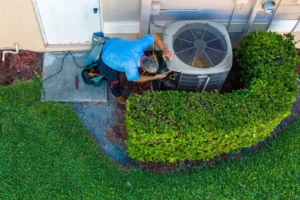
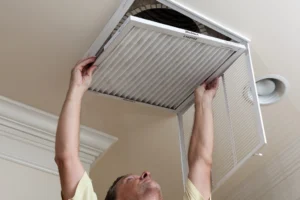
One common cause of inefficient heating is clogged ductwork. Dust, pet hair and dander accumulate in vents over time and obstruct airflow. Cleaner ducts can improve heating efficiency and reduce the urge to crank up the thermostat. HVAC maintenance is fairly affordable; a single vent cleaning typically costs between $200 and $300.
6. Run Electric Heaters at Night
Some utilities impose higher rates during daytime peak hours and lower rates in the evening. To reduce the electric bill, run electric heaters during off-peak evening and early-morning hours when possible and safe.
7. Insulate Hidden Areas
Fixtures that have plumbing behind them (toilets, sinks, etc.) are often mounted in cavities without insulation. That can allow cold air in while warm air escapes. Talk with a pro about adding insulation behind toilets and sinks to boost your home’s energy efficiency.
8. Close the Door
In a multi-room home, closing doors to unused rooms concentrates heat where you’re spending time and helps keep those rooms warmer. Choose a room or two to use most of the day and shut doors to the rest to create natural zonal heating.
9. Only Heat The Rooms You Use
Beyond keeping doors closed to unused spaces, only heat the zones you actually need. Having multiple thermostats for zone heating is an effective way to lower home heating costs.
10. Lower the Hot Water Heater Temperature
Water heaters often default to 140°F, which wastes between $36 and $61 annually, according to the Department of Energy.
The DOE suggests reducing the maximum temperature to 120°F is suitable for most households. Your showers might be a touch less hot, but you’ll shave a few dollars off bills over winter.
11. Decrease Door Drafts with a Draft Stopper
Using a draft stopper on doors can further prevent heat loss. For about $11, you can keep warm air inside and avoid wasted drafts—another simple way to save.
12. Avoid Using Exhaust Fans
Exhaust fans, like those above stoves or in bathrooms, are effective at moving air and removing moisture. But running them when you’re not cooking or showering strips warm air from your home, so avoid unnecessary use.
13. Go Through a Checklist
Homeownership or renting comes with various maintenance tasks. It’s easy to lose track of seasonal chores that keep your home efficient. Following a home-maintenance checklist like this one can help you prepare for colder months and potentially lower heating expenses.
14. Rearrange Your Furniture
Walk through your home and ensure beds, dressers, bookcases and other pieces aren’t blocking heating vents. If vents are obstructed—especially by tall furniture like shelves—warmth won’t distribute evenly, which might prompt you to raise the thermostat unnecessarily.
15. Seal the Chimney
Closing the damper or sealing the chimney prevents warm indoor air from escaping and cold air from entering. Options range from installing a chimney balloon to covering the hearth with plastic. Consult a professional to determine the best solution for your home.
16. Leave Your Blinds Open
Sun-facing windows naturally warm a room. In winter, this is beneficial: keep blinds open during daylight hours, especially in rooms that receive direct sun, to reduce the need for extra heating.
17. Dinner for Breakfast
Not literally dinner for breakfast, but being strategic with oven use can help warm your home and lower heating bills. Using the oven in the morning, when it’s coldest, helps heat the house early in the day. After cooking, leaving the oven door open (safely) lets residual heat spread through your home, reducing immediate thermostat use. Also, running the oven near off-peak hours can cost less. A warmer house, lower heating use and a tasty meal—win-win.
18. Use a Humidifier
Humid air feels warmer than dry air, which can make you comfortable at lower thermostat settings. Running a humidifier during the day can help your space feel warmer and reduce reliance on heating.
19. Dress in Multiple Layers and Use Extra Bedding
Rather than keeping the heat high, wear several layers and add extra bedding to stay warm. Keep sweaters and light jackets accessible around the house, and use duvets or heavy blankets on your bed.
Kristin Jenny is a contributor to Savinly.
Adam Palasciano is a personal finance enthusiast who specializes in content about saving and earning money. His work also appears on The Smart Wallet, FinanceBuzz, Yahoo! Finance, JoyWallet, GoBankingRates.com and The Money Manual.
Frequently Asked Questions (FAQs) About Heating Bills
Here are answers to common questions about heating bills and why they might be high.
To lower your heating bill, first track how many hours per day you run the heat. Then identify opportunities to reduce heating time or the number of rooms being heated. Gradually, this will help shrink your home heating expenses.
High heating bills can stem from drafts, furniture blocking vents, needed repairs or poor insulation. Running all heating zones continuously is another common culprit. If you have gaps around window frames, walls, baseboards or doors, warm air can escape and cool air can enter, forcing your heating system to work harder.
You can cut your heating bill and stay comfortable by sealing drafts, improving insulation, using a smart or programmable thermostat to lower temperatures when you’re away, and keeping up with HVAC maintenance.
Additionally, layering clothes and keeping blinds open in sunny rooms during daylight hours can help you feel comfortable while reducing energy use throughout the winter.