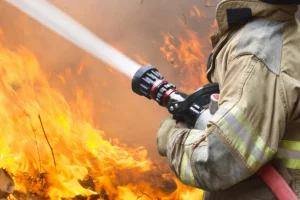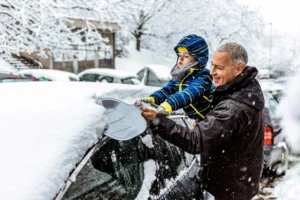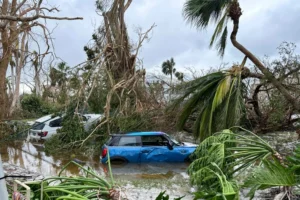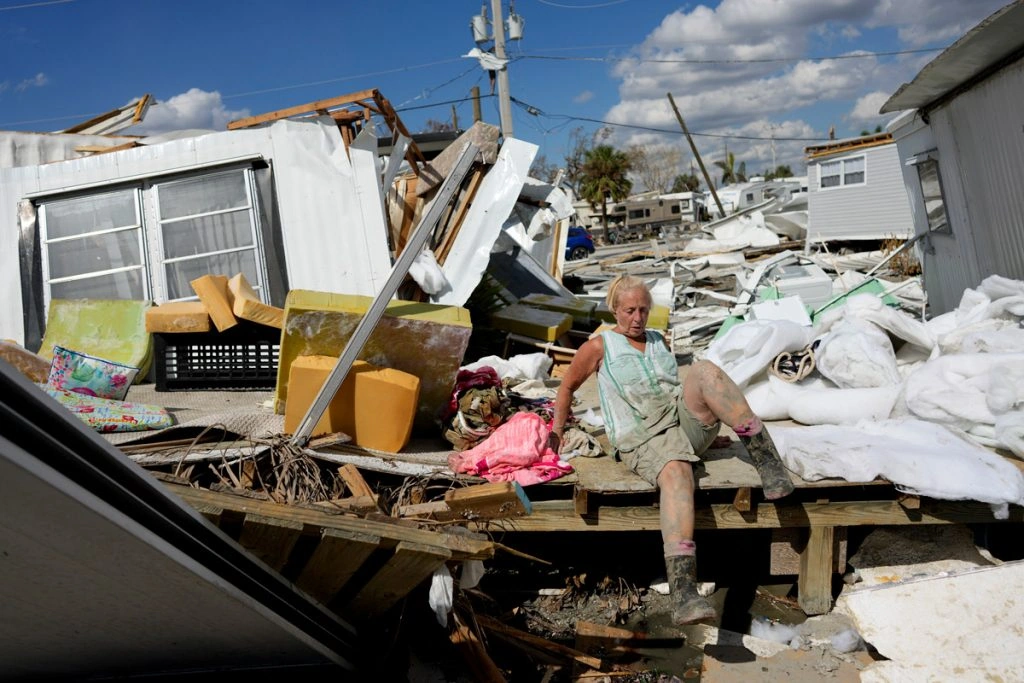
No matter where you live, disasters can affect you. Folks in Florida and along the Gulf Coast face hurricanes, Californians contend with wildfires, Oklahomans deal with tornadoes and Minnesotans handle blizzards. One constant across all catastrophes: you should have an emergency kit. And you can absolutely put one together affordably.
Ideally you already keep spare batteries, bottled water and canned goods in your home for emergencies. If you don’t, now’s the moment to start stocking up.
You could spend upwards of $230 on a one-size-fits-all survival kit loaded with items you may never use. But prepping for a natural disaster doesn’t need to be pricey. These eight strategies will help you cost-effectively build an emergency kit tailored to you and your household’s needs.
Tips for Building a Budget-Friendly Emergency Kit
There are several steps to ensure you have what you might need in an emergency while keeping costs down when assembling your emergency kit.
1. Determine What Belongs in Your Emergency Kit
The Red Cross recommends keeping basic supplies like water, shelf-stable food, extra batteries, clothing, blankets, flashlights and prescription medications on hand for disasters.
If you’re in an apartment, you likely won’t be responsible for clearing big trees or branches. But if you own a home, a storm could leave you with significant yard cleanup. Consider what tools and supplies you’ll need — and what you might borrow.
Check with neighbors to see what gear they already have, and coordinate to share cleanup duties. You may already own many of the tools — chainsaws, pruners, shovels, etc. — needed after a storm.
It’s also wise to keep items on hand in case you’re trapped after a severe event. A whistle can alert rescuers to your location. Sturdy boots and a heavy jacket help protect against broken glass and debris if you must dig out of a basement. While such situations are rare, preparedness helps.
Identify what your specific emergency kit should include and prioritize those things. Your checklist should reflect the ages and needs of family members, from infants to seniors. Think about toys to occupy kids and ensure you account for elderly relatives’ medication requirements.
But don’t go overboard — you’ll likely need food for a week or so, not provisions for a deserted island refuge.
2. Prepare Using What You Already Own
Some prep won’t cost anything. Gather items you already have, like phone chargers, maps and emergency cash, and keep them in a single, easy-to-grab spot so you can evacuate without hunting for them.
Rather than buying bottled water by the case, consider bottling your own. Reuse two-liter bottles (cleaned and treated with purification tablets) filled with municipal water — avoid milk or juice cartons, which can breed bacteria. Label bottles with the date and replace them every six months.
If you need water for cleaning during an outage, fill a cleaned bathtub with cold water. It won’t be safe to drink but can flush toilets and be used for hygiene. This tactic is for those staying in place rather than evacuating.
The CDC advises storing at least 1 gallon of water per person per day for drinking and sanitation. Aim for at least a two-week supply (or more if you have room).
3. Keep a Sufficient Stock of Non-Perishable Food
Alongside water, ensure you have enough food to feed your household for several days.
The federal disaster-prep site Ready.gov recommends stocking non-perishable items like dry cereal, canned foods, granola bars, peanut butter, dried fruit and nuts, canned juice and shelf-stable milk (and comfort foods too — it’s okay to include your preferred cookies). Buy these during sales as part of your normal grocery runs. Use BOGO or discount deals and shop at discount grocers to save.
Also account for special dietary needs. If you have an infant, stash jars of baby food and cans of formula. Keep family preferences in mind — don’t buy ten cans of tuna if no one likes it.
If a storm is approaching and you can safely make a final grocery stop, pick up a bag of apples or oranges. Fresh fruit lasts a while and is nice to have on hand.

4. Put Together a First-Aid Kit
Ensure you have the basics to treat injuries that might occur during an emergency. Whether you ride out a blizzard at home or evacuate to avoid a wildfire, stock a first-aid kit with bandages, gauze, tweezers, antiseptic ointment and pain relievers such as ibuprofen or acetaminophen.
While ready-made kits are available, it’s often more economical to buy components individually and assemble your own. Look for inexpensive bandages at dollar stores and watch for sales on essential items at pharmacies.
Customize the kit to your household’s needs; for example, if you experience stress-related hives, include an antihistamine to treat symptoms promptly.
Keep a large kit at home and a compact one in your car for evacuation. The car kit is also useful for routine outings as well as emergencies.
5. Buy Cost-Conscious Items
When you need to purchase supplies, use coupons and money-saving tricks: take advantage of cash-back sites and hunt for promotions at stores like CVS, Walmart or your neighborhood dollar store.
For basics like batteries, hydrogen peroxide, bleach and bandages, choose generic brands — they perform the same and cost much less. Visit the dollar store for these items, and while you’re there, grab low-cost entertainment like crayons and coloring books for kids and a deck of cards for adults.
Buying in bulk can save money if done wisely. Paper towels, toilet paper, canned goods, toiletries, batteries and bottled water are ideal bulk buys. If some bulk items won’t be used entirely by your household, see if a neighbor or friend will split the cost.
Also consider non-battery emergency tools like hand-crank flashlights and weather radios. If power may be out, a charged handheld phone power bank is invaluable; keep it charged and ready ahead of time.
6. Plan and Stock Up Over Time
One of the smartest ways to save is to buy gradually: look for sales during routine shopping and add items to your emergency stash well before a storm. Tuna on BOGO? Put extras in your emergency supply. Clearance canned veggies? Purchase several to keep on hand.
Don’t forget items like a tire repair aerosol (Fix-a-Flat) that can temporarily seal a puncture if you must evacuate over rough roads. It’s typically sold at grocery stores, Walmart or Target.
Avoid last-minute buying sprees; vendors sometimes practice price gouging despite state laws that may prohibit it. Planning ahead helps you have what you need without paying inflated prices for water or fighting for the last roll of toilet paper.
If you might need to pick up supplies at the last minute, allocate a small monthly “disaster prep” amount in your budget. Even $20 a month in an emergency fund can make a difference.
7. Collect and Protect Important Documents
Don’t forget personal documents as part of your emergency kit. If vital records like birth certificates or car titles are stored in a heavy safe, you might not think to take them if you’re evacuating from a hurricane or escaping a house fire.
In emergencies, you might need these documents — especially if you’re displaced.
Store original documents away from your home (for example, in a bank safe deposit box) and keep copies you can carry in a folder, on a thumb drive or saved in the cloud.
Documents to Copy
Keep copies of anything you could need if evacuated. Consider copying the following:
- Birth, marriage, adoption and death certificates.
- Medical records such as insurance cards, prescription info and providers’ contact details.
- Passport, Social Security card and driver’s license.
- Home and vehicle titles, mortgage documents, etc.
- Personal keepsakes like photos and letters.
Where to Store Copies
Scan these documents and store them securely. Options for digital storage include:
- Dropbox
- Google Drive
- Apple iCloud
- Amazon Cloud Drive
- Microsoft OneDrive
- IDrive
- Box
Many of these services offer some free storage, with paid upgrades available. Protect these accounts with strong passwords. Cloud storage is convenient but can be vulnerable, so take steps to keep access limited to you.
8. Keep Essential Phone Numbers Handy
If your phone dies and there’s no power to recharge it, would you recall your partner’s number? What about the contact for local emergency services?
Keep a small notebook in your emergency kit with key contacts written down, along with the official website for FEMA or your local government to find disaster-relief resources.
Even if you live in an area that rarely sees major disasters, unexpected events can happen. Having a well-prepared emergency kit can help you weather a crisis or unforeseen hardship, even if you think you won’t need it.
It’s far better to be over-prepared and never use your kit than to lose power during a freak storm and not have anything to rely on.