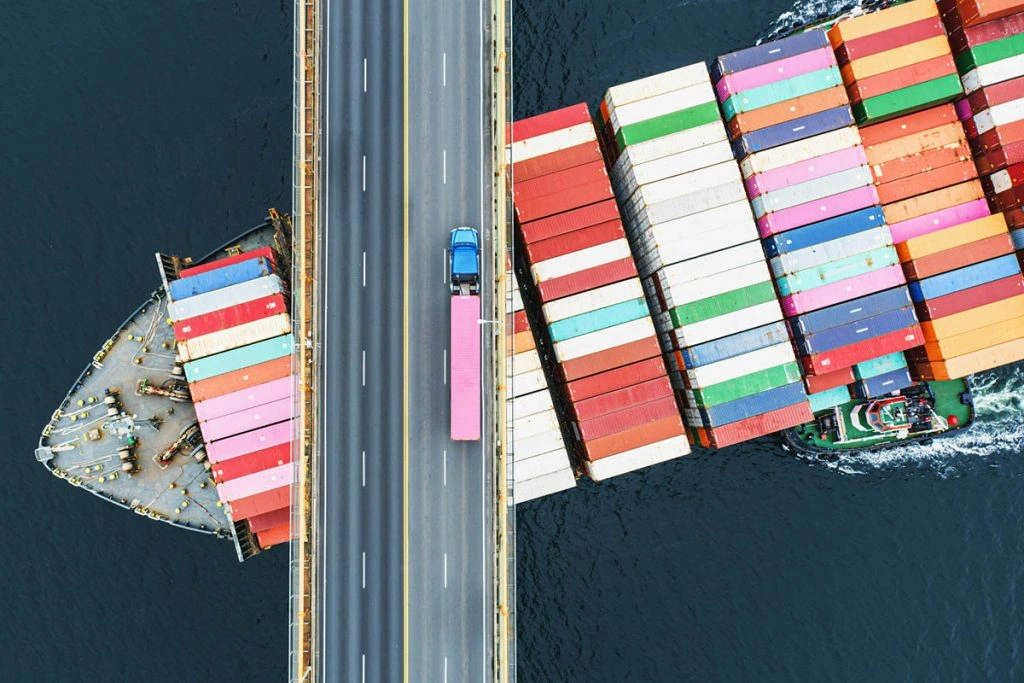
The era of hoarding masks and sanitizing wipes may have passed, yet the supply chain disruptions born during the pandemic haven’t vanished entirely. While some problems were resolved, 2025 has brought a fresh wave of obstacles. From erratic weather patterns to international tensions, interruptions in supply networks could affect your ability to get everyday items.
Below we outline the products most at risk from 2025’s supply chain problems, along with practical suggestions to help you prepare.
Why Supply Chain Disruptions Linger
Supply chains depend on a careful equilibrium of labor, transportation and raw materials. When any of these components is disturbed, the effects ripple downstream. Here are several major forces straining supply chains in 2025:
- Severe weather and climate-related events: Natural disasters and extreme climate episodes can cause transportation hold-ups, preventing goods from reaching their destinations on time.
- Geopolitical friction: Ongoing trade disputes have compounded existing weaknesses in global supply chains, particularly affecting businesses that import components and finished goods.
- Workforce shortages: The U.S. faces a deficit of roughly 1.7 million workers, with participation rates below pre-pandemic norms. Fewer workers to grow, manufacture and transport goods inevitably leads to delays.
- Transport chokepoints: Ports worldwide are experiencing congestion, while trucking and rail sectors struggle to meet demand, creating logistical bottlenecks.
- Rising expenses and inflation: Although inflation has eased this year, it remains elevated versus pre-pandemic levels. Higher costs for transport and materials force companies to reevaluate distribution strategies.
“Supply chain difficulties continue because global logistics are still built on fragile just-in-time frameworks,” says Marcus Lee, co-founder and veteran financial advisor for VA Loan Network. “Minor hold-ups in raw materials cascade through the system, particularly when capacity constraints like port congestion, driver shortages or limited semiconductor production coincide with rising demand.”
Items to Stock Now to Avoid Running Out
From supermarkets to pharmacies, many retailers could face depleted shelves this year. Based on current indicators, these are some products worth stocking up on now.
6 Food Items Vulnerable to Supply Chain Strains
Agriculture underpins the food supply. Weather-related crop losses and problems with packaging can affect what’s available at the grocery store. Below are six food categories most likely to see shortages in 2025.
1. Canned Vegetables and Soup
Aluminum shortfalls have hit the canned goods sector, and those issues are compounded when crop yields suffer due to adverse weather.
2. Pasta and Rice
Ongoing conflict in Ukraine has disrupted grain supplies, raising concerns about potential scarcities and higher prices for staples like pasta and rice.
3. Coffee
Major producers such as Brazil and Colombia have experienced climate-related disruptions, causing tighter supplies and price surges for coffee worldwide.
4. Baby Formula
The infant formula sector rebounded after the 2022 crisis, but it remains fragile. Limited manufacturers and strict oversight mean the industry could quickly be pushed into another shortage.
5. Frozen Fruits and Vegetables
Beyond crop damage from severe weather, processing facilities face staffing gaps and higher energy expenses, which affect availability of frozen produce.
6. Dairy Products
It’s hard to picture life without butter and cheese, yet elevated feed costs and shortages of veterinary staff have reduced dairy output.
6 Personal and Household Items to Consider Stocking
After filling your pantry, turn to essentials for the bathroom and cleaning closet. These everyday items may become scarce in 2025.
1. Toilet Paper
Toilet paper shortages could resurface. Tariffs on pulp used in production may lead consumers to scramble for preferred brands again.
2. Laundry Detergent
Supply chain pressures could affect laundry detergent through limited access to surfactant chemicals and disruptions to packaging supplies due to tariffs.
3. Deodorant
Deodorant formulas often incorporate aluminum, a material facing shortages. Packaging tariffs could also impact availability.
4. Feminine Hygiene Products
Tampons and pads rely on cotton, which has been strained by climate challenges and logistics constraints. Production of super-absorbent polymers used in these products has also been disrupted by extreme weather.
5. Toothpaste
Maintaining dental care may be harder this year as ingredients like calcium carbonate and sorbitol are experiencing shortages.
6. Dish Soap
Cleaning solutions may be affected by shortages of internationally sourced ingredients such as surfactants and preservatives.
Other Categories Hurt by Supply Chain Disruptions
Shortages go beyond food and personal care. Below are other items you may want to add to your shopping list as 2025 progresses.
1. Batteries
Pick up a multipack of batteries for your home toolkit. Demand for elements like lithium has surged because of the rise in electric vehicles, and supply is struggling to keep pace.
2. Pet Food
Don’t forget your pets. Pet food relies on a variety of globally sourced ingredients that could be delayed or limited.
Additional Shortages That Could Affect Essential Supplies in 2025 and Beyond
Beyond grocery aisles and household cupboards, several other products might face supply challenges this year. Consider these additional items to stock up on:
- Prescription medications: The American Society of Health-System Pharmacists (ASHP) maintains a list of current drug shortages. If you depend on prescriptions, monitor that resource and make sure you have an adequate supply.
- Cold and flu remedies: This season’s cold and flu wave could be worse than usual, partly because key ingredients are sourced abroad. Buy extra acetaminophen, ibuprofen and cough syrups now so you’re prepared for winter.
“One practical tip for consumers is to be mindful of the shelf lives of the items they stockpile so those goods remain usable,” recommends Aaron Razon, personal finance specialist at Couponsnake. “Rotate your stash regularly so the earliest items purchased are the first ones used. That helps maintain a fresh, usable reserve.”
Buy Ahead, Avoid Stress Later
Shortages can create anxiety, but building a modest reserve now can reduce the chance of panic buying later. Focus on items with long shelf lives and routinely check expiration dates to ensure everything stays usable. Supply chain disruptions can happen suddenly, so if you have room to store extras, it’s wise to keep a bit more on hand.
If you’d like more insights into what’s driving these issues, check out resources on supply chain issues and how they’re affecting seasonal availability like gifts supply shortages.
Alex Morgan is a freelance finance writer with over a decade of experience. Their work has appeared on multiple financial advice sites including Savinly, Money Under 30 and GoBankingRates.