Picture what you could achieve by putting away $1,000 a month: building a robust emergency cushion, chipping away at debt or stashing funds for a major purchase.
It’s not always simple, but it’s definitely within reach. Monitoring your spending, creating a budget, trimming unnecessary costs and cutting grocery bills are a few practical ways to save $1,000 in 30 days.
Here’s a step-by-step plan to save $1,000 in a month.
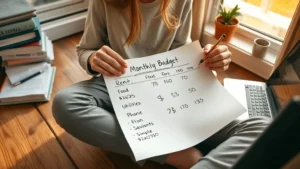
Monitor Your Spending and Create a Practical Budget

Let’s be honest: if you don’t track where your money goes, you won’t know how much you can realistically save. Want to accelerate your savings? The first action is getting a clear picture of your finances.
Why This Works:
Lots of people underestimate how much nonessential purchases add up each month. Even tiny expenses can accumulate rapidly. By carefully watching your spending patterns, you’ll spot cash drains and be able to make adjustments.
How to Get Started:
Use a Budgeting App: A handy way to monitor expenses is with a budgeting tool such as YNAB or Rocket Money. These apps categorize spending, reveal overspending and help you set realistic savings targets. Once you understand your habits, wasteful areas — like impulse buys or eating out — become obvious.
Set a Concrete Savings Target: To save $1,000 in a month, you’ll need to set aside about $33.33 per day.
Create a Budget: With insight into your expenses and your savings target, it’s time to draft a budget. One helpful method is the 50/30/20 rule: dedicate 50% of income to essentials, 30% to wants and 20% to savings.
Trim Nonessential Expenses and Choose Cheaper Options
After pinpointing where money leaks out and setting up a budget, review your spending to identify areas where you can cut back.
Why This Works:
Tiny shifts in daily habits can produce meaningful savings over time.
Ways to Reduce Spending:
Cook at Home: Preparing meals at home instead of ordering takeout or dining out is one of the most powerful cost-cutting moves.
Pack Your Lunch: Bringing lunch from home rather than buying it each day can save roughly $150 monthly.
Cut Transportation Costs: If gas is straining your budget, consider public transit or carpooling as alternatives.
Use Cashback Apps: Cashback apps return money on everyday purchases. A favorite free option is the Upside app, which helps you earn cash back on items like gas, groceries and dining without extra hassle.
Estimated Savings
Meal prepping could save $200–$300 per month, reducing restaurant meals could add about $100 in savings, and skipping three coffee outings a week could save around $50 monthly. Using the free Upside app might net you up to $290 per year on gas, groceries and dining.
Reduce Auto Insurance Costs to Free Up Cash
You might be overpaying for car insurance. If you want straightforward ways to lower expenses, review your auto policy.
Why This Works:
Many people don’t realize they’re paying too much for car coverage, making it a prime area to cut costs. Changing insurers or reducing your premium can save roughly $500 a year — about $40 per month.
How to Lower Costs:
Ask About Discounts: Call your insurer to inquire about discounts such as good-driver pricing, bundling multiple policies or low-mileage reductions.
Adjust Your Policy: You might switch to a higher deductible or explore usage-based insurance, which bases rates on your driving habits, to lower premiums further.
Shop Around: The Savinly Auto Insurance Tool can help you find policies that might save you $500 or more annually. Enter a few basic details about you and your vehicle, and the tool compares tailored options so you don’t have to search multiple sites.
Estimated Savings
Negotiating or changing providers can yield about $500 per year in savings, roughly equal to $40 monthly.
Cut Grocery Bills Without Compromising Quality

You need to eat, but there are easy methods to lower grocery spending without dropping quality.
Why This Works
Groceries are necessary, but overspending there is common. Small changes can reduce grocery costs by $100–$200 a month.
How to Save
Plan Meals: Meal planning dramatically helps your budget. A shopping list based on planned meals curbs impulse buys and unnecessary spending.
Choose Store Brands: Opting for store-brand products instead of name brands often yields substantial savings — store brands can be about 30% cheaper.
Use Savings Tools: Free tools like Capital One Shopping (a browser extension) can help you uncover deals and stack discounts.
Buy in Bulk: Purchasing bulk items at warehouse stores such as Costco can lower per-unit prices for staples and household goods.
Estimated Savings
Implementing these tactics can save you between $100 and $200 monthly on groceries.
Cancel Subscriptions and Bargain on Monthly Bills
Recurring subscriptions and ongoing bills can stealthily erode your budget if left unchecked.
Why This Works
People often keep paying for services they no longer use — streaming accounts, gym memberships or app subscriptions. Cancelling forgotten subscriptions instantly frees up money for savings.
How to Save
Cancel Unused Services: Use a subscription tracker like Rocket Money to uncover and cancel unnecessary recurring charges.
Negotiate Service Fees: Call your internet and phone providers to ask for discounts, promotional offers or loyalty perks. These conversations can result in meaningful monthly savings.
Share Streaming Accounts: If a streaming service still brings you value, consider sharing the subscription with family or friends to split the cost.
Estimated Savings
Cutting unused subscriptions and negotiating lower rates can free up about $50–$150 per month.
Explore Easy Ways to Earn Extra Income
Lowering costs isn’t the only route to a savings target — boosting income can accelerate reaching $1,000 quickly.
Why This Works
Side hustles and freelance gigs can provide a helpful income supplement.
Quick Income Ideas
Earn with Rewards: Cashback and rewards programs like InboxDollars or KashKick let you earn money by taking surveys, shopping or using participating services.
Do Gig or Freelance Work: Platforms like Fiverr and TaskRabbit offer opportunities to sell your skills or complete small jobs for quick pay. Delivery services like Uber Eats or DoorDash are other options.
Sell Unused Items: Clear out clutter and make money by selling items on Facebook Marketplace or eBay.
Rent Out Space or a Vehicle: Renting a spare room on Airbnb or listing your car on Turo can add to your monthly income.
Potential Earnings
Side gigs typically bring in between $200 and $500 per month.
Automate Your Savings to Keep Momentum

We appreciate efficiency, so automating your savings is a top recommendation.
Why This Works
Automatically transferring money to savings reduces the temptation to spend it and makes saving a habit rather than a chore.
How to Automate Savings
Open a High-Yield Savings Account: A high-yield account earns a better interest rate than a standard savings account, helping your money grow faster.
Set Up Regular Transfers: If you arrange automatic transfers of $250 each week, you’ll quickly advance toward your goal — you won’t miss what you never see in your checking balance.
Use Round-Up Apps: Apps like Acorns round up purchases to the nearest dollar and invest the spare change, making saving simple and mostly invisible.
Estimated Impact
If you automate saving $10–$20 per day, you’ll accumulate $300–$600 monthly, putting you on a strong path to saving $1,000 per month.