Now that shops, eateries, salons and fitness centers are reopening nationwide, people are loosening their purse strings again.
But after the initial rush to revert to previous spending patterns, many of us may choose to hold onto some of the cost-conscious practices we adopted while living with restrictions.
Below are several money-smart habits that are useful to maintain.
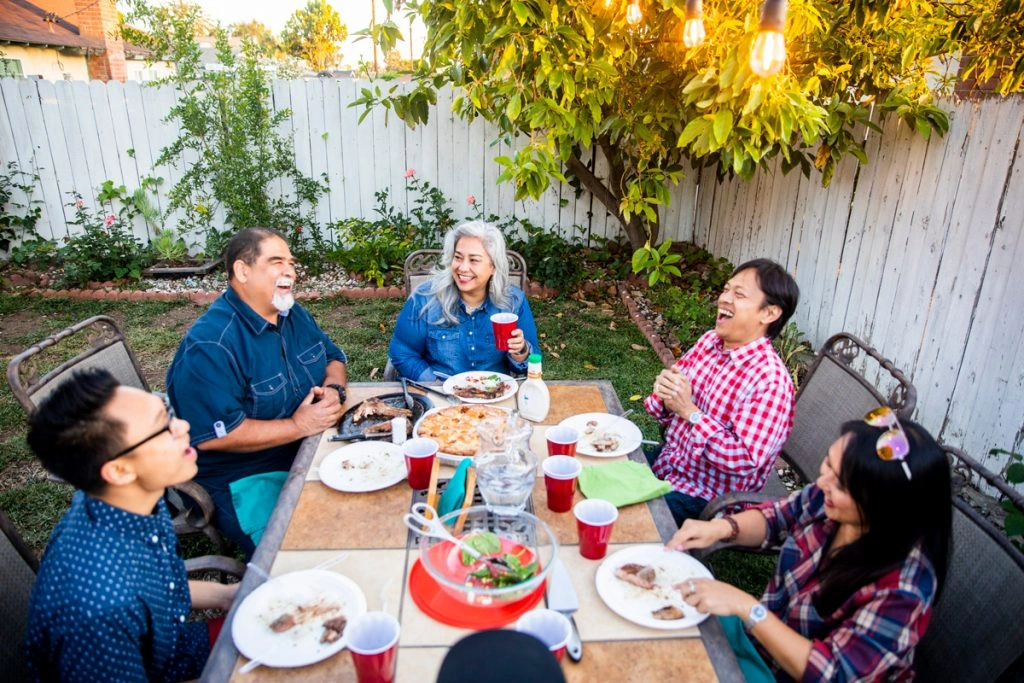
- We found that driveway happy hours where friends bring their own drinks are just as enjoyable as heading downtown and running up a $25 bar tab.
- We discovered the freedom of relying on the clothes already in our closets rather than spending a Saturday — and hard-earned cash — at the mall.
- We experimented with different parts and paid less attention to visible roots.
- Movie nights in pajamas with popcorn are cozier and more convenient than going to a cinema. (And roughly $50 cheaper for a family of four.)
- When gyms shut down, we tapped into a wealth of free online classes from yoga to boot camps and reconnected with the mood boost of getting outside for a run, walk or distanced workout with friends.
So as options beyond jigsaw puzzles and at-home dye jobs return, sticking to even half of these frugal habits can lead to substantial savings.
Eating Out
Americans spend about $3,459 a year on food and drinks eaten away from home, according to Howmuch.net. Cutting back on dining out doesn’t require throwing extravagant dinner parties. Friends can BYOB and bring a dish. (Remember potlucks?)
Also, takeout generally costs less than dining in. There’s a smaller tip or none at all, and beverages at home are cheaper. Many beloved restaurants offer tasty and efficient takeout that will remain available even as indoor and outdoor seating reopens.
Eating out half as often could save $1,729 annually.
Hair Care Services
Men spend roughly $350 a year on haircuts. If they keep asking a spouse, partner, child or parent to trim their hair monthly, that’s the equivalent of a car payment.
Women spend a staggering $960 a year on hair care and products, according to Prismaxusa. Stretching salon visits from every six weeks to every ten weeks eliminates about three appointments a year, saving roughly $400 annually.
Hair Care Products
Many women who used to shampoo daily realized their hair looked fine for a Zoom call when washed every three or four days. (Thanks to the messy bun.) Washing less often means shampoo bottles — from $3.99 up to $25 for salon brands — need replacing less frequently.
Makeup
Women also used less makeup while staying home. It didn’t feel necessary for a quick grocery run or a virtual happy hour. A 2017 Groupon survey found women spend about $91 a month, or $1,092 a year, on facial products.
If you grow comfortable with a more natural look most days and cut makeup use by a third, you could save about $364 a year.
Buying Clothing
Working remotely and going out less made pajamas the wardrobe essential. As people begin to leave home more, the outfits already hanging in the closet may seem fresher due to reduced wear. During lockdown, avid shoppers often stopped visiting stores and discovered hobbies like cooking, yoga or gardening — activities that can be more rewarding anyway.
A study from Creditdonkey.com found consumers spend an average of $161 a month on clothing. Cutting that in half would save $966 a year.
Exercise
The typical American spends $1,860 yearly on health and fitness, including gym fees, according to a 2020 GoBankingRates report. When gyms were closed, we found numerous free online workouts, yoga sessions and guided meditations. Before rejoining an expensive gym, consider whether at-home routines are sustainable long-term. Or set up a simple home gym for under $100, or improvise weights and equipment from household items.
You might also save by keeping a paid digital membership, such as the Peloton app, which is $13 a month and offers hundreds of classes beyond cycling — no bike required. That’s $156 a year versus $1,860.
Fewer Trips to the Market
Medical experts encouraged us to limit grocery runs to once weekly. Morning shows aired chefs demonstrating how to use every scrap of produce or make substitutions instead of making a trip for one onion or a teaspoon of curry powder.
This approach avoids buying ingredients deemed “essential” for a dish and the ten other items we inevitably toss into the cart even though they weren’t on the list.
Sticking to one grocery trip a week consistently will add up to meaningful savings.
Sharing Toys and Tools
When stores closed and kids grew restless, families swapped toys that were cleaned and shared with friends. Adults exchanged puzzles and books.
With sheltering prompting many to tackle long-postponed home projects, neighbors borrowed drills or hedge clippers instead of buying new tools at the hardware store. If these habits continue, sharing will translate to less spending.
Do It Yourself
Instead of hiring a plumber or calling a handyman, YouTube tutorials helped many of us fix a leaky faucet or locate studs to hang a heavy mirror. Homeowners reportedly spend about $2,000 a year on home upkeep, Savinly found.
If DIY projects reduce that bill by just 25 percent, you’d save $500 a year.
April Jensen is a freelance writer and editor based in St. Petersburg, Florida.