Thanks largely to Jack Sparrow, pirates have become romanticized figures in popular culture.
But pirates are criminals, and their activity isn’t limited to ships or coastal towns.
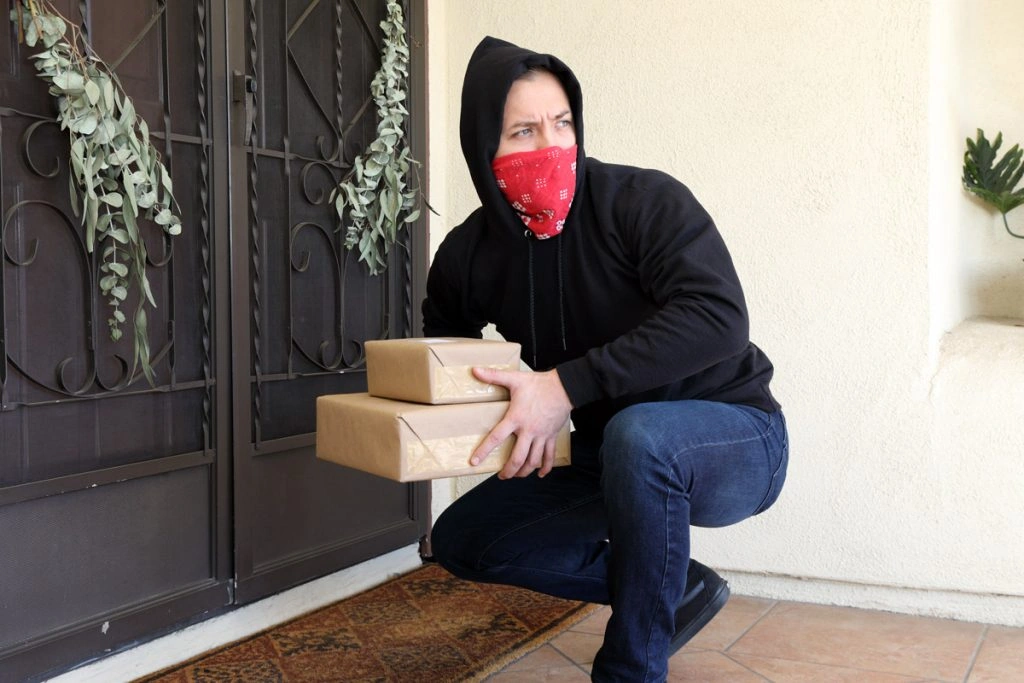
They also operate in residential areas as porch thieves, snatching packages left by major delivery services like Amazon, Walmart and other large retailers.
Fortunately, there are practical steps you can take to deter these porch thieves so you can shop online with confidence, knowing your deliveries will arrive safely.
7 Strategies to Prevent Porch Piracy for Good
A SafeWise report discovered that in 2022, 79% of online shoppers experienced package theft during the year, accounting for roughly $19.5 billion in losses.
Of those surveyed, 35% reported having some form of security camera or video doorbell when the theft occurred (and 17% actually recorded the thief on video).
Only 8% said they had a lockbox or package delivery locker in place.
The SafeWise study also found that porch piracy prompted 26% of victims to install a home security system after the incident, and nearly half of those affected mobilized neighbors to help protect packages in their community.
Want to keep your deliveries safe from porch pirates? Here are seven helpful tips.
1. Provide Delivery Instructions
Many online retailers allow you to leave delivery instructions, such as placing packages in a concealed spot. While requests aren’t guaranteed, delivery drivers are often attentive to specific directions. Notes like “leave on back steps” or “upstairs neighbor can sign” can increase the chances your parcel reaches you.
If you see your regular USPS, UPS or FedEx driver, you might be able to relay special instructions in person. Bear in mind, though, your local carrier may already know the best hiding spots around your property.
2. Coordinate With Neighbors
If neighbors order frequently as you do, coordinate with them to reduce package theft. If your schedules alternate or overlap, agree to collect each other’s deliveries when they arrive so thieves won’t have the chance to steal them.
3. Ship Items to Your Workplace
Depending on your job and workplace policy, having packages sent to your office instead of home can be a safer option, since deliveries there are often supervised.
Bringing items home afterward may be inconvenient, but if you want a package watched immediately, your workplace could be the best choice.
4. Use a Package Acceptance Service
This is not the least expensive option, but it can be the most secure. Some businesses will accept deliveries for customers for a modest fee. Search online for “package delivery acceptance services” to find options in your area.
5. Choose an Amazon Locker
It’s not as effortless as doorstep delivery, but if you prefer your Amazon purchases to go to a secure spot, add an Amazon Locker location to your account.
Amazon places the package in the locker and emails you a six-digit pickup code when it’s ready. Lockers are installed in stores, apartment complexes and malls nationwide, offering convenient pickup times in evenings or weekends.
If you’re a Prime member, locker use is free.
6. Monitor Your Tracking Closely
Use the tracking tools provided by carriers to narrow down your delivery window and plan accordingly.
You can usually enroll in text or email alerts for shipment status. If you miss a required signature, many carriers let you reroute the delivery to a service center like the UPS Store, avoiding repeated doorstep attempts.
The postal service also offers Informed Delivery, which emails images of the mail scheduled to arrive that day.
7. Make It Clear You’re Watching
If you’re willing to invest more, doorbell cameras and home security solutions like Ring or Nest let you keep tabs on your entryway — and footage can help police apprehend porch thieves. These devices send motion alerts to your phone and record activity around your door, sometimes capturing passing cars as well as people.
Because these cameras are visible, they often discourage thieves who don’t want to be recorded.
If a theft occurs, timestamped video and tracking records can support claims with your credit card company for reimbursement or help you obtain a replacement from the retailer.
Alex Hart is an experienced journalist who has focused on personal finance topics since 2013. He contributes to Savinly.