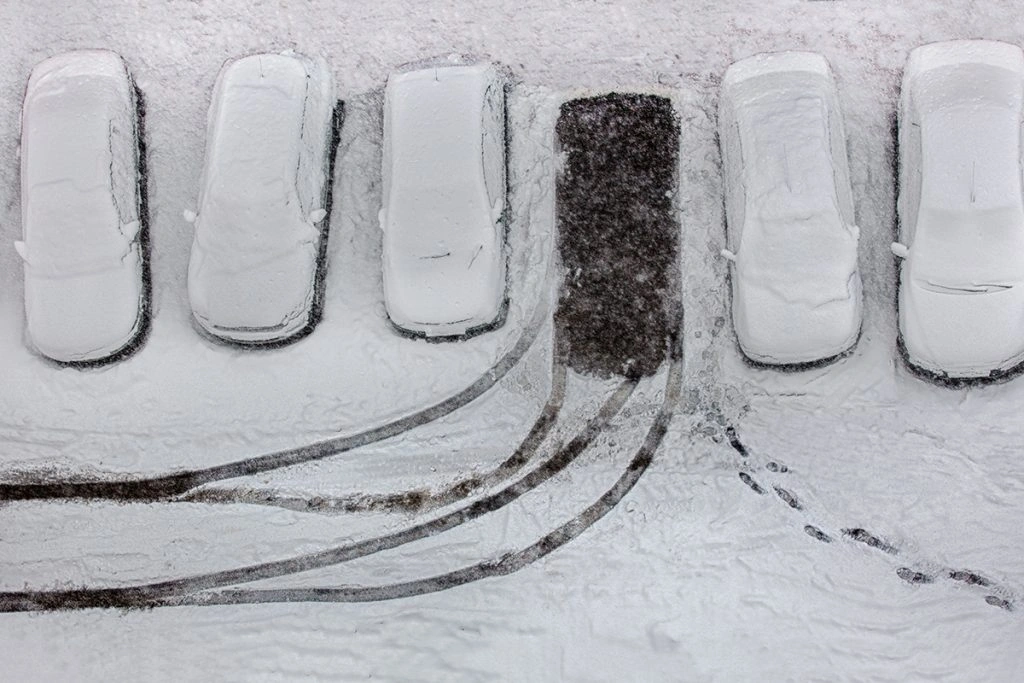
Like it or not, the cold season is on its way. And it returns each year. If you drive where snow, ice and freezing temperatures occur, winter tires might be the difference between staying safe and getting into trouble on the road.
In a recent survey commissioned by Michelin, 67% of people felt they didn’t require winter tires because they used all-season tires. Likewise, 53% of respondents believed winter tires weren’t necessary if their vehicle had all-wheel drive.
Yet the Tire and Rubber Association of Canada notes that winter tires:
- Help prevent crashes and fatalities.
- Lower hospital emergency expenses.
- Reduce the need for emergency responses during winter months.
- Decrease insurance claims (both in frequency and amount).
- Alleviate traffic jams.
Put simply: Many drivers in colder regions are at risk every winter and may not even realize it.
Benefits of Winter Tires

To better understand winter tires, I spoke with Lauren Fix, aka The Car Coach, and Richard Reina, an automotive veteran who now serves as product training director for CARiD.com. Fix pointed out that while all-wheel-drive systems improve traction, drivers still face longer braking distances and handling problems in snowy conditions.
Winter tires are engineered to address both concerns. “Modern rubber compounds are formulated to provide maximum grip in very cold temperatures, so it’s not only about the aggressive tread design,” Reina explained. Indeed, in traction terms, a fresh set of all-season tires is comparable to half-worn winter tires. A study even found that winter tires can reduce stopping distance in wintry conditions by about 35%.
“If you expect to keep your vehicle for a number of years, think about mounting winter tires on dedicated wheels,” Reina suggested. “Although the upfront expense looks steep, the convenience and lower cost of seasonal swaps make the outlay worthwhile.”
Price is often the biggest barrier to buying winter tires. A decent set can run up to $1,000, particularly if you follow Reina’s advice and mount them on separate wheels. Shoppers hoping to cut costs can look for discounts and promotions—some retailers offer deals and coupons.
However, the expense is largely balanced by the extended life you get from splitting use between all-season and winter tires. If you leave all-season tires on your car all year, you’ll likely replace them every three to four years. But if you switch between all-season and winter tires seasonally, both sets combined can last six to eight years.
More crucially, winter tires do help prevent accidents. They won’t stop every crash, but they prevent many. Beyond protecting you from injury or worse, they can spare you a large repair deductible and prevent sharp increases in your monthly insurance rates.
Drawbacks of Winter Tires

The primary downside to winter tires is the initial cost, but you should also factor in the expense of switching the tires at a shop twice a year. (Again, having tires on dedicated wheels cuts down these semiannual costs.)
Storage presents another problem. With two sets of tires you’ll need space to store four tires year-round. If you lack a garage or shed, or live in an apartment, you might need a paid storage option. And for owners of small cars, transporting four tires to and from the mechanic can be a hassle.
In the end, the safety benefits and potential insurance savings make winter tires a sound investment if you can sort out a practical storage approach.
What to Look for in a Winter Tire

As with many purchases, pricier winter tire brands often earn stronger reviews and safety scores. Still, their price tags can be intimidating.
Fix shared a few pointers to help you pick winter tires without overspending just because a name is familiar. “Tires bearing the mountain-and-snowflake symbol meet or exceed industry standards and are intended specifically for cold-weather and severe snow use. Also seek out tires that come with a 40,000-mile warranty,” she advised.
Last winter, InsuranceHotline.com listed the top 10 winter tires of 2017. While rankings may shift somewhat this season, those models remain worth considering.
Additional Winter Driving Tips

Winter tires and all-wheel-drive systems are excellent defensive measures, but there are additional steps you can take to stay safe on icy roads.
“One of the simplest and least expensive upgrades is replacing your wiper blades, and using 100% washer solvent for your windshield,” Reina recommended. “Also walk around your car to confirm that all headlights and taillights are functional.”
More importantly, adapt your driving for snow and ice. Reina warned, “The biggest mistake drivers make is going too fast for conditions. This doesn’t only mean people who speed wildly in snow; it also includes drivers who rely on all-wheel drive and mistakenly assume they have better handling and braking. Increased traction does not equal improved stopping or steering.”
Savinly’s own readers have even more suggestions for safe winter driving, and it’s smart to prepare a winter emergency car kit for your vehicle. When shopping for seasonal rubber, consider checking guides for the best cheap tires if budget is a priority.