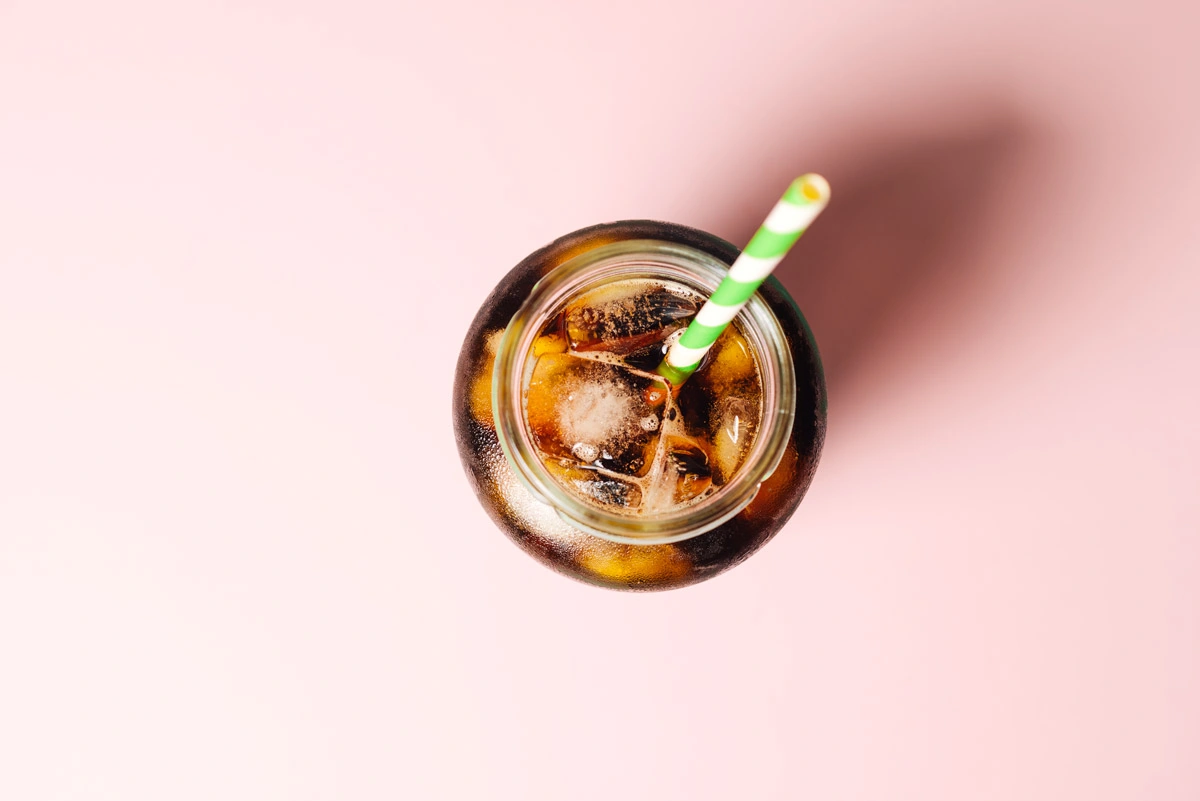
Smoother and less sharp than regular drip or iced coffee, cold brew has become one of the fastest-expanding sectors of the coffee market in the United States.
Sales have more than tripled since 2015, with revenue projected to approach nearly $372 million this year, and to crest close to a billion dollars by 2025. That’s a whole lot of $4 cups — the typical price for a 20-ounce drink at Starbucks. A 40-ounce container of Stok cold brew runs nearly $5 at many grocery stores.
So what exactly is cold brew? How is it distinct from iced coffee? Why do so many people become obsessed with it? For some, that initial taste of a Starbucks cold brew is all it takes. It’s that appealing.
“Hot coffee takes too long to finish and there are plenty of ways it can go wrong. Cold brew is more reliable and I can drink it immediately,” said Susan O’Neil, a project coordinator for the city of Chicago. “I drink 20 to 40 ounces daily since I quit soda.”
What Makes Cold Brew Different?
Cold brew is surprisingly straightforward. It’s simply coffee and water. Instead of brewing with heat, you create a concentrate by soaking the grounds in water for eight hours or more. After steeping, the mixture is filtered and ready to be diluted with water or milk, and served either chilled or warmed. Coffee shops typically use a 1:4 concentrate-to-water ratio for serving.
The big appeal of cold brew is its low acidity. That lower acid level makes each sip feel silkier, reduces bitterness, and lets subtler flavors come forward. Cold brew also provides a clean canvas for added flavors. Some coffee fans, though, may miss the brightness and complexity that acidity provides.
Does cold brew pack more caffeine? That depends on who you ask. Retailers often suggest it does, but they’re usually talking about the undiluted concentrate — which most people then water down for drinking.
Hot brewing extracts more of everything — flavor compounds, acids and caffeine — because heat pulls more from the grounds. Cold brew extracts less of those components, though the coffee-to-water ratio in concentrate is typically higher. Many drinkers also consume larger servings of cold brew compared with hot coffee.
If you prefer decaf, don’t worry — you can make cold brew using decaffeinated beans. The result is generally much better than the stale, iced decaf you might get at a shop.
Cold Brew vs. Iced Coffee
Iced coffee is simply hot-brewed coffee that has been cooled. It may have been brewed earlier and refrigerated or poured over ice when served. Because it was brewed hot, all the oils and acids from the beans are present in the final cup.
Cold brew tends to cost more at cafés because it takes more care to prepare. Estimating how much to make for the next day without running out requires practice.
“We use a particular coffee for our cold brew (Vesuvio blend from Batdorf auf Bronson),” says Teresa Vidal Chalkley, owner of The Chelsea St. Pete, a coffee shop that opened during the pandemic in St. Petersburg, Florida. “We use a pound of coffee per gallon of good spring water, with a touch of minerals. Then we filter using bamboo and cloth filters.”
Make Cold Brew at Home
Buying cold brew every day can easily add up to more than $1,400 annually. If you enjoy cold coffee and can plan ahead a bit, prepare a cold brew concentrate at home and you can cut that cost by half or more.
There are ways to make cold brew that suit any budget. You can invest in an excellent grinder, a water purifier, a French press, and quality beans. That setup can cost around $250 or more, rising if you choose premium gear.
Before splurging on a $100 Fellow Clara French press, look around the kitchen: a pint or larger Mason jar, some filters, ground coffee and water are enough to get started.

Three Approaches to Making Cold Brew at Home
Below are three scenarios to match different budgets so you can prepare cold brew at home. There’s an approach for every pocket and palate. Once you learn the basics, you can tweak recipes to suit your preferences.
Chalkley recommends a pound of coffee per gallon to produce a concentrate. You can adjust that ratio to achieve the strength you prefer. Properly stored in the fridge, cold brew concentrate can keep up to two weeks without losing flavor. If you don’t want concentrate, try about 3 ounces (roughly two and a half scoops) per quart of water.
(Almost) Zero Budget
The cheapest method uses items you probably already own. No fancy cold brew device required. You’ll need a lidded jar (a Mason or a cleaned spaghetti sauce jar works), coffee filters, a sieve, ground coffee, and water. A common cold brew ratio is 1:4 — one part coffee to four parts water. Cold water isn’t mandatory; filtered water yields better results.
Use coarsely ground beans (most supermarkets offer grinders). Place the grounds in the jar, add water, and shake well. Refrigerate or leave at room temperature. Let it steep a minimum of eight hours.
After steeping, line the sieve with a coffee filter and set it over a wide-mouthed jar or glass. Allow the brew to drip through slowly (gently squeeze the filter if it’s too slow). Taste and dilute with additional water if it’s too concentrated.
Cost: $388 for coffee and filters per year.
Mid-Range Budget
Straining is the fiddliest part of DIY cold brew. A French press solves most of that hassle. It not only simplifies disposing of grounds but also makes concentrate that keeps several days. A French press ranges from $10 to $40 — choose one that holds at least 20 ounces.
There are also purpose-built cold brew systems. The Toddy (named after Todd Simpson, who popularized cold brew in the U.S. in the 1960s) starts around $40. Other designs like the $18 Primula Burke feature removable bottoms to make disposing of grounds easier.
Grinding beans fresh for each batch produces brighter, more flavorful cold brew. Grinders range from about $16 to several hundred dollars. Using filtered water also improves taste.
Experts advise against splurging on ultra-expensive beans for cold brew — it’s not the time for rare Kona — though decent beans elevate your morning cup.
Cost: $500 to $780 per year (including equipment)
High-End Setup
“Coffee tastes better in specialty cafes like ours because of the equipment,” says Chalkley of The Chelsea St. Pete. You can create a professional-level system at home with Toddy’s Pro Series for about $500.
If you need cold brew immediately, consider the Cuisinart cold brew maker, which claims to produce cold brew in 25 to 40 minutes by agitating grounds. It retails near $200 but often sells for much less online.
Cost: $1,020 for a year (roughly comparable to frequent café purchases).

5 Tips for Making Better Cold Brew at Home
- When using a French press, mix the grounds and water in a jar first and shake well, then pour into the press to avoid a mess.
- Room-temperature water works fine — cold water is not required. Filtered water will improve flavor.
- Allow the mixture to sit uncovered briefly so any gases can escape before sealing.
- Experiment with additions to your concentrate — a cinnamon stick, a dried chili, or other infusions can be steeped with the grounds.
- For a smooth hot cup, add hot water to concentrate at a 1:3 ratio of concentrate to water.
Savinly contributor JoEllen Schilke writes about lifestyle and culture. She is a former coffee shop owner in St. Petersburg, Florida, and has hosted an arts program onWMNFcommunity radio for nearly 30 years.