Summer vacation is an ideal season for families to spend quality time together outdoors and indoors, but it can also mean extra expenses keeping the kids occupied all day. One excellent way to fill an afternoon is to take the crew to a museum. Whether you travel to a well-known museum in another city or visit a neighborhood exhibit for a few hours, these suggestions will help you enjoy a memorable day without breaking your summer budget.
Cut Costs on Museum Entry
Confirm that admission fees are reasonable before you embark on your cultural excursion. Ticket prices at museums can vary depending on popularity, the day of the week, and even the hour. Use these strategies to get the best deal on admission.
Check the Local Events Calendar
Your town might host “museum days” or even “museum months” that grant free access to participating institutions.
Some museums schedule regular free admission days. For instance, the Museum of Fine Arts in Boston runs Free Days throughout the year, including Memorial Day and Free Fun Friday (July 21). Look at the museum’s site or a local news outlet to learn when you can enter for free. You can also keep an eye out for free museum day announcements.
Pick the Right Date

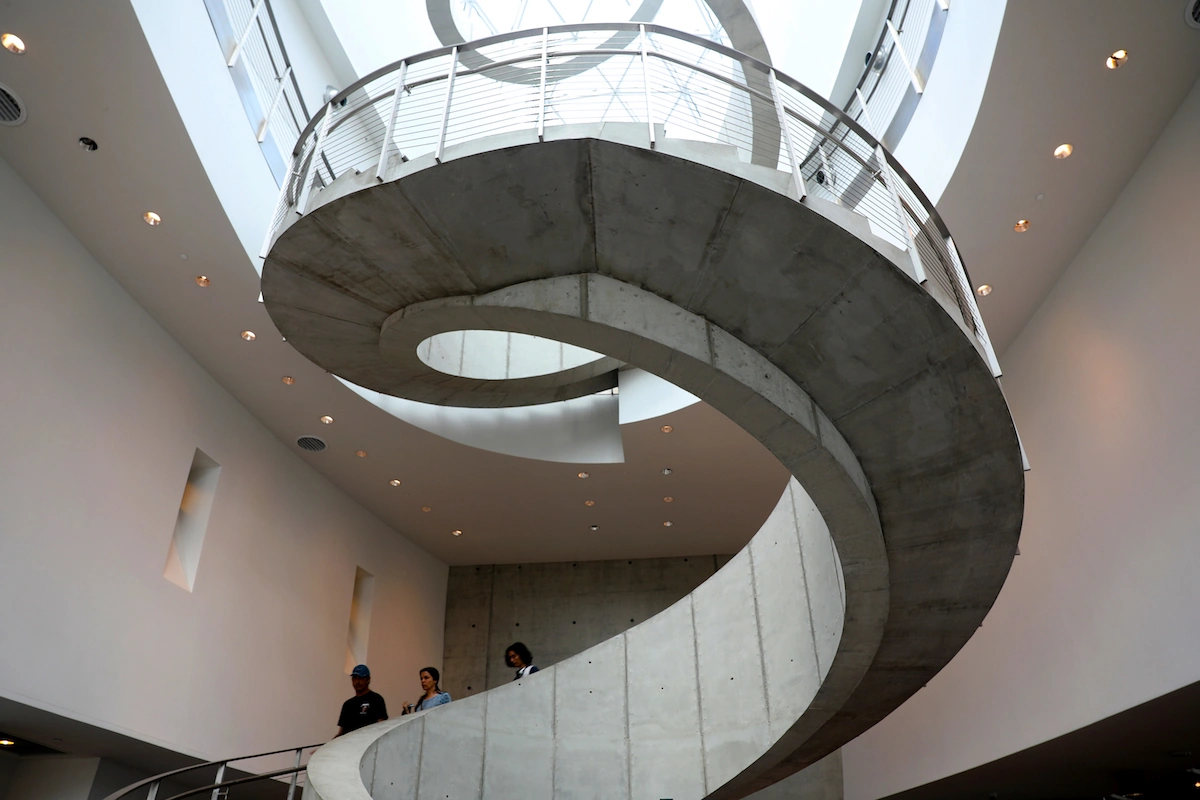
Many museums provide reduced or free admission during specific hours or on certain days each week. For example, The Dali Museum in St. Petersburg, Florida offers $10 tickets for adults, seniors and students on Thursdays (regularly $24).
Find out which local museums have such offers that don’t carry extra conditions. Remember that discounted or free time slots are often on weekdays and tend to attract larger crowds.
Search for Discounts and Coupons
If you qualify as a student, senior, or member of a particular organization, you’ll likely get reduced or complimentary admission at some places. At the Field Museum in Chicago, for instance, active military members receive free basic admission, while seniors and students get $1 off standard tickets.
For others, stop by a local visitor center or hotel lobby to see if they have coupons.
Visitor centers often list deals for noteworthy attractions and eateries. The Central Florida Visitor Center provides many discounts for popular spots in Kissimmee and Orlando like LEGOLAND.
Buy a City Pass

Many major cities sell an all-in-one pass to several top attractions, which often include museums. Bundling can yield significant savings and lets you explore multiple attractions. The Atlanta CityPass grants access to five major venues at about a 40% discount and gives you nine days to visit them all. This is ideal for families spending a night in the city or locals who want to split visits across days, though five stops might be a lot for young children.
Consider a Membership

If you live near a museum, especially one that rotates exhibits frequently, a membership can be a worthwhile investment. It typically includes unlimited visits plus discounts in the cafe and gift shop. A Met Membership not only covers all three branches (Fifth Avenue, Breuer and Cloisters), but also gives members early or exclusive access to special events and exhibits.
Choose the Best Time to Bring Kids
There’s usually no age cutoff for bringing children to museums, but practical considerations exist. Keep these ideas in mind when deciding when to schedule your visit.
Which Museum Fits Your Child?

The key is choosing a museum appropriate for your child and deciding how long to stay. Children’s museums are typically hands-on and can occupy an entire day, while traditional art or history museums may be better suited to shorter visits before youngsters start getting restless.
Best Time to Visit
To maximize your experience, aim for a weekday visit before lunchtime. Many families arrive around noon or during free days, causing museums to become busier as the day progresses.
Avoid Field-Trip Days
Field trips are wonderful for students but can make a busy museum even more crowded. Call ahead to confirm there aren’t school trips or special events on the day you plan to go.
Plan Food for the Day

If you’re traveling for several hours, planning meals is especially important. Even for nearby trips, including a meal in your schedule takes some forethought.
Bring a Packed Lunch
Many museums, such as the United States Holocaust Memorial Museum in Washington, DC, permit visitors to bring food because they expect guests to be there most of the day. Pack a lunch plus a backpack with water and light, nonperishable snacks.
If the museum doesn’t allow food inside, keep a cooler in your trunk and use a picnic spot or nearby park for lunch.
Use Membership Perks for Food Savings

If you have a museum membership, belong to a partner club, or are a student, check whether the cafe offers discounts so you can save money without lugging a lunch.
For example, the Museum of Fine Arts in St. Petersburg and the Petersen Museum in Los Angeles both extend a 10% food discount to members.
Explore Nearby Dining Options
Museums are often situated near urban neighborhoods with restaurants that span a range of price points. Look for small, family-run spots to enjoy a tasty meal for less.
For instance, if you’re using an Atlanta CityPass, The Varsity is a well-known local eatery and a classic stop when visiting the city.
Manage the Gift Shop Temptation
If you bring kids, they’ll probably want a memento. With some forethought, you can avoid overspending in the museum store.
Decide When to Buy Souvenirs
If your kids are older and you’re touring a special exhibit, gifts in the store may be exclusive to that show or the museum itself and worth considering.
Keep a souvenir budget in mind while you look for ways to cut costs on admission and food so those savings can go toward mementos. Give children a Visa gift card when you enter the gift shop to set a firm spending limit.
Visitor centers occasionally provide coupons for museum merchandise. The Gettysburg Visitor Center, for example, currently has a coupon for $2 off items at the Lincoln Train Museum.
Because these coupons vary widely, don’t depend on them when budgeting your outing.
Shop Outside the Museum
Most gift shop items are often available at department stores or online for less. Buy them ahead of time and, if children ask in the shop, tell them there’s a “special surprise” waiting in the car.
That distraction can steer their attention away from the store and keep things smooth during your exit. You can even place the pre-bought items into a reusable museum bag so it looks like they came from the shop—kids typically won’t notice.
Keeping a family entertained while sticking to a budget can be challenging. Nurturing curiosity and cultural appreciation is another layer of effort. Take advantage of chances to introduce your children to art, history and science via museum visits. Those experiences can become cherished memories without leaving you with an ongoing financial burden.
Alexandra Stone is a writer and editor and the founder ofNotAdulting.com, a blog about trending topics and helping readers balance fun with responsibility.
Also look into useful resources like free museum passes to further reduce costs for your next cultural outing.