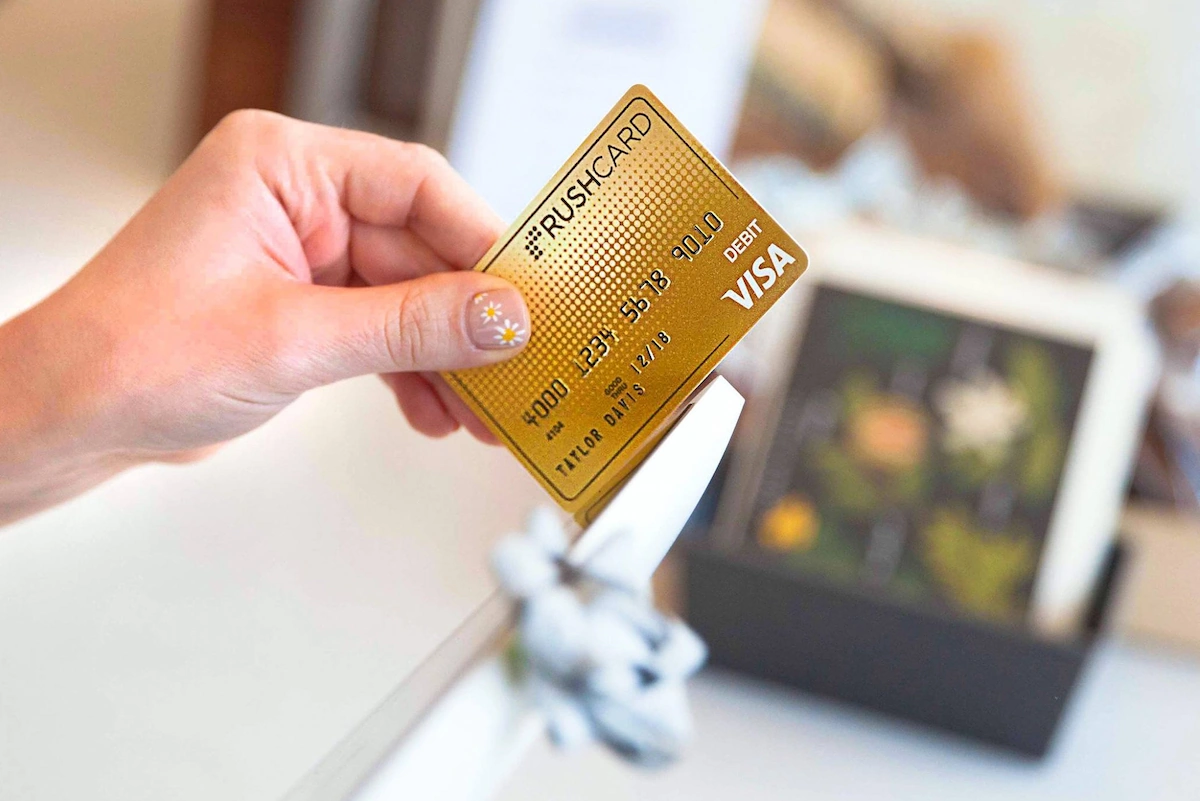
UniRush, co-founded by music producer Russell Simmons, introduced RushCard in 2003 as a new option for prepaid debit cards.
The company also made a notable pledge: customers using direct deposit would be able to access those funds two days earlier than usual availability.
However, a series of technical mishaps landed the firm in trouble during the fall of 2015. As a result, RushCard account-holders are set to share in $10 million in restitution following a Consumer Financial Protection Bureau (CFPB) probe that reviewed more than 800 complaints against UniRush.
In addition to the restitution owed to customers, Mastercard and UniRush will remit a $3 million civil penalty to the CFPB.
What RushCard Users Should Expect
UniRush will distribute funds directly to customers who were affected in October 2015; the amounts will vary by circumstance.
The minimum redress plan requires UniRush to provide customers the following compensatory payments for the disruptions caused by the flawed system conversion in October 2015:
- $25 to customers whose transactions were declined during the extended blackout period on Oct. 12, 2015.
- $150 to customers whose cards were flagged for suspected fraud because the payment processing platform wasn’t set up properly.
- $100 to customers whose accounts were incorrectly reported as having a $0 balance in October 2015.
- $100 to customers whose automated clearing house (ACH) deposits failed to go through during the conversion and its aftermath.
- $250 to customers whose ACH deposits were returned or could not be processed by UniRush in October 2015.
- $150 to customers who were unable to access funds in their accounts.
- $150 to customers who lost their cards or had them stolen but did not receive a working replacement.
- $150 to customers who loaded cash onto their cards but faced delays in posting.
- $50 to customers whose card-to-card transfers did not complete immediately.
Customers who experienced multiple of these issues may qualify for a larger payout from UniRush.
If you no longer maintain an active RushCard account, your payment will be sent by mail rather than by direct deposit.
So, Where Did Everyone’s Money Go?
UniRush selected Mastercard as its new payment processor in 2014, and a lengthy preparation period followed to ready the company for the transition to Mastercard’s system.
When the migration occurred in mid-October 2015, numerous technological problems left customers without access to direct deposits and paychecks. They also couldn’t withdraw cash, pay bills with their RushCards, or even retrieve account details, according to the CFPB. To make matters worse, customer support was reportedly limited during this bewildering stretch.
Customers were warned of a five-hour blackout scheduled for the early morning of Oct. 12, 2015, but the outage extended about three-and-a-half hours beyond the expected window, the CFPB found. Roughly 20,824 customers continued to experience trouble accessing and using their accounts over the following days, with issues persisting into subsequent weeks.
Although UniRush designed RushCard to give customers quicker, simpler access to direct deposits, the CFPB’s account of how UniRush “denied consumers access to their own money” during the technical failure is troubling for anyone who’s anxiously awaiting payday:
UniRush did not accurately transfer all accounts to Mastercard. As a result, thousands of consumers could not access funds stored on their cards for days, or in some instances, weeks. Because of Mastercard’s actions, accounts of about 1,110 consumers were incorrectly suspended. UniRush also delayed crediting cash deposits to consumers’ accounts and shut off access to certain funds consumers had earmarked for savings. UniRush did not provide a working replacement card to consumers whose cards were lost or stolen during this period.
Many readers might assume RushCard’s problems sound like a plot from a cyber-thriller or an episode of “Mr. Robot.” Yet the rapidly evolving financial technology landscape and our increasing reliance on instant, connected banking services create more opportunities for such breakdowns than most people anticipate.
Your Turn: Were you a RushCard holder? Are you expecting a check?