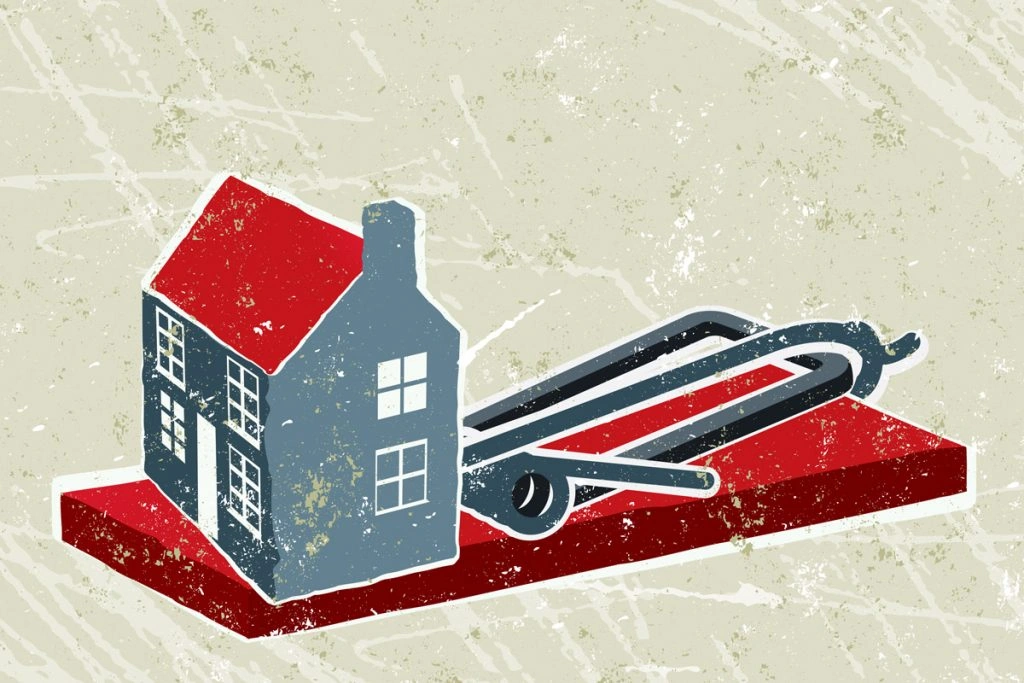
If a Zillow or Craigslist apartment posting appears unbelievably cheap, it likely is fraudulent.
Rental scams are on the rise as opportunists exploit people searching for affordable housing.
A man in New Bedford, Massachusetts, was indicted in September for allegedly tricking 15 individuals into handing over $22,050 in fake rental deposits. Most of the victims were Spanish-speaking and immigrant residents looking for budget-friendly housing.
Across the country, 11,578 people reported losing more than $350 million to rental scams in 2021, according to the FBI — a 64% increase from the year before.
Below are tips to recognize a scam and protect yourself.
How Do Rental Scams Operate?
Fraudsters often lift real listings for homes that are for sale or rent and repost them at bargain prices.
These hijacked ads keep the genuine address but swap the owner’s contact details for the scammer’s email and phone number.
Some scammers even adopt the property owner’s or broker’s name to create a bogus email address and make the scheme appear more authentic.
They then pressure prospective renters to send funds immediately, typically framed as a deposit or application fee to reserve the unit.
When it’s time to tour the property or collect keys, the alleged “landlord” vanishes.
5 Ways to Protect Yourself from Rental Scams
Our general recommendation: if you cannot meet in person, visit the apartment, or sign a lease before sending money, keep searching.
Here are five practical steps to shield yourself from rental fraud.
1. Scrutinize the Listing
If that roomy downtown apartment seems priced far below market, be wary.
Scammers post attractive rental photos and unrealistically low prices to attract as many applicants as possible.
Look for spelling mistakes and odd phrasing in the ad. Listings with poor grammar or strange wording are often indicators of scams.
2. Research the Details
Start by Googling the address to confirm the property exists.
Then search the names of the owner, real estate agent, or property management company. Check for negative reviews or warnings that they may be linked to fraud.
If you discover the same listing under a different name on another site, that’s a warning sign.
3. Inspect the Unit in Person
Never send money to someone you haven’t met for an apartment you haven’t seen.
If you’re unable to visit personally, ask a friend or family member to check the place for you.
Arrange to meet the property manager or agent at the unit. If they don’t possess a key to the rental (for any reason), be suspicious.
Living out of town and unable to tour in person? Request a video walkthrough. Make sure they show the entire unit and don’t try to rush the call.
4. Pause Before You Venmo or Zelle
Scammers often demand a security deposit, application charge, first month’s rent, or a vacation rental fee to “hold” the property.
If you’re in a hot market and your lease is ending soon, you might feel pressured to pay. Resist the urge to send money immediately.
Once you send funds via Zelle, Venmo, Cash App, PayPal or similar apps, it’s usually gone. Recovering money after a scam can be extremely difficult, if not impossible.
Avoid payments via wire transfer, cryptocurrency, or gift cards as well. If someone insists on those methods, it’s a clear red flag.
5. Don’t Accept Excuses
Refuse to be rushed into sending cash before you can see the property in person.
Scammers often offer a long list of reasons why they can’t show the apartment before you pay.
Being “out of town” or “overseas” is a common excuse.
Be skeptical if the poster suggests a drive-by as sufficient — peeking through windows is not the same as a proper tour. The actual owner may not even realize their home is listed as a rental.
If the poster does show up, verify that they actually have the keys. Don’t accept “I’m about to change the locks” as proof.
How to Report Rental Scams
If you encounter a suspicious rental post on sites like Zillow or Craigslist, report it to the website immediately.
If you’ve fallen victim to a rental scam, notify your bank or payment provider right away about any transfers. Also contact local law enforcement and the Federal Trade Commission.
You can also file a complaint with the FBI Internet Crime Complaint Center.
For additional reading on typical costs associated with renting, check out rental fees.
Alex Martinez is a Certified Educator in Personal Finance and a senior writer for Savinly.