
Whether from a blizzard, gale, flood or heat spell, power interruptions can be a hassle for households. In the height of summer and winter, when blackouts are most likely, they can also be hazardous by cutting off access to cooling and heating.
And if you don’t act quickly, fallen power lines and other outages can become expensive for your household.
So how can you keep costs down during a blackout? Our outage guidance covers everything from protecting pricey groceries to low-cost ways to stay cool or warm.
14 Power Outage Tips to Keep Costs Down
Power outages can sap your patience — don’t let them sap your wallet too. Here are 14 ways to reduce expenses when the lights go out.
1. Keep the Refrigerator and Freezer Closed
Even without power, the inside of your fridge and freezer can remain cold — for a time. They’ll require electricity to sustain chilly temperatures, but their insulation can hold in cold air for a little while:
- Four hours: A refrigerator will keep perishable items safe for about four hours.
- 24-48 hours: A half-filled freezer can protect food for roughly 24 hours. If it’s full, the contents are usually safe for 48 hours.
The catch? Each time you open the fridge or freezer door, that trapped cold escapes. Every opening shortens how long the food stays safe.
Do you habitually peek in the fridge for snacks? When the power’s out, place a chair in front of the refrigerator to remind yourself not to open it.
2. Invest in a Large Cooler
If you face a prolonged outage but don’t want to toss out a week’s worth of groceries, transfer perishable items into a large cooler. Budget models sell for about $60 and can keep ice from melting for up to five days.
Keep a bag of ice in the freezer. If the blackout affects many areas, you may need to drive farther to find a store that still has ice.
3. Throw Out Bad Food
It can hurt to discard expensive meat and dairy, but eating contaminated food isn’t worth the risk. Perishable foods become unsafe once they reach 40 degrees; consuming them after that point could cause foodborne illness. That might mean costly medical care if you need the ER — adding misery to an already bad situation.
4. Unplug Electronics
When power returns, major electronics can be vulnerable to surges. If you’d rather not replace a TV or laptop, unplug them. Appliances like the refrigerator, oven, washer and dryer are generally okay, but if you’re concerned, unplug everything if practical.
5. Use Surge Protectors
Don’t feel like groping through a dark house to unplug every device after an outage? Buy surge protectors instead. You can find power strip surge protectors for about $15. Place several around your home and plug sensitive electronics into them.
6. Don’t Use the Stove to Heat Your Home
If your residence relies on electric heat and you lose power in winter, you might be tempted to warm the house with a gas stove. As cozy as gathering around the oven may seem, using a gas stove to heat your home can cause carbon monoxide poisoning.
7. Invest in a Generator
If your area loses power frequently due to local weather, it may be worth buying a generator for safety and convenience. Entry-level generators can run around $300, while higher-end, more powerful units cost several thousand. When choosing how much to spend, weigh which devices are essential versus those that are nice to have.
But generators carry risks. Never operate one indoors. If possible, place the generator at least 20 feet from your home (and neighbors’) and always away from windows, doors and vents.
8. Use Portable Chargers for Your Cell Phones
Smartphones are indispensable during outages. They keep you connected to loved ones, provide storm updates and utility info, offer emergency guidance and can serve as a flashlight.
Having one or more portable phone chargers is useful, especially for multi-day power losses. You can also charge your phone in your car in a pinch, but that may drain your vehicle’s battery.
9. Buy Battery-Powered Fans
Power loss during a heat wave is miserable. Small battery-operated fans won’t match the comfort of air conditioning, but they deliver airflow that can offer temporary relief. You can find them for under $20.
10. Stay With Family and Friends
If the outage will last several hours or more, consider relocating, particularly in extreme temperatures. Relatives or friends in unaffected areas may welcome you — and might let you store perishables in their fridge.
11. Look for a Low-Budget Motel or Airbnb
If staying with someone isn’t an option and you need to evacuate for safety, a roadside motel or inexpensive Airbnb can be a cost-effective choice. Search for private rooms rather than entire homes to save money.
Depending on the crisis, you might find free lodging through Airbnb’s Open Homes program. This resource is often used by families during hurricane evacuations.
12. See a Cheap Movie
If you don’t have pets to care for and need a temporary cool (or warm) spot, take the family to a discount, second-run theater. These venues aren’t as fancy as major chains, but you can enjoy climate-controlled air and a fairly recent film for a few hours.
13. Head to the Mall
With online shopping more common these days, you may visit malls less. But if a nearby mall still has power, spend the day there to cool off or warm up. You don’t need to shop — just enjoy being somewhere comfortable.
14. Work from Elsewhere
If you normally work from home, you’ll need power and internet to stay productive — or you may lose wages or use PTO.
If the local library is open, you can work there during hours for free if you have a library card. Some libraries lend Wi-Fi hotspots, though demand may be high when many are without power.
Another option is a neighborhood cafe where you can charge devices and get work done. Be mindful to buy items throughout the day and tip the staff. If power outages span multiple areas, cafes will likely be busy.
19 Super-Smart Tips on How to Save Money on UtilitiesTake the Sting Out of High Utility Bills With Budget Billing25 Ways to Beat the High Cost of Cooling Your Home This Summer
How to Prepare Ahead of a Power Outage
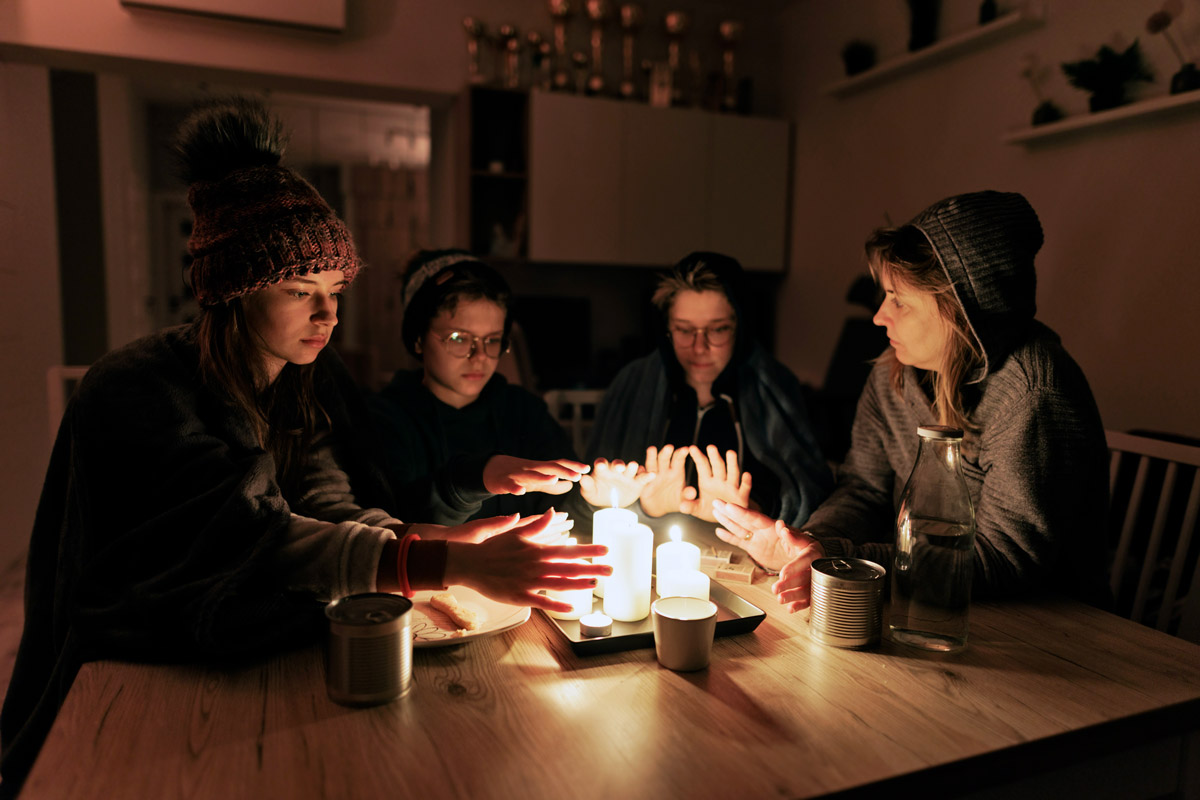
Outages occur more frequently in some regions than others. If you reside in an area prone to hurricanes, tornadoes, ice storms or heat waves, plan ahead for power losses — because they’re likely.
- Build your emergency savings. If you unexpectedly need to cover hotel and meal costs for a few days, it helps to have an emergency fund ready. Alternatively, a rewards credit card could finance a temporary hotel stay — just be sure to pay the balance by the due date to avoid steep interest.
- Know where your supplies are. Store candles, matches, flashlights and batteries in sensible spots. If your home has multiple levels, keep lighting on each floor so nobody has to navigate stairs in the dark. Most importantly, ensure everyone knows where the first-aid kit is and how to use basic supplies.
- Buy supplies now. During widespread outages, key items like large coolers, generators and batteries may be scarce. Put together your emergency kit now (buy batteries in bulk to save!) so you’re ready when the lights go out. Always keep nonperishable foods and bottled water stocked for emergencies.