Traveling overseas can get pricey — particularly when you hand over cash to a tour operator and let them handle everything.
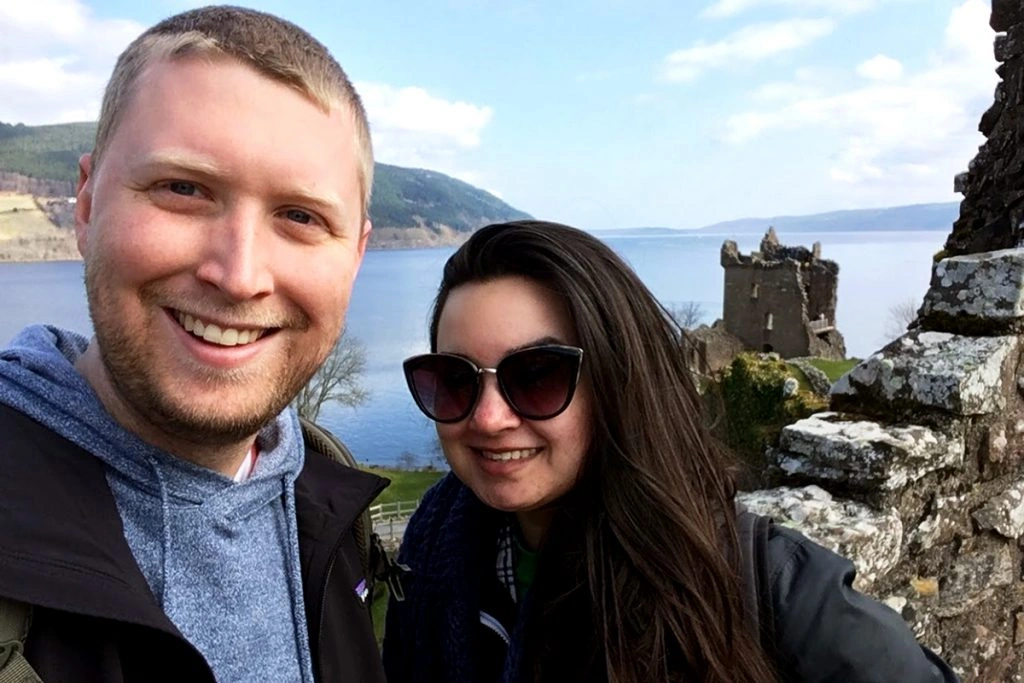
As my close friend Emma and I began sketching out a trip to Scotland and Ireland, we realized we could experience far more and extend our stay considerably if we organized the journey ourselves.
Here’s how we pulled it off.
Building the Vacation Fund
Emma and I have always been driven to explore. Together, we’ve visited the Pacific coastline, our nation’s capital, Mexican beaches, St. Louis and more. Separately, we’ve traveled across much of North America.
To make this possible, Emma and I gave up quite a few comforts. While our peers frequently spent money on nights out, we opted for game nights at home. While they upgraded gadgets and wardrobes, we made do with less. We understood that if we wanted to travel in our twenties, we’d need to forgo some nice-to-haves in order to save for must-dos.
For me, that meant setting aside roughly 4% to 6% of each biweekly paycheck into a sub-savings account earmarked solely for travel. Unexpected income — freelance gigs or cash from birthdays — went straight into that fund as well.
For more than two years, Emma and I saved this way. We used a portion of our vacation cash for trips to Cedar Point, Gatlinburg, New Orleans and more, but most of the money was reserved for our big European trip.
In the end, each of us had saved about $4,000 for the adventure of a lifetime.
Why We Chose to Plan the Trip Ourselves
At first, Emma and I planned to take a paid guided tour of Ireland and Scotland. There are clear perks to touring with a company: you don’t need to plan details, you don’t have to navigate unfamiliar roads, and you benefit from an expert who can provide history and context for every stop.
The drawback? Guided tours of Scotland and Ireland are costly. With our $4,000 savings, we could afford a 12-day escorted tour — and still need to cover flights, some meals and souvenirs. Yet with the same budget, we managed to see all of Ireland, Northern Ireland and Scotland for 21 days.
Guided tours can also be restrictive. They tend to stick to the most popular sights, without flexibility to explore lesser-known treasures. We visited all the headline spots that tours offer, but we also climbed the rugged coast to Slieve League, biked across the Aran Islands’ pastures and spent five nights immersed in the Scottish Highlands — experiences we likely would have missed on a basic package.
Planning a Three-Week Itinerary
Saving money by self-planning meant Emma and I invested dozens of hours on weeknights and weekends researching and mapping the trip. Be prepared to trade time for money.
Choosing Activities
We began by examining existing itineraries from major tour companies to note common stops. We used sites like TripAdvisor to identify must-see attractions. Friends and relatives who had been there before shared their favorite moments. From that research, we compiled and prioritized everything we wanted to fit into our three-week schedule.
We made sure the trip included a mix of historic sites, museums, beaches and hikes. As you piece together a longer vacation, avoid clustering too many castles or museums into just a few days or you’ll risk burnout. Equally, back-to-back hiking days can be exhausting if you’re not in top fitness.
For dining, Emma and I looked up TripAdvisor’s top-rated restaurants and pubs in each area and created a list noting cuisine, price and vibe. That way, when we reached a small town, we already knew our dining choices, where they were and roughly how much to expect to spend. This made picking a lunch spot quick and easy while still letting us choose what we felt like eating.
Scheduling
The best tip I can offer for planning a trip of this magnitude is to allow more time than you expect to need. Check forums for every museum you want to tour, every hike you plan to do, every castle you hope to see — and note how long visitors say they spend there.
Our guideline was to average those reported times and then add padding (around 15 minutes per hour). So if the average visit was two hours, we planned for 2.5 hours.
We used the same approach for driving. Google Maps was our tool to plot each stop and overnight stay; we recorded the travel time between locations and rounded up to the nearest hour to accommodate parking delays and missed turns, both of which occurred frequently.
That system worked well. Across three weeks, we had only one minor slip-up: we arrived two minutes late to a Guinness Storehouse slot, but because it was self-guided it didn’t matter. Careful planning and generous time estimates helped ensure we didn’t miss anything.
Booking Flights, Accommodation and Tickets
Emma and I followed the guidance of CheapAir.com’s 2017 study when purchasing plane tickets. The study suggested the best bargains on European flights were foundabout 99 days ahead of departure. We didn’t book at exactly 99 days, but we scheduled our reservations roughly three months out and secured very competitive fares. Prices had been dropping until then and rose again shortly after we booked. (Note: The study was updated in 2018.)
We also researched lodging in each place we intended to stay. To keep costs down, we spent many nights in hostels. Hostels have trade-offs: privacy is limited, showers can be inconvenient (some require you to press a button periodically to keep water flowing) and beds often consist of thin mattresses and basic pillows.
Still, hostels are far cheaper than hotels or B&Bs. If you can sacrifice some creature comforts to see and do more, choose hostels. For balance, Emma and I booked a few nice bed-and-breakfasts, castle stays and quirky cabins (for example, Jedi huts at Skyewalker Hostel) to break up the hostel routine.
We maintained our full itinerary in a comprehensive Excel workbook with hour-by-hour plans for driving, sleeping, eating and exploring. Knowing our expected arrival times let us prebook tours and tickets online. Many venues offered noticeable discounts for booking ahead, and several popular tours sold out before our arrival — meaning we’d have missed them without advance reservations.
Since we didn’t have a tour leader with us, we also researched each stop thoroughly beforehand. I created folders for Emma and me with historical background and interesting tidbits about each place on our route, which enriched the experience and sparked lively conversation over breakfast each morning.
When booking travel and spending abroad, use a travel rewards card with no foreign transaction fees. By using our Capital One Venture card, we earned free nights of lodging.
Packing for 21 Days
Packing for a three-week trip can be tougher than the planning. You need enough items for comfort but you don’t want to lug multiple suitcases over cobblestone streets. Emma and I managed with one duffel each and a couple of backpacks.
Essential packing items:
- Packing cubes
- A microfiber towel (handy for hostel showers)
- TSA-compliant locks
- Extra phone chargers
- Weather-appropriate clothes and footwear (layers, rain jacket and waterproof shoes for Ireland and Scotland)
- Protein bars or high-protein snacks (so you can skip or shorten breakfast)
- A refillable water bottle
For a three-week trip, plan to use a laundromat or, if you’re fortunate like Emma and me, stay with a friend overseas and use their washer. Washing clothes rather than packing enough for 21 days saves a great deal of space. And don’t be shy about rewearing garments— often you’ll get away with it by using body spray or Febreze; suddenly that same T-shirt is wearable for the third time that week.
My top packing error was overpacking. I brought too many shoes, and despite packing three pairs of pajama shorts, I wore the same pair nightly. I also packed three books and finished only one (note to self: get an e-reader).
Ways We Cut Costs
Emma and I didn’t execute the trip flawlessly. We made several money mistakes and occasionally felt hurried. But we also did many things right. Here are the strategies that saved us cash:
Download Google Maps for Offline Use
Rental companies will try to upsell cars with built-in navigation for a hefty daily fee. Yet many reviewers noted those systems aren’t always current. Instead, Emma and I downloaded Google Maps for each country beforehand and used them in airplane mode. While they didn’t provide live traffic info, the offline maps still offered turn-by-turn guidance, and our few wrong turns were all human errors rather than mapping faults.
Choose Hostels
It’s worth repeating: opt for hostels when suitable. We paid about $20–$30 per person per night for hostels versus $50–$75 each for hotels or B&Bs. Many hostels include free breakfast and discounts on local day tours.
Ask for a Hybrid
Gas is pricier in Europe, and I’m not the gentlest on the accelerator. Renting a hybrid helped our budget significantly. How did we secure one? We simply requested it when booking — at no extra charge.
Buy Full Coverage
If your credit card or personal auto insurance doesn’t provide overseas coverage, purchase full insurance for your rental. The back roads in the Highlands were rough and our rental picked up several dents that were covered because we’d chosen full protection.
Walk More
In big cities it’s tempting to park right by an attraction and pay for expensive garages. Do your research and you’ll likely find cheaper lots or free parking a bit further away. Even though our feet were sore most evenings, Emma and I saved money by walking more — and I dropped 20 pounds despite eating potatoes at nearly every meal.
When I say “walk,” I don’t just mean the distance from parking to your destination. I mean make walking the actual activity. My favorite memories were free outdoor experiences: hiking to Steall Falls, wandering around Neist Point lighthouse, and collecting shells on Derrynane Beach. Those all had two things in common: lots of walking and zero cost.
Establish a Daily Spending Limit
After flights, lodging and tickets were paid, Emma and I figured out how much of our $4,000 remained for food, drinks, souvenirs and fuel. We divided that remainder by 21 days to set a daily allowance. We also remembered that for those three weeks we weren’t spending at home on groceries, gas or entertainment, so we gave ourselves a small buffer.
Avoid Overpaying for Drinks
A friend advised us not to spend more than 5 euros for a pint of Guinness in Ireland. She was right. Pints varied in price, with the priciest found in tourist-heavy spots. If a Guinness cost well over 5 euros, we knew two things: 1) we should try a less touristy pub for a more authentic experience; and 2) we were probably being overcharged.
Finally, if you want help setting up a month without unnecessary spending before a big trip, consider resources such as planning no spend november to save more efficiently for your next adventure.