
Catching breast cancer early is one of the most effective ways to stop it from progressing.
While every woman should perform monthly breast self-exams, those aged 40 and older are generally advised to obtain a mammogram every one to two years. If you’re under 40 but have factors that raise your breast cancer risk, your doctor may recommend screening earlier—ask for their guidance.
Whatever your age, don’t forgo mammograms because of cost concerns.
Why Mammograms Matter — and Why They Can Be Pricey
Mammograms are low-dose X-ray exams of breast tissue and remain a primary screening and diagnostic method for detecting breast cancer. They can reveal abnormalities before symptoms develop.
Early detection is priceless — statistics suggest about one in eight women will face a breast cancer diagnosis during her lifetime. The American Cancer Society estimates roughly 316,950 new invasive breast cancer cases will be identified in women this year, with about 42,170 women dying from the disease.
But mammograms can be costly. Without insurance, a standard 2D screening mammogram can cost anywhere from under $200 to over $300, and more advanced imaging runs higher.
Fortunately, there are federal programs, charitable organizations and community clinics that can help you access free mammograms nearby or provide reduced-fee options for those who qualify.
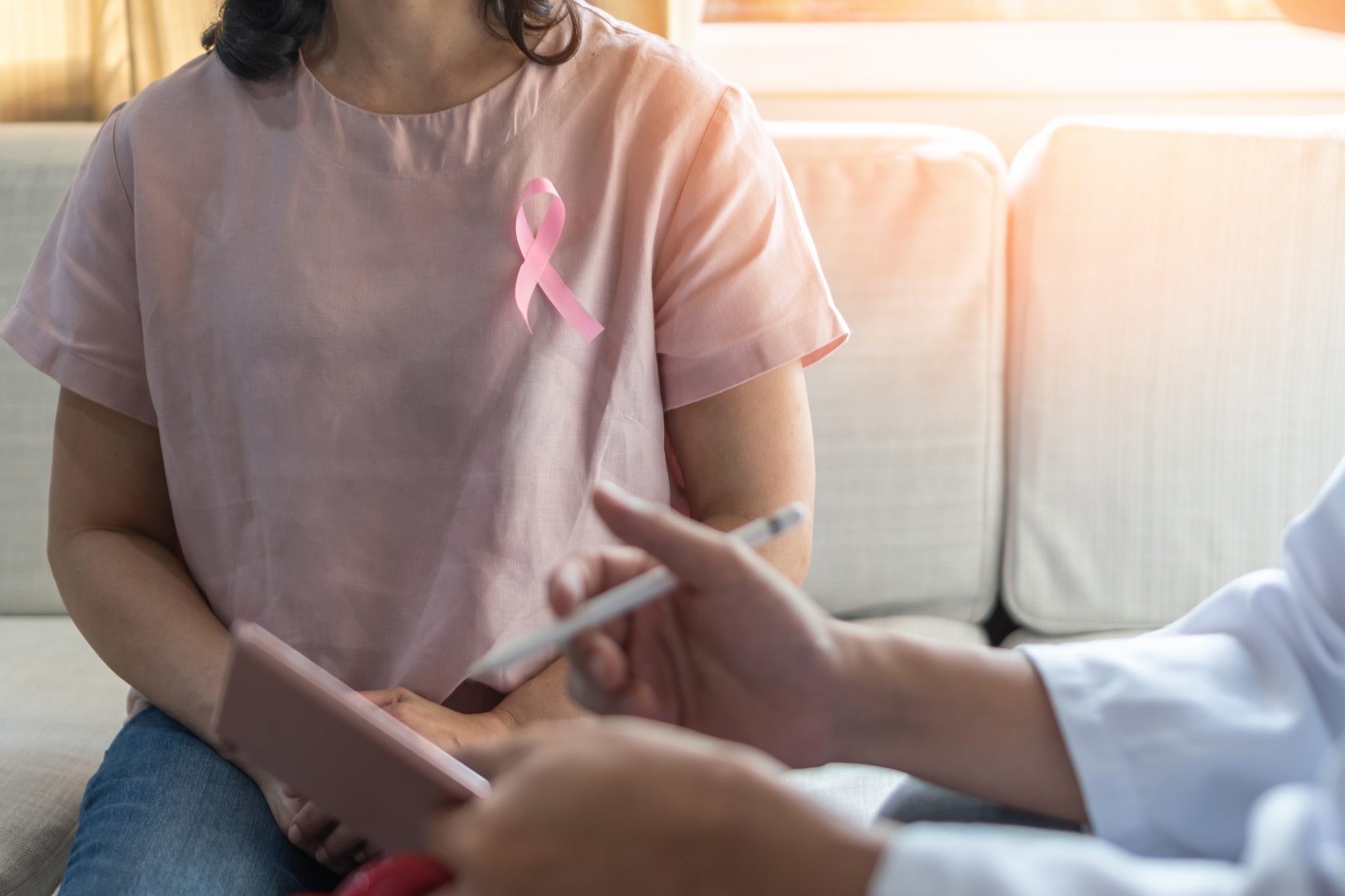
Federal Programs That Provide Free or Reduced-Cost Screening
In many situations, insurance will pick up the cost of mammograms. If you’re 40 or older, the Affordable Care Act generally requires insurers to cover screening mammograms every two years with no copay. Medicare and Medicaid also include coverage for mammograms.
An additional avenue for free or discounted mammograms is the CDC’s National Breast and Cervical Cancer Early Detection Program, which “provides breast and cervical cancer screenings and diagnostic services to low-income, uninsured and underinsured women across the United States.”
Typical eligibility for this program includes being between 40 and 64 years old, having no insurance or insurance that doesn’t cover screening, and living at or below 250% of the federal poverty level.
Nonprofits and Foundations That Help Pay for Screening
Beyond federal aid and insurance, several nonprofits help arrange free breast cancer screening:
The National Breast Cancer Foundation
The National Breast Cancer Foundation partners with medical facilities nationwide to offer free mammograms and diagnostic breast care services to underserved women. You can search for a participating site here.
The Susan G. Komen Foundation
The Susan G. Komen Foundation operates affiliates in about 120 U.S. cities. Its affiliate network is one of the country’s largest private funders of community-oriented breast health education and breast cancer screening and treatment programs.
Find local resources by searching for your area affiliate here, or call their breast care helpline at 1-877-GO-KOMEN (1-877-465-6636) to speak with representatives who can help locate low-cost screening near you.
YWCA
Some YWCA branches, through ENCOREplus programs, deliver breast cancer screening and education to uninsured or underinsured women. Reach out to your local YWCA to see whether it provides affordable mammograms.

State and Local Clinics That Offer Screening
Many states and local health departments run mammogram programs that provide free or sliding-scale services based on income. Charities, hospitals and imaging centers also sometimes offer discounted rates, especially during October for Breast Cancer Awareness Month.
To locate low-income mammogram programs in your area, check your state health department’s website, search online for “free mammograms near me,” locate a nearby mammography provider on the FDA site, or contact your local United Way by dialing 211.
Also consider related preventive services; you may find additional resources bundled together, similar to information available about free or low cost flu shot programs.
Mobile Mammography Vans and Community Outreach
Mobile mammography vans travel to rural and underserved neighborhoods, providing free breast cancer screening. These mobile units often visit community centers, health fairs and places of worship to reach women who might otherwise face barriers to care.
To discover a mobile mammography event, contact state health departments, local providers or the NBCCEDP. Keep an eye on events hosted by groups like Susan G. Komen, and search online for “mobile mammograms” to find stops in your area.
Questions to Ask Before Your Appointment
For more detailed guidance on mammograms, review this PDF from Susan G. Komen. Before arranging a free or low-cost screening, consider asking:
- Is an appointment required?
- Do I need to provide proof of income?
- What should I bring to the visit?
- If my mammogram is abnormal, what are the next steps?
- Do you perform diagnostic follow-up services?
Final Thoughts: Get Screened — Don’t Let Cost Stop You
Mammography and breast cancer screening are vital for finding cancer at an early, more treatable stage. However, the expense can be a deterrent.
If cost is a barrier, remember that local, state, federal and nonprofit resources exist to provide low-cost or free mammograms, particularly during Breast Cancer Awareness Month in October. For a broader set of low-cost screening and assistance options, including places that help with mammograms and related care, see 6 places to get low cost or free mammograms even without insurance.
FAQs About Free Mammograms
Who’s eligible? Eligibility often depends on age (commonly 40+), income and insurance status. Some clinics may extend free or reduced-cost screening to younger women with identified risk factors.
Are follow-up tests covered? Not always. While screening may be free, diagnostic procedures such as ultrasounds or biopsies might carry additional fees. Ask about potential follow-up costs ahead of time.
How long is the wait? Wait times vary by provider. Some clinics offer same-day services, while community events or mobile units may require booking in advance.
Are services available to transgender and gender-nonconforming people? Yes — some programs are inclusive. Check with your local clinic or the NBCCEDP to confirm eligibility and accommodations.