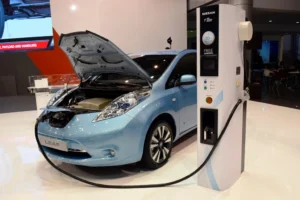
Gasoline costs may have eased since last year’s highs, but prices remain well above pre-pandemic levels thanks to supply disruptions and geopolitical tensions. Nationwide, drivers are typically paying between $3.50 and $4 per gallon.
While the simplest way to cut fuel spending is to drive less, that’s not realistic for many households. Increasingly, drivers are weighing hybrids and electric vehicles as a way to reduce fuel bills — but how do you pick the right option?
This article compares hybrids, battery-electric vehicles and plug-in hybrids: their strengths, weaknesses and how to decide which matches your lifestyle.
What Is a Hybrid Car?
A hybrid vehicle (including SUVs and trucks) combines a gasoline engine with an electric motor. You’ll still visit the gas pump — the gasoline engine plays a crucial role in powering the vehicle and supporting the electric system.
Unlike fully electric cars, hybrids use relatively small lithium-ion battery packs. Those batteries allow brief periods of electric-only driving, but most propulsion still comes from the internal combustion engine.
Hybrids recharge their batteries while driving through regenerative braking: when you brake, the system captures and stores energy to use later without burning fuel.
Consequently, hybrids often shine in city driving and stop-and-go traffic, where frequent braking yields energy recapture, whereas conventional gas cars tend to be most efficient on the highway.
The Toyota Prius is the iconic hybrid example, but many manufacturers now offer hybrid versions of mainstream models. Common hybrids include the Honda Accord Hybrid, Toyota Camry Hybrid, Hyundai Santa Fe Hybrid and Subaru Crosstrek Hybrid.
What Is an Electric Vehicle?
A battery-electric vehicle (EV) runs exclusively on electricity stored in a high-voltage battery pack. Because there’s no gasoline backup, EVs are equipped with much larger batteries than hybrids, enabling significantly longer electric ranges.
Fully electric cars produce no tailpipe emissions.
Charging an EV takes longer than filling a gas tank. A full charge typically requires six to 12 hours. Many EVs support DC fast charging, which can replenish the battery to about 80% in roughly 30 minutes, but frequent fast charging can accelerate battery wear (and battery replacements are costly — often $5,000 to $20,000).
To install home charging, you’ll usually need professional equipment installation, which can cost several thousand dollars. Conversely, many new EVs qualify for a federal tax credit (up to $7,500), which can offset installation costs for some buyers.
Budget-friendly EVs include the Chevrolet Bolt EV and EUV, Nissan Leaf and Hyundai Kona Electric. The Ford F-150 Lightning brings an all-electric option to the pickup market and is competitively priced among large trucks.
What Is a Plug-In Hybrid Vehicle?
A plug-in hybrid electric vehicle (PHEV) pairs a gasoline engine with an electric motor and a larger battery that allows meaningful electric-only driving. When the battery is exhausted, the car switches to gasoline propulsion.
PHEVs must be plugged in to charge their battery packs, unlike conventional hybrids that recharge via the gas engine. Owners will need the same home charging setup they’d install for a full EV.
Popular plug-in hybrids include the Hyundai Ioniq PHEV, Toyota Prius Prime, Chrysler Pacifica Hybrid and Ford Escape PHEV.
Pros and Cons of Hybrid Cars
Hybrids have been around for decades and remain popular, though global sales softened in 2022 due to inflation and supply constraints. Still, hybrid market share rose slightly year-over-year — from 5.4% in 2021 to 5.6% in 2022.
- Long range capability
- Lower sticker price (relative to EVs and many PHEVs)
- No home charging required
- Regenerative braking efficiency
- Continued reliance on fuel
- Less performance-oriented
- Operating costs can be higher
What draws drivers to hybrids, and where do they fall short?
Hybrid Vehicle Advantages
- Long-distance capability: Hybrids use gasoline, so range anxiety is minimal. When fuel runs low, a quick stop at the pump gets you back on the road.
- Affordability: While pricier than equivalent gas-only cars, hybrids are typically less expensive than comparable plug-in hybrids or fully electric models.
- No charging infrastructure needed: Hybrids don’t require home charging, making them viable for renters or those without access to a charger.
- Regenerative braking: This feature captures braking energy to help power the electric motor, improving efficiency especially in urban driving.
Hybrid Vehicle Disadvantages
- Fuel dependence: Hybrids still rely on gasoline, so owners remain exposed to fuel price volatility and continued fossil fuel use.
- Lower power output: Hybrids typically prioritize efficiency over performance, so they may feel underpowered compared with sportier options.
- Operating costs: You’ll still pay for fuel and potentially face higher maintenance expenses when service is needed, even if visits are less frequent.
Pros and Cons of Electric Cars
EVs are gaining momentum even though 2022 sales were dented by chip shortages — EVs require many more semiconductors than gas cars. Many manufacturers have announced plans to shift heavily toward electric models, so EV adoption is expected to rise.
- Zero tailpipe emissions and long electric range
- Minimal routine maintenance
- Potential tax incentives
- Electricity source emissions
- Need for charging infrastructure
- Lengthy charging times
- Higher purchase price
Here are the primary benefits and downsides of going fully electric.
Electric Vehicle Advantages
- All-electric range: Modern EVs can deliver hundreds of miles per charge for drivers who want to eliminate gasoline use and reduce emissions.
- Lower routine maintenance: EVs don’t need oil changes or many typical engine services, potentially saving hundreds of dollars annually.
- Tax incentives: Some new EVs qualify for federal tax credits (up to $7,500) and local rebates. Used EV buyers may be eligible for smaller incentives; rules have shifted under recent legislation, so confirm current eligibility before buying.
Electric Vehicle Disadvantages
- Grid emissions: EVs have no tailpipe emissions, but electricity generation can involve fossil fuels such as coal. In the U.S., a notable share of electricity still comes from coal-fired plants.
- Charging infrastructure required: Home chargers generally require professional installation and expense, which can be prohibitive for renters or those without dedicated parking. Some dealers or manufacturers bundle installation with a new EV purchase.
- Slow full-charge times: Even with DC fast charging, a complete recharge often takes several hours; typical full-charge times run six to 12 hours, which complicates long-distance travel without frequent fast-charging stops.
- Higher upfront cost: EVs usually cost more than hybrids and often carry higher insurance rates — sometimes around 25% more than gas cars.
Pros and Cons of Plug-In Hybrid Vehicles
PHEVs blend elements of hybrids and EVs, promising flexibility. They offer many advantages but also some notable trade-offs.
- Flexibility between electric and gas power
- Potential tax benefits
- Lower maintenance costs than gas-only cars
- Still depend on fossil fuels
- Require charging setup
- Slower charging than a full EV for long-range needs
- Reduced interior space due to dual drivetrains
Below are the main perks and pitfalls of plug-in hybrids.
Plug-In Hybrid Advantages
- Versatility: PHEVs can operate on electric power for daily trips and switch to gasoline for longer journeys. If you have a short commute and can charge frequently, you may go long stretches without filling the tank.
- Tax incentives: Some plug-in hybrids qualify for federal or local incentives since they offer substantial electric driving capability.
- Lower maintenance costs: Despite dual systems, PHEVs often cost less to maintain than conventional ICE vehicles.
Plug-In Hybrid Disadvantages
- Fossil fuel dependence: To enjoy full convenience, you’ll still need gasoline on hand. PHEVs aren’t as emissions-free as full EVs and still require budgeting for fuel.
- Charging infrastructure: Like EVs, PHEV owners need home chargers to maximize electric driving, which can be impractical for renters or people without dedicated parking.
- Reduced interior space: Dual powertrain components (a larger battery plus both electric and gas systems) often cut into passenger or cargo room.
Hybrid vs. Electric vs. Plug-In Hybrid: Which Should You Choose?
All three powertrains offer cleaner alternatives to conventional gas cars. Your best choice depends on budget, living situation and driving patterns.
Choose a Hybrid If…
- You frequently drive long distances.
- You don’t have a place to install a home charger.
- You want improved fuel efficiency on a relatively modest budget.
Choose an Electric Vehicle If…
- You want a truly all-electric car.
- You don’t commonly take long trips or you have a second vehicle for road trips.
- You can take advantage of federal or local incentives.
- You have access to home charging or convenient public chargers.
Choose a Plug-In Hybrid If…
- You desire electric driving for most trips but worry about EV range for longer drives.
- You have a place to install charging equipment or easy access to chargers.
- You want to try electric driving before committing to a fully electric vehicle.
Frequently Asked Questions (FAQ) About Hybrid vs. Electric Cars
Still undecided between a hybrid, EV or plug-in hybrid? Here are answers to common questions to help you weigh the options.
A hybrid offers benefits such as eliminated range anxiety and no need for home charging. However, you still buy fuel and hybrids are less eco-friendly than EVs; which is better depends on your priorities.
A plug-in hybrid requires charging (though often less than a full EV) to access electric driving and you’ll still occasionally purchase gas. PHEVs are generally pricier than standard hybrids.
The top drawback of EVs is range limitations and recharge time. Many models exceed 200 miles per charge, but a full recharge can take 8+ hours. DC fast charging shortens that to about 30 minutes for a partial recharge, but it’s not ideal for all road trips.
EVs also have higher up-front costs and require charging installation, though they can qualify for up to $7,500 in federal incentives.
EVs are durable, but their batteries don’t last forever and replacement can be expensive. Batteries often endure 10–20 years or roughly 200,000 miles; most manufacturers back them with warranties of at least eight years or 100,000 miles.
A major perk of EVs is reduced routine maintenance: no oil changes or many typical engine services, which can save you significant money each year.
Research from national energy labs suggests electricity costs to power an EV over 15 years can be about $14,500 less than fueling a comparable gas vehicle — roughly $1,000 per year in fuel savings. With recent increases in gasoline prices, potential savings may be higher today.
Despite higher initial costs, EVs can deliver long-term savings through tax credits, lower fuel expense and reduced maintenance.
You may pay more for insurance and see an uptick in your electric bill, but those expenses are often outweighed by savings from not buying gasoline or paying for routine engine maintenance.
Hybrids are generally more efficient than conventional gas cars, especially in urban stop-and-go driving, so drivers who spend a lot of time in traffic can save on fuel over time.
However, hybrids usually cost more than their gas-only counterparts, so recouping the extra investment can take time.