Editors note: This article first appeared in 2018 and has been updated.
When Lorielle Hollaway bought a stack of sodas during a buy-one-get-one-free promotion, it wasn’t for a party or because her family preferred fizzy drinks.
Actually, the bottles were purchased for a science demonstration.
Hollaway used the carbonated beverages to teach her eldest daughters — Nadia and Ava, now 10 and 8 — how dropping a Mentos candy into soda speeds the escape of carbon dioxide and produces an explosive foam fountain.
The kids were thrilled.
“We did the soda experiment a lot,” Nadia recalled.
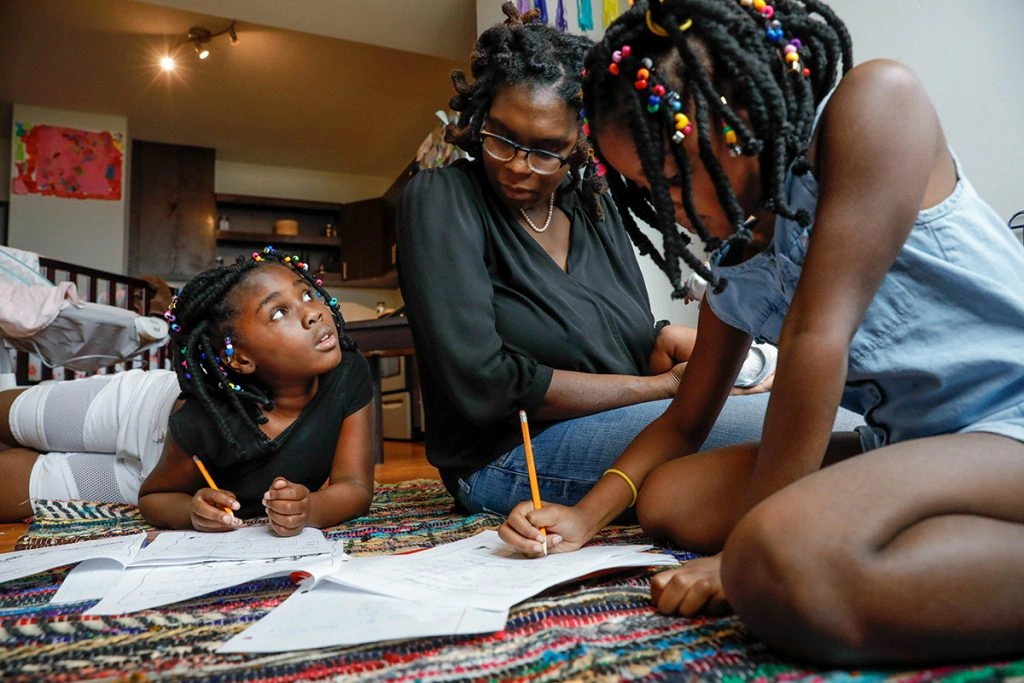
The gooey experiment was part of a homeschool unit about volcanoes. At the time, Hollaway, a 30-year-old single mom from St. Petersburg, Florida, had been educating her children at home for more than three years.
“We chose homeschooling when Nadia was preparing to enter kindergarten,” Hollaway said. “Once we started, it just grew from there, and we never looked back.”
Nadia is now in fifth grade and Ava is in second grade. Hollaway also has a 21-month-old daughter, Joyce.
The first year included some trial and error as Hollaway fretted over doing everything correctly. Now she’s found her rhythm, and she’s learned homeschooling doesn’t have to break the bank if you’re thoughtful about expenses.
“It’s easy to feel like a kid in a candy store, wanting to buy every trendy educational product,” Hollaway said.
5 Ways to Keep Homeschooling Affordable
Hollaway keeps things straightforward by focusing on what truly matters for her children’s learning. Here are the strategies that have helped her family.
1. Build a Support Network
When Hollaway began homeschooling, she joined Facebook groups for homeschool parents. Her mother introduced her to experienced homeschoolers, and Hollaway signed up for a homeschool co-op — a collective of families who share teaching responsibilities.
Connecting with other homeschooling families gave Hollaway emotional support and practical ideas for teaching her children at home.
She said other homeschool moms were eager to pass along effective learning resources.
“The only curriculum I probably bought was a couple of math books,” Hollaway said. “Everything else was handed down to me.”
Hollaway suggests new homeschoolers consider joining a co-op for that supportive network. Co-ops vary, she noted, and fees differ. She remembered paying roughly $100 per semester for her oldest daughter to attend weekly co-op classes.
Parents can also visit co-op open houses where curriculum swaps sometimes provide free materials.
Apart from co-ops, Hollaway encourages tapping into friends’ and relatives’ abilities and expertise.
“Use the people you already know,” she advised.
Her daughters practiced handwriting with their great-grandmother, a retired teacher.
“She always had them doing writing exercises,” Hollaway said.
2. Buy Supplies After the Back-to-School Rush

One advantage of homeschooling is setting your own calendar instead of following the traditional school year.
That means while many parents rush to stores before the school year begins, homeschoolers can wait until the frenzy subsides.
Hollaway buys items like crayons, markers and glue a week or two after classes start, when retailers discount those products compared with peak back-to-school pricing.
She also looks for books and teaching sets at thrift shops. She’s come across complete curriculum bundles — math collections, science sets — in secondhand stores.
3. Let the Library Be Your Go-To Spot

Libraries are excellent resources for budget-conscious families, especially those educating at home. Hollaway and her girls live roughly half a mile from a local library branch.
“The library is incredibly helpful,” Hollaway said. “We used to attend story time and always check out books and sometimes DVDs.”
Public libraries offer a variety of free services: computer access, community programs, and periodicals for reading about current events. Many libraries also allow patrons to borrow special items like museum passes, science kits and musical instruments.
If you’re looking for extra support or ideas for lessons, consider resources like homeschool help to supplement library finds.
4. Look for Field Trip Discounts

Being home-schooled doesn’t mean missing out on field trips that traditional schools take.
“One great aspect of homeschooling is that many museums and cultural centers host homeschool days,” Hollaway said.
Some venues provide free admission on specific days for homeschool families. Others extend educator discounts that lower entry fees.
“You’ll need to say you’re homeschooling and sometimes provide paperwork from your local school district confirming enrollment in home education to get the discount,” she said.
Hollaway has taken her daughters to local attractions like the Salvador Dali Museum and the Mahaffey Theater in St. Petersburg, and to places further afield such as the Florida Aquarium and Busch Gardens in Tampa.
“We love our homeschool outings,” she said.
5. Juggle Homeschooling and Earning an Income
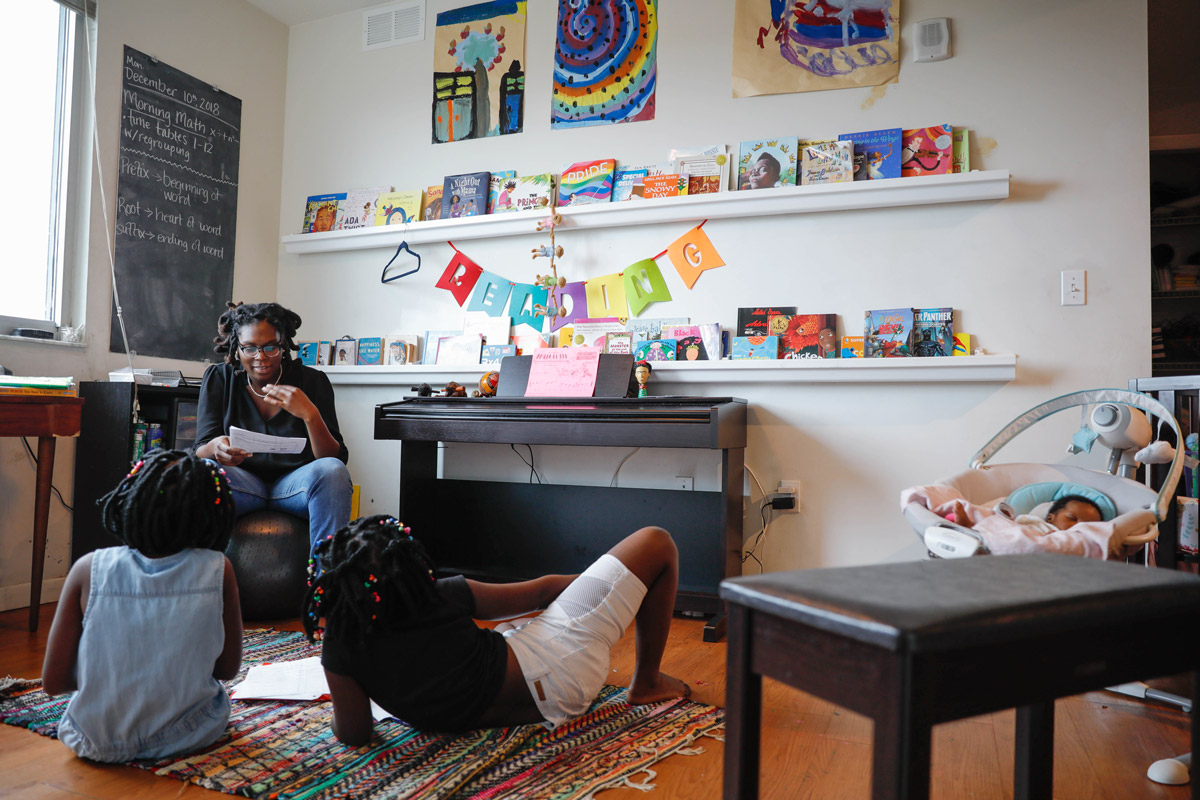
Hollaway noted the primary monetary obstacle to homeschooling isn’t purchasing materials; it’s balancing teaching time with earning a living.
She typically conducts lessons during traditional business hours and must arrange her work schedule around the girls’ routine.
During her first year she worked nights as a janitor, and she also spent two years working as an in-home nanny.
Hollaway now runs a small business. She founded Cultured Books, a pop-up children’s bookstore that highlights books featuring children of color. The shop is open Sunday afternoons from 1 p.m. to 4 p.m. and by appointment on other days. Hollaway’s daughters help by selling their artwork, and being part of the store teaches them entrepreneurial skills like setting prices and understanding profit.
One perk of homeschooling, Hollaway said, is that parents control when lessons happen, so it’s possible to educate kids even if you have daytime work commitments.
“You don’t have to give up your 9-to-5,” she said. “You can homeschool in the evenings or on days that fit your work schedule. Homeschool doesn’t have to follow a strict morning-to-afternoon routine.”
Katie Reynolds is a senior writer at Savinly.