I’ve been renting for most of my adult life, but recently I’ve been itching to purchase my first house.
When I bring up the idea with other renters, I often get the same response.
If you’re renting and something breaks, you can just call your landlord to take care of it.
While renters aren’t totally shielded from upkeep bills, homeowners often feel the financial pinch more acutely.
Bankrate recently conducted a survey on home service expenses, which discovered the typical homeowner shells out roughly $2,000 annually on maintenance.
Some service fees are unavoidable (for example, trash and recycling collection averages about $55 per month), but others are optional conveniences. Bankrate reports homeowners average $285 a month on housekeeping help and $144 a month on lawn care.
Hiring someone to handle chores you could do yourself might make life easier, but if your budget is tight, there’s no need to worry.
Cut Your Home Maintenance Bills
Rather than spending hundreds monthly on cleaning services, take on the tasks yourself.
Skip buying a cabinet full of specialized cleaners. Make DIY solutions from common ingredients or repurpose household items. You’d be surprised what denture tablets and dryer sheets can do.
Give your kitchen a deep clean by following this step-by-step guide to cleaning appliances. Check out this post for more household cleaning tricks.
Trim landscaping expenses with practical strategies for maintaining your yard affordably. Or convert your lawn into a productive garden — you’ll reduce mowing costs and grow food at the same time.
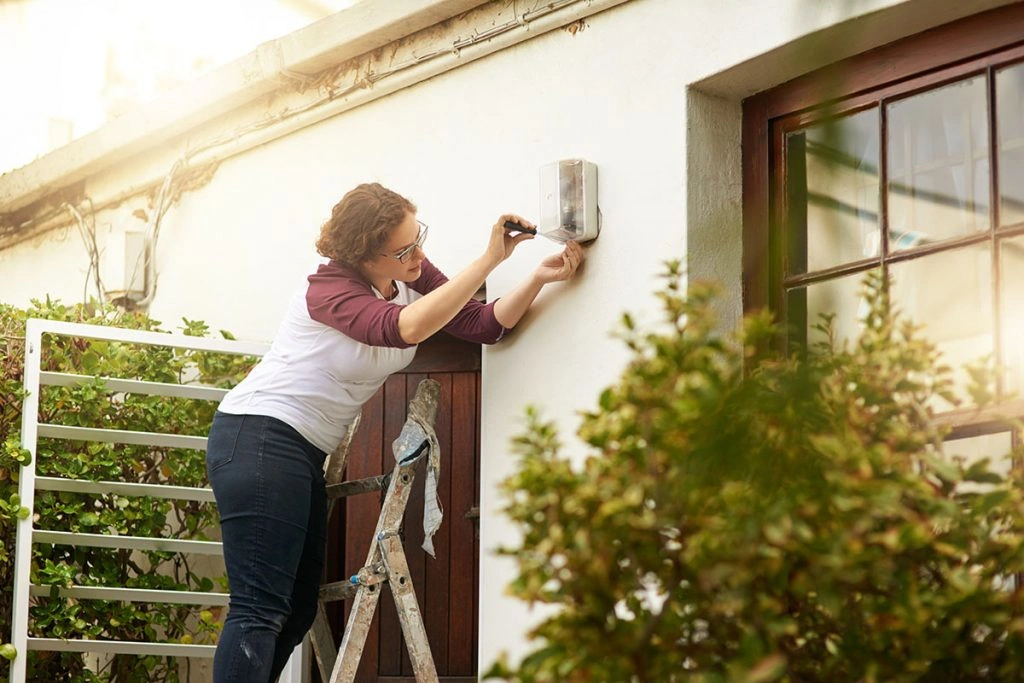
Short on repair skills? This post lists free resources to help you learn DIY home fixes — including complimentary clinics offered by Home Depot.
Be Ready for the Unexpected
Even if you handle most projects on your own, some situations will still require professional help.
Kevin Mahoney, CEO of financial planning firm Illumint, told Bankrate he advises homeowners to build a savings account specifically for maintenance expenses. Mahoney says he sets aside $100 to $200 each month to cover surprise repairs or routine wear-and-tear services.
That way, when an issue arises, funds are already available to pay for it. Sound advice.
Jordan Blake is a staff writer at Savinly.