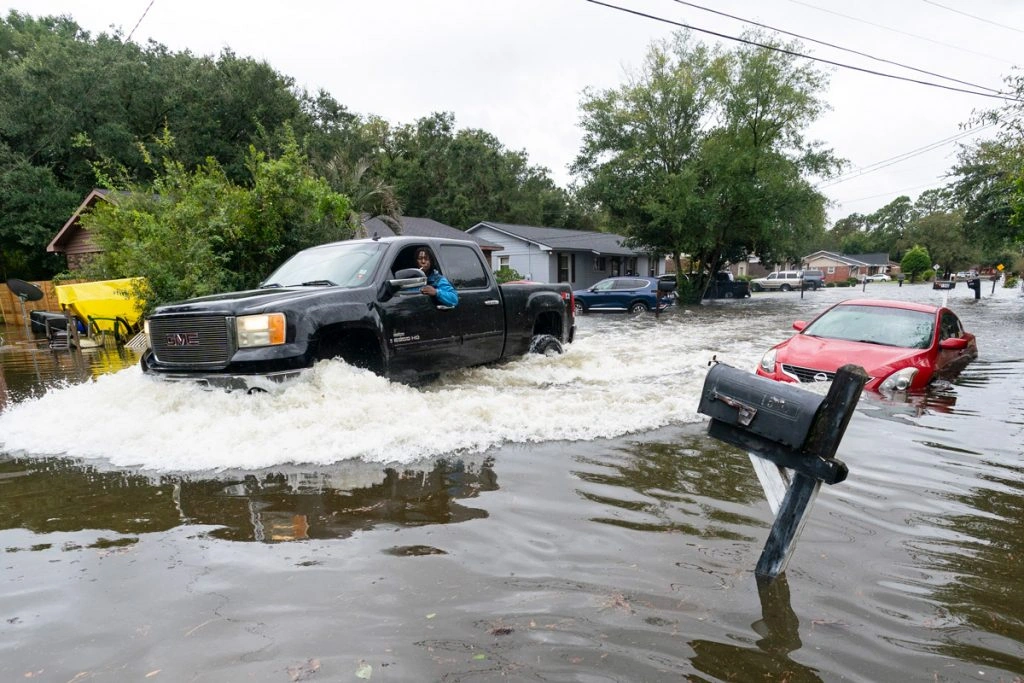
Alongside the tragic loss of life and widespread destruction left by Hurricane Ian, there’s another troubling consequence: catastrophic flooding that may have harmed more than 350,000 vehicles, according to fresh estimates from Carfax.
Car buyers should be vigilant because many of these water-damaged vehicles will soon start appearing — often disguised — across the country. Unscrupulous used-car sellers (surprise, surprise) sometimes try to conceal flood damage by acquiring fresh titles and marketing these cars as blemish-free.
“On the outside these cars can look immaculate, but if you don’t know what to look for, it’s almost impossible to tell they’re literally decaying inside,” Carfax spokeswoman Emilie Voss said in a press statement. “Flood waters can produce mechanical, electrical, health and safety problems in a vehicle, even if it was underwater only briefly.”
Inevitably, many thousands of these vehicles will be resold to unaware purchasers — similar to the roughly 400,000 flood-damaged cars Carfax estimates are currently on the road, mostly due to prior hurricanes.
How do you shield yourself when shopping for a used car? Don’t fret — we’ve compiled the essential guidance.
Flood-Damaged Vehicles: Not Only a Southern Concern
This issue isn’t confined to southeastern states that typically endure hurricanes.
Texas and Florida — frequent hurricane targets — top the list for the number of flood-damaged cars in operation. But Carfax’s analysis shows these vehicles also turn up in states where hurricane-driven flooding is uncommon.
Carfax’s data identifies the 10 states with the highest counts of flood-damaged autos:
States With the Most Flood-Damaged Autos
| State | Flood-Damaged Vehicles |
|---|---|
| Texas | 67,000 |
| Florida | 33,500 |
| Kentucky | 26,000 |
| Pennsylvania | 21,500 |
| New Jersey | 18,800 |
| North Carolina | 15,600 |
| New York | 14,600 |
| California | 14,200 |
| Illinois | 13,300 |
| Michigan | 11,400 |
Many of these inundated cars date back to Hurricanes Harvey and Irma, which battered Texas and Florida in 2017; and Hurricane Ida, which struck Louisiana in 2021 and also caused severe flash flooding across the Northeast.
Following Ida’s passage, New Jersey and New York experienced the largest one-year surges in the number of flood-damaged vehicles, Carfax reports.
How to Steer Clear of Buying a Flood-Damaged Used Car
We pulled together practical tips from Carfax, the auto resource Edmunds and other authorities to help you avoid purchasing a car that’s been harmed by floodwaters.
Purchase From a Trustworthy Dealer
To minimize the risk of being duped into buying a flood-damaged used car, your safest route is to purchase from a reputable dealership. These sellers have reputations to protect and are more likely to give you a comprehensive vehicle history report.
Obtain a Vehicle History Report
We strongly suggest getting a Carfax vehicle history report if you suspect flood damage.
A vehicle history report contains many useful details, such as the states where the car has been registered. Edmunds also recommends an inexpensive (around $7 or less) report from the National Motor Vehicle Title Information System, which will note if the vehicle has been salvaged, among other vital facts.
Additionally, use the National Insurance Crime Bureau’s VINCheck service to match a used car’s VIN against a database of vehicles that were totaled (including those damaged by floods).
On carfax.com/flood, Carmail offers a free “Flood Check” where you can enter the vehicle’s VIN. It also provides a flood-damage checklist and a national map indicating where flooded vehicles have appeared.
Rely on Your Senses — and a Mechanic’s Expertise
When examining a used car, be on the lookout for these warning signs:
- Pungent odors, especially mold and mildew. These scents can indicate the car spent time in standing water.
- Discolored carpeting or corroded metal. Stains on carpets or upholstery are signs of standing water. Rust on the vehicle’s body or undercarriage suggests prolonged water exposure, particularly troubling for newer cars.
- Unexplained grime buildup in odd places, like the trunk or along seat tracks. This suggests mud made its way into spots it normally wouldn’t reach.
- Condensation inside headlights and taillights. Clouding or moisture in lights often signals extended water exposure.
- Mismatched parts, such as differences between seat fabric and floor mats. A crafty seller might replace a damaged mat and hope you won’t notice the mismatch.
As an extra safeguard, have a trusted mechanic thoroughly inspect the vehicle before you finalize the purchase. Be wary of any seller who resists letting you take the car to a mechanic.
If you suspect a dealership or private seller is intentionally selling a flood-damaged vehicle, report them to your local authorities or the National Insurance Crime Bureau.
Keep These Guidelines in Mind
All of this advice is sound for buying used cars at any time. Hurricanes Harvey, Irma, Ida and Ian have introduced hundreds of thousands of flood-damaged vehicles into the nation’s used-car supply and onto our roads.
Given current trends, they’re unlikely to be the final major storms to threaten the U.S. this decade. Climate change plays a role.
So especially if you’re in the market for a used vehicle in the coming year or two, stay alert for cars that have been flooded.