Amazon directly sells roughly 12 million products, while independent sellers list about 340 million items on the site.
As Amazon has opened more of its platform to outside merchants in recent years, items that don’t adhere to basic safety and labeling rules are sometimes reaching consumers.
An investigation by The Wall Street Journal uncovered over 4,000 Amazon listings for products that “have been declared unsafe by federal agencies, are deceptively labeled or are banned by federal regulators.” The flagged listings included cosmetics, medications, children’s toys and many other everyday items. Amazon removed or modified a number of those listings after the story and said it takes steps to help ensure the items sold on its marketplace meet or exceed safety expectations.
For shoppers, it’s often hard to tell whether a listing is sold by Amazon itself or by an independent seller. Amazon also provides Fulfillment by Amazon (FBA), a service that handles shipping and customer support for third-party sellers in return for a portion of the sale.
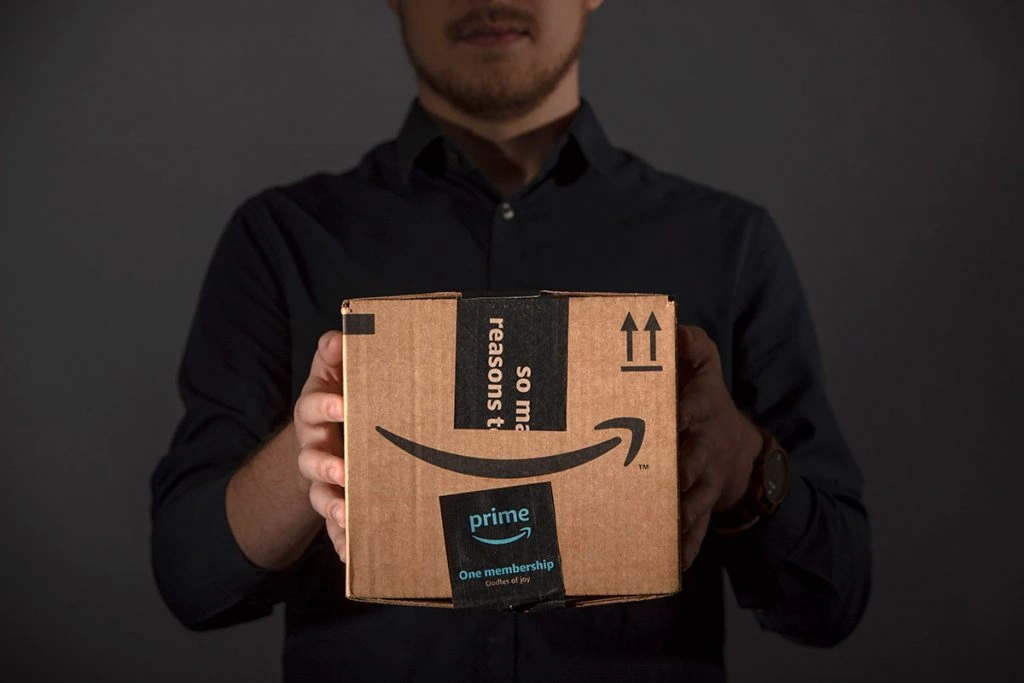
The result: a product bought on Amazon, sent in an Amazon-branded box, might actually come from a third-party supplier.
So is buying on Amazon safe? Below are five practical checks you can use to verify that what you’re purchasing on Amazon is safe.
5 Tips to Ensure Your Amazon Purchases Are Safe
Shopping on Amazon has become more complex for buyers concerned about safety. Third-party merchants represent an estimated 60% of Amazon’s merchandise sales, per the company. That makes it essential to determine who actually stands behind the product you’re ordering. A few extra precautions in your online shopping routine can protect you from more than just losing money.
1. Vet Third-Party Sellers
A third-party seller is an individual or business that lists products on Amazon but isn’t Amazon itself. Lots of well-known brands operate storefronts on Amazon to expand their reach.
Many smaller sellers do the same. Setting up a seller profile on Amazon is relatively straightforward, and the screening process doesn’t typically include outside lab testing the way some big retailers require.
When you’re browsing product results, you’ll see price, shipping info, the product title and the average star rating right from the search page.
What you won’t always see is the seller’s name.
To inspect the seller, click the product from the search results. Beneath the bold listing title you’ll find the seller’s name — usually a small blue hyperlink.
That link leads to the seller’s storefront page, listing other items they carry. For major brands that may provide enough reassurance. For lesser-known sellers, that page may offer little insight into who they are.
If the seller is unfamiliar, search for them online and look for at least one of the following:
- A company website with verifiable details like a staff list, addresses or contact methods.
- An authentic social media presence.
- Ratings or reviews on Better Business Bureau or Glassdoor.
- Other reputable retailers that stock the seller’s products.

2. Don’t Rely Solely on the “Amazon’s Choice” Badge
Search almost any product on Amazon and you’ll get pages of results. The top spots are often paid placements from sellers wishing to appear higher in the listings. Frequently you’ll also see a product tagged as “Amazon’s Choice,” a recommended item with a small logo. That badge can appear on items from any supplier and isn’t a definitive safety endorsement. Amazon told The Penny Hoarder that the “Amazon’s Choice” label is awarded based on price, delivery speed and customer reviews.
The Journal reported that dozens of mislabeled or unsafe third-party listings carried the “Amazon’s Choice” recommendation.
3. Scrutinize Customer Reviews
Amazon’s terms explicitly ban fake reviews and even warn of legal consequences. Yet in reality, fraudulent reviews remain widespread.
Research by The Penny Hoarder into social channels uncovered a robust underground market of reviewers with tens of thousands of participants. Sellers seeking positive feedback often post their products in private Slack channels or closed Facebook groups. Newcomers are messaged and asked to post reviews; in exchange the seller often reimburses the item and shipping plus offers a modest cash incentive, typically around $5 — a cheap cost for a higher ranking or an “Amazon’s Choice” badge.
There’s also the risk of review hijacking. The Penny Hoarder found an example where a seller initially listed incandescent light bulbs that received many positive ratings, then swapped the listing to a cosmetic product while keeping the glowing feedback — falsely making the new item look highly rated.
Amazon says it understands hijacking is an issue but asserts that 99% of its reviews are genuine.
The bottom line: third-party sellers try to manipulate Amazon’s review system, so overall ratings can be deceptive. Read a mix of reviews, not only the five-star ones; give attention to middling and negative comments as well.
An Amazon representative told The Penny Hoarder that shoppers should report suspicious reviews to customer service.
4. Be Cautious with Certain Product Categories
Different federal agencies regulate various product categories to keep consumers safe. Many consumer goods fall under the Food and Drug Administration (FDA) or the Consumer Product Safety Commission (CPSC).
Under a private label model, some Amazon sellers avoid these safeguards by buying products from overseas factories with lower or no safety standards, adding their own branding, and reselling them on Amazon as a third-party seller.
The Journal’s investigation pointed out several categories that carry higher risk if sourced from a questionable supplier:
- Items that contact your skin, such as ointments and makeup.
- Face-covering gear like masks or helmets.
- Products intended for babies or children.
- Items containing lithium-ion batteries.
- Anything that plugs into the electrical outlet.
5. When in Doubt, Buy from Another Source
If you’d rather skip the detective work of researching every seller on Amazon, consider buying from other retailers, either in-store or on other websites.
Large chains like Best Buy, Target and Walmart operate online stores where the risk of purchasing from an unvetted vendor is lower. For instance, The Penny Hoarder found that Target reviews suppliers’ product certificates and licenses before inviting them to apply to sell on the site. Walmart’s onboarding isn’t invite-only, but its vendor application asks for a business tax ID, which effectively requires sellers to be legally registered U.S. businesses.