When I found out my monthly parking pass was shooting up to $75, I hesitated. Seventy-five dollars a month just to leave my car parked while I’m at the office?
So on a humid morning, I resolved to try commuting by bike. I didn’t map the route. I didn’t plan my clothing. I didn’t even take the bike for a quick roll despite not having ridden it in months. What could possibly go wrong on a 2-mile trip?
I took my usual route to the office — a busy road with no bike lanes and a shaky sidewalk where riders aren’t exactly welcomed in the traffic. Funny how perspectives change when you’re not inside a car.
Less than a mile in, my dark jeans and black tunic were soaked in sweat. Not my best wardrobe choice for mid-90-degree weather.
But it wasn’t only the late-summer heat making me work up a sweat. I felt like I was climbing a hill — and I live in Florida. I wondered: Was biking always this tough? Have my legs lost strength?
Then a man waiting at a bus stop mentioned the obvious: My tires were low on air.
7 Tips for Anyone Who Wants to Start Biking to Work
I made it through the 2-mile ride to the office. That afternoon I took an Uber home.
A few days later the temperatures eased a bit, and a helpful colleague pumped up my tires. I decided to try bike commuting again — if only so I could ride my bike back home. This time I planned the route and chose streets with bike lanes.
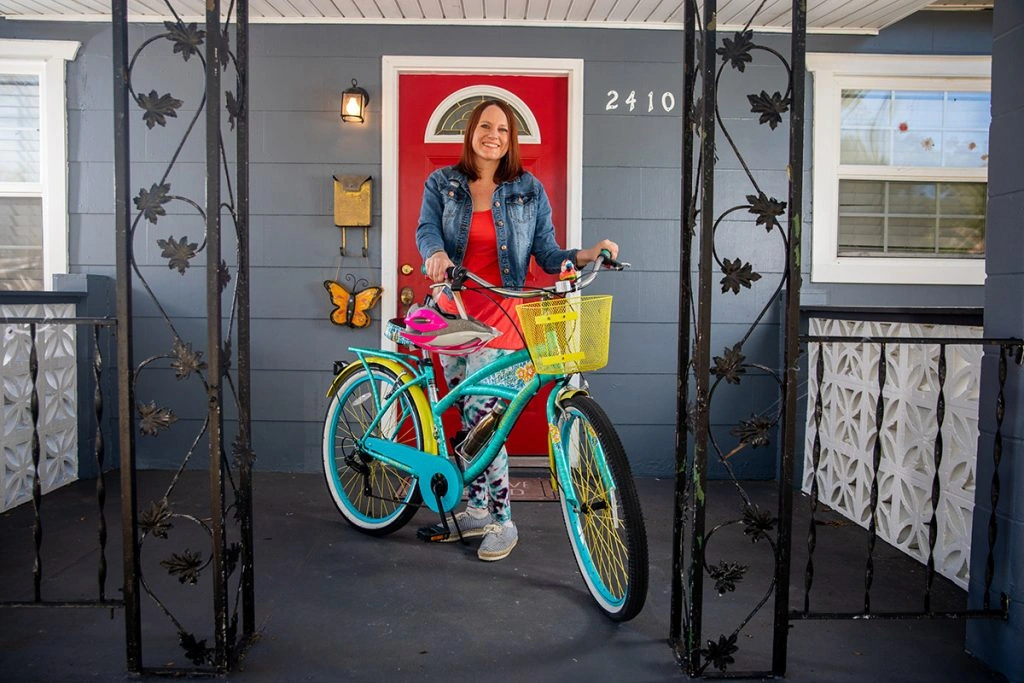
Since then, I’ve become a devoted bike commuter. I enjoy getting exercise during my trip to work, and I’m saving money. Because I live near my job, my gas savings are modest, but I ditched the $75 monthly parking pass. I also make fewer impulse purchases after work — what I can carry in my bike basket limits my post-work shopping.
Thinking of biking to work? Here are some pointers I wish I’d had before I started commuting by bike.
1. Do a Weekend Trial Run
It’s helpful to discover things — like your preferred route lacking bike lanes or your tires needing air — when you’re not racing to a midday meeting.
Try your commute as a practice ride on a weekend. You might be surprised how unsuitable your regular drive is for cycling.
Wear the clothes you’d take to work if you plan to ride in them. Seeing how much you perspire could change your mind.
2. Dry Shampoo Will Save You
Wearing a helmet is mandatory whenever you cycle, okay? That means you’ll likely deal with helmet hair.
Dry shampoo is a quick fix to freshen your hair so you look presentable at the office.

3. Choose Your Clothes for the Ride
Commuting by bike is easier when you don’t have to completely change outfits upon arrival. Pick lightweight, breathable materials like cotton or linen to reduce sweating on the ride. If you wear skirts or dresses, put on bicycle shorts or leggings underneath. (Avoid long flowing skirts and dresses.)
Keep a spare shirt in your backpack in case you sweat more than expected or pick up dirt along the way. (It happens.)
4. Lighten Your Carry
You’re trimming costs by biking, but unless you want to pay your chiropractor later, keep your backpack as light as possible. Spending on saddlebags or a rear crate is worth it if you have a lot to transport to and from work.
5. Ask Your Employer for Bike Storage
Bikes fare best indoors, where theft risk is lower and they’re less exposed to rain or snow that causes rust.
At Savinly’s St. Petersburg office, we’re fortunate to have a passcode-secured bike closet. If your workplace doesn’t offer a spot for bikes, request that your employer create one — or at least suggest an acceptable place to keep your bike.
If that’s not possible, lock your bike in a busy area using two different types of locks.
6. Have a Plan for Bad Weather
In Florida, storms can arrive without much warning. I keep a child-size poncho in my backpack to pull out if it begins to drizzle. The smaller size is important because it won’t interfere with pedaling.
Of course, you shouldn’t bike in lightning or severe weather. So have alternate transportation options for days you can’t ride.
Know of a parking option without a monthly fee, a bus route near your office or a colleague who can give you a lift. Otherwise, factor occasional Uber or Lyft rides into your budget.
7. Don’t Toss Your Parking Pass Too Soon
Had a successful bike commute? Nice!
Still, keep your parking pass for a few weeks. Bike commuting can go smoothly, but what about when you’re running late, have a morning appointment or need to dash home at lunchtime?
After a few disruptions to your routine, you’ll be better equipped to decide whether giving up parking is realistic.
Is Bike Commuting Right for You?
This isn’t necessarily an everybody-can-do-it situation. Several factors make bike commuting a fit for me:
I have flexible hours. I only work during daylight. My workplace has a casual dress code. I live and work in a bike-friendly area of St. Petersburg, Florida, which means I don’t contend with snow or freezing temperatures. I don’t have children to ferry to school or daycare. Most importantly, I feel safe riding to work.
If you want to give it a try, commit to riding three or four times over the coming weeks. Trust me: Your first attempt might be rocky. But after a few rides, it becomes routine.
What if you can’t stand it? Then the money you save probably isn’t worth the stress. Your ideal commute shouldn’t leave you exhausted before the workday even starts.
But don’t be astonished if you catch the bug. My workdays are more pleasant when they begin and end with a bike ride rather than driving circles in a dusty garage. And the $75 I’m not spending each month is a pretty nice perk.
Riley Hartman is a certified financial planner and a senior writer at Savinly.She pens the Dear Savinly personal finance advice column. Send money questions torivvy.writer@savinly.com or join the chat in theSavinly Community.