When gyms and fitness centers shut down earlier this year because of the pandemic, bicycles started disappearing from store shelves as people searched for ways to stay active while keeping a safe distance from others.
But much like cars, bicycles need regular attention. Unlike automobiles, though, many fundamental bike repairs and upkeep tasks are easy to handle on your own.
Sam Alvarez is a bike mechanic at E-Mobilize Bikes, a mobile bicycle service based in St. Petersburg, Florida that offers bike servicing, repairs and safety inspections.
“The items we inspect during a safety check are also excellent entry points for your personal bike maintenance learning,” Alvarez said.
Below are simple ways you can perform routine bike maintenance at home.

1. Monitor Tire Pressure and Tread Wear
Pay attention to your tires’ air pressure and the condition of the treads. Proactive tire care helps keep your bike running smoothly for many miles.
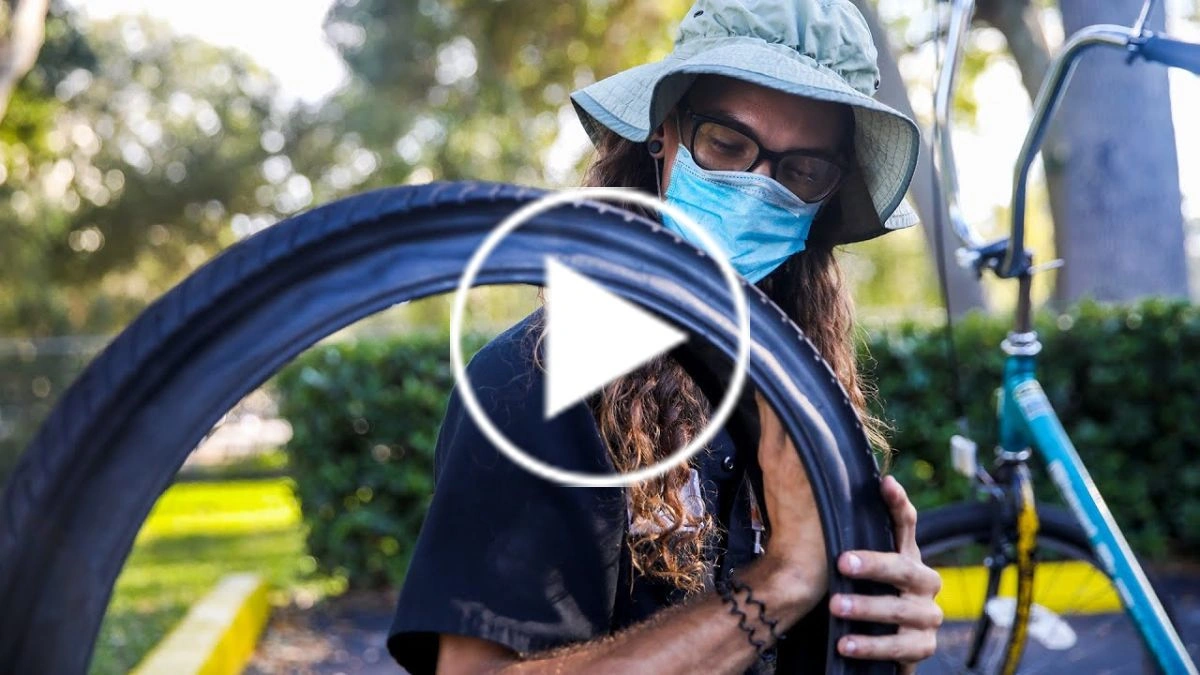
“The first thing to do when servicing a bike is to squeeze the tires,” Alvarez advised. “If they feel soft or compress easily, that’s a clear sign they need air.”
If you don’t already own a bike pump, it’s worth buying one. Pumps are available for around $20 at bike shops, major retailers and online stores.
Locate the PSI (pounds per square inch) range printed on the tire sidewall near the rim. Use that as your guide when inflating and be sure to close the valve cap when finished.
If the tire goes flat shortly after you inflate it, you’ll likely need to repair a puncture and replace the inner tube.
“If you’re handy, you can swap a tube yourself,” Alvarez said. “If you’re not comfortable, a nearby bike shop can fix it quickly and affordably.”
Tires also wear down with use. Alvarez recommends replacing tires if you can see the individual threads emerging through the tread, if glass or other debris is protruding through the rubber, or if you notice bubbles forming in the tire skin.

2. Inspect and Maintain Brake Pads
No rider wants to experience a scary lack of stopping power when descending a hill, so keep an eye on brake pads.
Bicycles typically use either rim brakes or disc brakes. While many modern bikes are equipped with disc brakes, rim brakes remain widespread. Rim brake pads have grooves and recessed channels that help the pad bite the wheel rim and slow the bike.
If your brakes feel sluggish, check the pads located near the top of the fork that holds the wheel. If the pads appear shiny and the grooves have worn flat, consider replacing them to protect your safety and the condition of your rims.
“You should be able to squeeze the brake lever and have the brakes engage with the lever no more than halfway to the handlebars,” said Alvarez. “If you need to pull further, it may be time for new pads.”
Replacing brake pads is not as intimidating as it sounds. This video demonstrates how to change them yourself and how to align and secure them correctly. All you usually need is an Allen wrench and a set of brake pads, which cost roughly $10.
3. Clean and Lubricate the Chain
The chain allows you to shift gears. Over time it gathers grime and can lose lubricant because of dirt, rain and regular usage.
Keeping the chain lubricated is essential for longevity. But first, you should clean it.
To clean the chain, apply a little dish soap to a damp rag and run it over the chain while rotating the pedals backward. To re-lubricate, place a few drops of chain lubricant on the rollers — avoiding gears and chainrings — and then backpedal to distribute it.
“You’ll know it’s time for lube when your bike sounds like it has a family of mice living on it,” Alvarez quipped.
If your bike squeaks loudly, the chain is a good place to start troubleshooting.
There are many lubes available; a basic wet lubricant such as this Finish Line product will typically work well and costs under $10.
Proper chain upkeep not only reduces noise but also preserves other vital components like the chainring, gears and derailleur throughout their lifespans.
4. Check That Bolts Are Secure
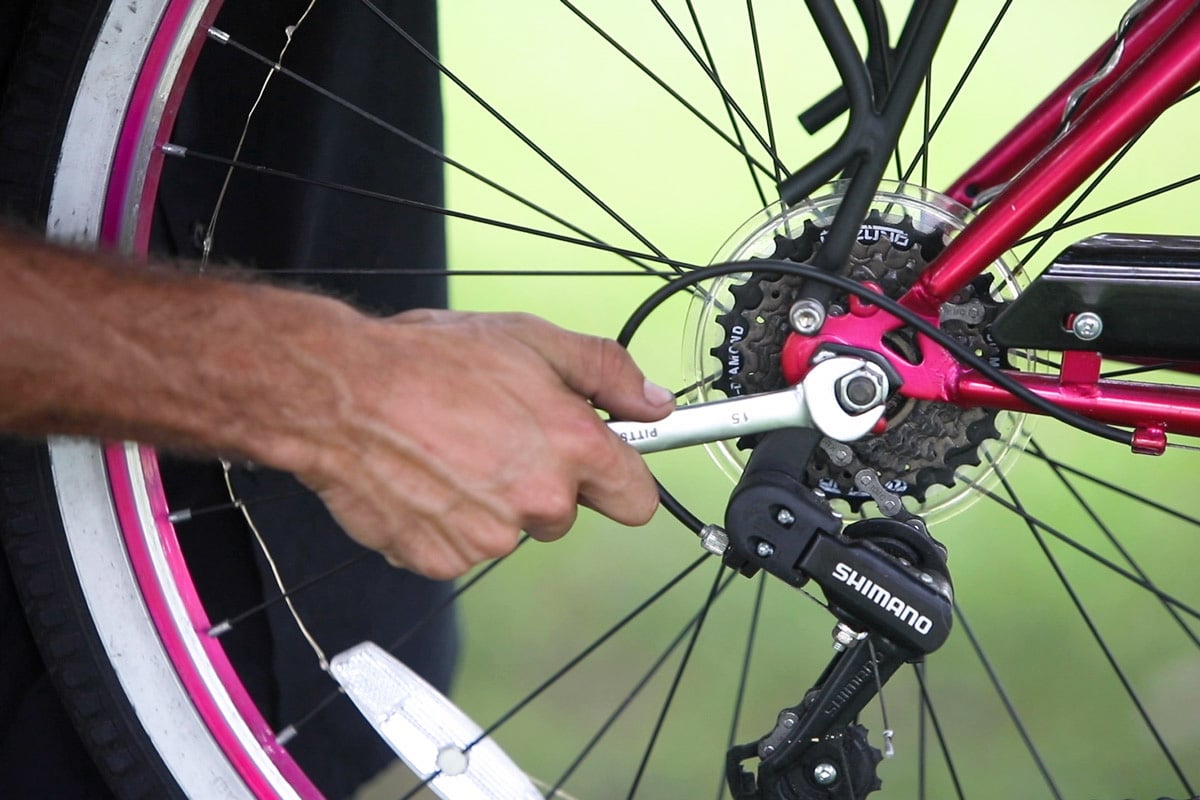
It should go without saying that no cyclist wants their bike to come apart mid-ride. That’s why checking that bolts are properly tightened is essential.
The stem, which connects the handlebars to the frame, is a key area to inspect. Alvarez offers a simple test.
“Put the front wheel between your legs while standing and try to turn the handlebars gently,” Alvarez suggested. “If the bars move or wobble, you need to tighten the stem bolts.”
Alvarez noted that many bikes bought from mass-market retailers like Target, Walmart and Dick’s Sporting Goods aren’t assembled by experienced bike mechanics, so it’s common for some bolts to be under-tightened.
Be cautious not to over-tighten bolts, however — that can strip threads or crack components. If you’re unsure, many shops will perform a safety check and tighten bolts for free. Just bring the bike to your local shop and ask.
5. Keep Your Bicycle Clean
Although grime and mud won’t ruin a bike overnight, accumulated gunk can gradually corrode bolts, gears and chain links, among other parts.
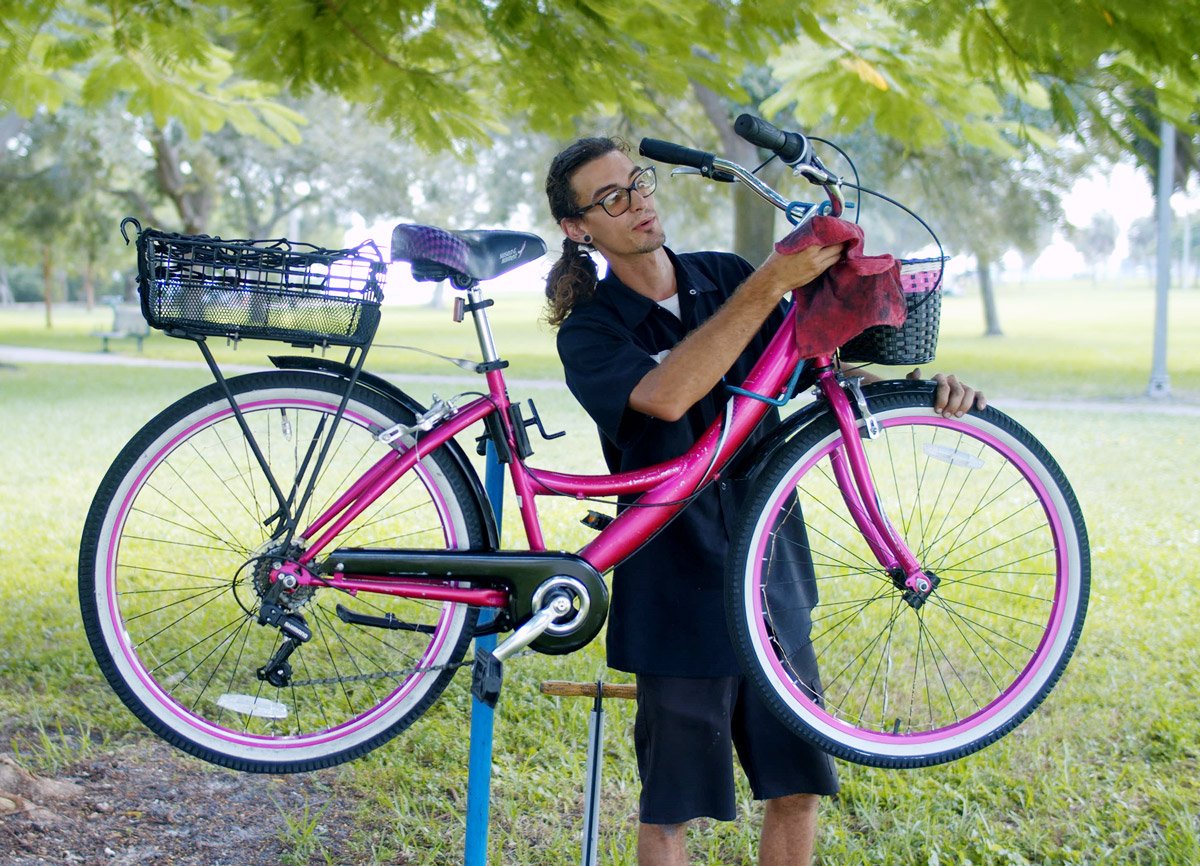
Regular cleaning helps your bike last longer. You don’t need an intensive detail — Alvarez says a basic wipe-down with soap and water is sufficient.
“Use a bit of dish soap and a damp rag to remove dirt and wipe down the frame,” he said. “Rinse off any leftover soap or debris with warm water, then dry the frame.”
As you become more familiar with upkeep, you can delve into deeper cleaning of the tight spots, but if you’re cautious about working on your bike, focusing on the main frame areas will keep it in good shape.
Alvarez’s final tip: get to know your bike before attempting repairs.
“Make sure you understand how something operates before putting tools to it,” Alvarez said. “If you can’t figure out how it works, don’t start wrenching — bring it to a technician.”
Some problems are beyond DIY fixes, such as internal hub issues, complex gearing faults or frame problems. In those situations, visit a local bicycle shop or cooperative. Most standard repairs and tune-ups cost between $50 and $100 and are worth the expense to keep you and your bike rolling for many more miles.
Jenna Morales is a contributor to Savinly.