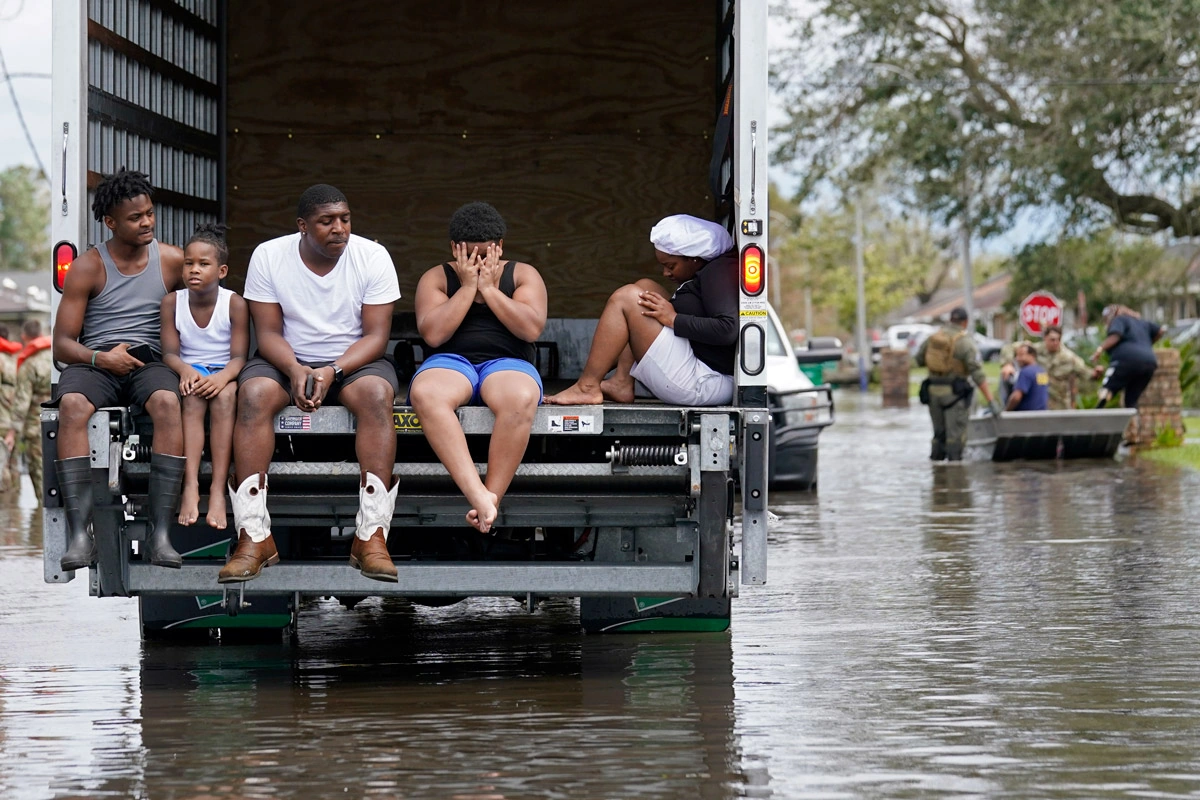
Hurricane Ida in Louisiana, widespread wildfires across the West and recent flooding in Tennessee have disrupted countless lives and damaged homes and possessions, as well as upsetting where people shop and work.
Once a natural disaster passes, most people want to restore their homes and routines as fast as possible. But when thousands need roofers with ample supplies, help removing downed trees or fixing broken windows, “fast” often isn’t realistic.
Compounding the problem is that every catastrophe attracts individuals who try to exploit those who are suffering. In the wake of Hurricane Ida, many New Orleans residents will be without electricity for days or even weeks, heightening panic and urgency. Scammers know victims are most vulnerable in these moments.
The internet has made disaster-related fraud a lucrative enterprise. Whether it’s solicitations for donations or promises to rebuild homes or reconnect utilities, unscrupulous actors are poised to take advantage of both injured residents and well-meaning helpers.
No matter how eager you are to get work done, don’t rush into agreements if you’re unsure about the person or group offering help. The same caution applies before you donate to a relief effort.
Below are practical tips and government resources to help you spot and avoid fake charities and fraudulent cleanup or repair contractors.
Be Wary of Fraudulent Work Crews
After a disaster, homeowners understandably focus first on clearing debris and making emergency repairs. Dishonest contractors often try to entice homeowners into signing up for cleanup or repair services.
The Federal Trade Commission provides a number of suggestions for spotting phony contractors or crews, and explains what you can do if promised work is not completed after you’ve paid.
Some hiring tips for disaster recovery help include:
- Verify the cleanup team holds the appropriate license and has a business website or active social media presence.
- Insist on a written contract outlining services and an estimated completion date.
- Call the phone number listed on the contract to confirm it reaches the company and not someone else.
- Avoid paying in cash and do not pay fully before work is finished. Legitimate companies will accept these conditions; scammers usually will not.
- Shield personal data like Social Security or bank account details. Be cautious if someone requests this information.
Someone claiming to be with a federal agency should present official ID, give contact details you can verify, and will not demand money for permits, grants or similar fees.
Verify the Charity You’re Considering
The American Red Cross, The Salvation Army, and the National Organization for Victim Assistanceare established relief groups with proven capabilities and infrastructure.
If an unfamiliar group contacts you for disaster relief donations, research them online and review their website before contributing.
The Federal Trade Commission’s Scam Watch feature warns about charity fraud after disasters and its guide on how legitimate charities operate is a helpful resource.
When donating, use a credit or debit card or write a check instead of giving cash. Those payment methods create a paper trail should the donation’s legitimacy be questioned.
Federal Agencies Do Not Initiate Contact
If you get an unexpected email, text or call from someone purporting to be a government official, it’s likely a scam.
Federal, state and local agencies generally handle applications and communications through their official websites and email. The Federal Trade Commission, the Federal Communications Commission, and the Consumer Financial Protection Bureau all offer user-friendly websites with information and assistance.
If an individual soliciting aid cannot provide an official website, ask for one and verify it. If the site is not a .org or .gov address, it is a private enterprise.
That doesn’t automatically mean the organization is fraudulent, but you should do due diligence by checking its standing with the Better Business Bureau.
Use All Trusted Sources
The Federal Trade Commission, Federal Emergency Management Agency, and local disaster relief agencies can help you locate properly licensed, insured contractors and reputable charities. AARP offers guidance aimed at protecting older adults.
If you are repairing insured property, notify your insurer right away to start a claim and consult them before hiring any repair firm.
Your neighbors are another resource. They’re dealing with the same problems and can share experiences or recommendations about relief efforts or contractors. There’s safety in numbers, and your community can offer support and reassurance.
Kent McDill is an experienced journalist focusing on personal finance since 2013. He contributes to Savinly.