I once believed I had to purchase specific commercial products until long stretches of being short on cash pushed me to discover budget-friendly DIY replacements. Over time I also learned to skip certain items entirely.
Hunting for lower-cost alternatives to pricey household goods can trim your expenses and add up to noticeable savings over the long haul.
Low-Cost DIY Swaps for 11 Household Essentials
Cross these goods off your shopping list and keep more money in your wallet by choosing cheaper options — or by experimenting with a bit of DIY.
Deodorant
I went years without buying deodorant because I didn’t truly need it. If it isn’t necessary, why pay for it?
Eventually I did want something and came across a cheap natural solution that amazed me.
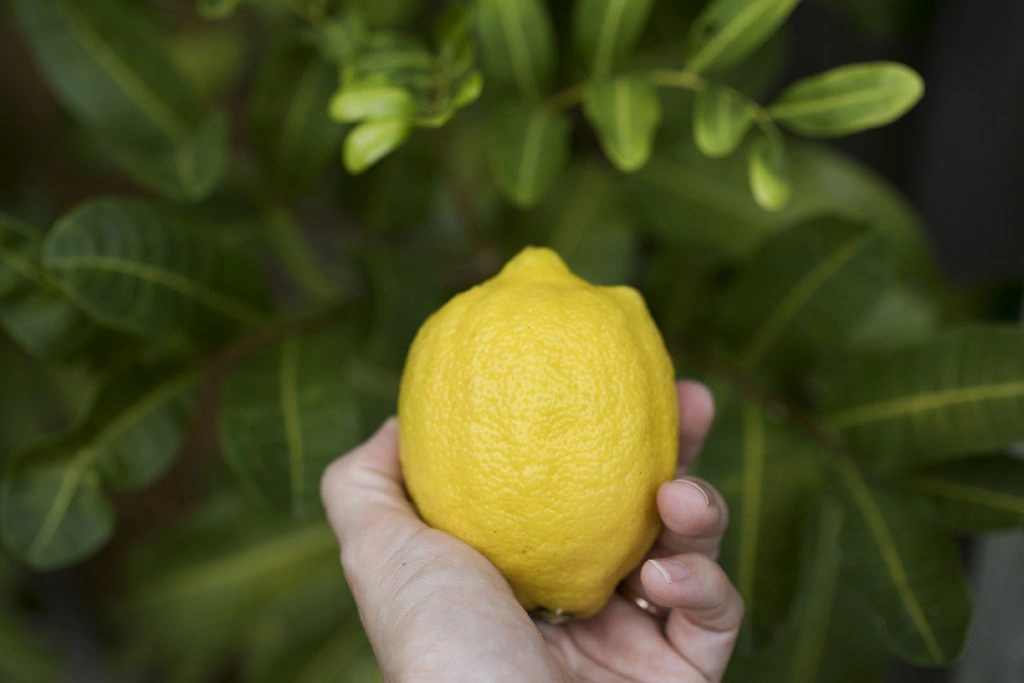
Lemons act as a natural deodorant. The citric acid inhibits bacteria and odor, and this approach is completely natural.
Slice a lemon into wedges and rub the juicy side across your armpit until the area is damp. One wedge commonly covers both sides. It doesn’t take much, and the same wedge can be reused until it dries out — which might be days or even over a week.
Use fresh or overly ripe lemons and experiment with wedge size to find what suits you. Keep in mind lemons won’t stop sweating because they’re not antiperspirants.
Pro tip: Don’t apply directly after shaving, folks. It stings and can irritate freshly shorn skin. Trust me.
Not keen on lemons? Consider a Crystal brand mineral deodorant instead. One stone is roughly $3 and can last about a year.
Mouthwash

A brand-name mouthwash typically costs $5 to $10. A saltwater rinse costs only pennies. Mix ordinary table salt with warm water and you’ve got the cheapest mouth rinse imaginable.
Apple cider vinegar is another age-old homemade mouthwash used before store-bought varieties became common. Combine two tablespoons of apple cider vinegar with a cup of filtered water.
You can also reach for something you probably already have in your medicine cabinet: hydrogen peroxide.
Look at the label — many bottles say “oral debriding agent,” which means they’re acceptable as an oral wound cleanser. The back usually includes instructions: dilute with water and swish briefly.
Use the peroxide-water mix immediately and don’t store any leftover solution.
Dr. Hana Rashid, a dentist in Roseville, California, says she enjoys gargling and swishing with peroxide, especially when she’s battling a cold or sore throat.
It can help reduce oral inflammation and curb bleeding from gum issues between appointments. The bubbling or mild burning sensation is a sign it’s working to calm inflammation.
“It’s not an unsafe mouthwash, but you should avoid swallowing large amounts,” she noted.
Peroxide is also the active ingredient in many tooth-whitening products, so if kept in the mouth too long it may temporarily lighten your gums for about 20 to 30 minutes, Rashid warned.
Swishing with peroxide offers many of the same effects as pricier mouthwashes, though it’s not going to taste pleasant.
“I like adding essential oils like peppermint, cinnamon bark and clove to water,” she said.
Mix peroxide with baking soda to make your own whitening paste and skip the expensive whitening strips while you’re at it.
Shaving Cream

I quit buying shaving cream years ago.
I simply use bar soap or hair conditioner instead.
Many of us have a nearly empty conditioner bottle taking up space in the shower. Put that bottle to work the next time you shave — you’ll wonder why you ever bought shaving cream.
Conditioner and bar soap aren’t always perfect for facial shaving, so consider shave soap or aloe vera as alternatives. A $3 bar of shave soap can last over six months.
Aloe vera can be applied directly from the plant or from an inexpensive gel and also makes a soothing aftershave. Its anti-inflammatory properties help reduce razor burn and irritation. If you grow it, it’s essentially free — consider planting one!
Cleaning Rags
It took me a while to realize I didn’t need to purchase cleaning rags. (Don’t feel bad if it took you awhile, too.)
Repurpose old undershirts, scrap fabric and any clothing you can’t donate.
Cut or tear them into manageable pieces — just remove buttons first. Smaller pieces last longer and give you a steady supply for cleaning tasks. Toss them in the wash and reuse until they’re too worn to use.
An orphaned sock makes a great dusting mitt — slip your hand inside and scrub. Wash and repeat.
Paper Towels

This habit is tough to break. Paper towels are woven into our routines — we grab them to mop spills, wipe greasy hands or pick up debris without thinking.
My usage dropped substantially after I bought a pack of 12 cloth napkins for about $12. I reuse each napkin several times before washing (unless it’s very messy) and always have extras for visitors.
This simple change cut down my paper towel consumption and freed up a little grocery money.
A friend likes to buy inexpensive fabric from thrift stores and repurpose old tablecloths into napkins instead of using paper towels.
For spills or drying hands, reach for washcloths, dish towels, or something from that t-shirt rag pile. You might be surprised how seldom you actually need paper towels.
Makeup Remover

There are wipes, creams, pads and a range of tools marketed to remove makeup at night.
Stocking those items takes up space and chips away at your budget for items that matter more.
Jojoba, olive and coconut oil remove makeup effectively.
These single-ingredient solutions last for months, serve multiple purposes and take up little space. You may already have one in your pantry. Try what works best for your skin.
If oil isn’t suitable, alternatives include aloe vera, alcohol-free witch hazel, shea butter, a cotton ball dipped in milk or cucumber slices to lift makeup.
Bathtub Cleaner
I’ve tried dozens of bathroom cleaners, and none felt perfect.
Once I even tried mixing several cleaners together to tackle stains — a dangerously bad idea that didn’t help.
Did you know you can clean your bathtub using grapefruit or lemon?
Wet the tub, halve a grapefruit and sprinkle salt on the cut surface, then scrub. This works on sinks and faucets, too.
A lemon with a scrub brush produces similar results. The acidity cuts through grime and leaves the bathroom smelling fresh — not like a chemical assault.
If you’d prefer to skip fruit scrubs, try inexpensive DIY cleaner recipes or a homemade product to do the job.
Dryer Sheets
Dryer sheets are a typical laundry addition that you really don’t need. They’re single-use, wasteful and contain chemicals.
I stopped using them years ago and haven’t missed them.
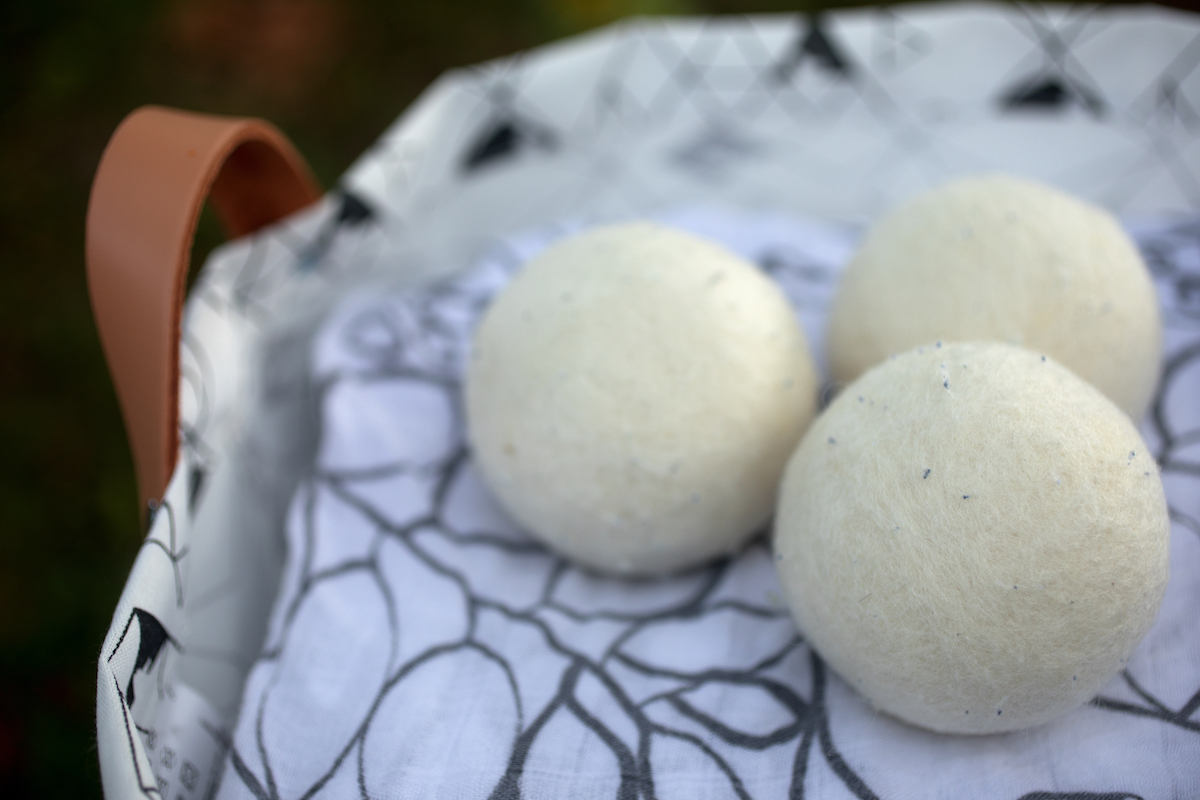
If you live in a dry area or suffer from static cling, try wool dryer balls instead of sheets.
They last for thousands of cycles, cut down on static and wrinkles, speed drying and are inexpensive, non-toxic and chemical-free.
WD-40

Know what’s in your kitchen that behaves like WD-40? Cooking spray.
Yes — I use cooking spray anywhere I would normally use WD-40.
It lubricates sticky locks, quiets squeaky doors and can help remove gum. You can also use shortening or a blend of cooking oils you have on hand.
Fabric Softener
Remember that almost-empty conditioner bottle we mentioned earlier? If you don’t want to use it for shaving, repurpose it as a fabric softener.
Try this simple homemade fabric-softener mix: combine two cups of conditioner, three cups white vinegar and six cups water, and add a few drops of essential oil if you like. Suddenly you’ve avoided buying pricey fabric softener.
Stain Remover

Stains vary widely in how to remove them, but one versatile secret is blue Dawn dish soap. It’s a common base in many DIY stain-busting recipes.
Typical homemade solutions include combinations of peroxide, baking soda and water. You may find a favorite formula, but to start, try this mom-tested “miracle cleaner” that works on carpet, clothing and upholstery.
Excited to try these hacks at home?
Next time you’re shopping, smile as you pass by items you no longer need to purchase.
Riley Adams is a staff writer at Savinly. She may lean toward granola-friendly habits.