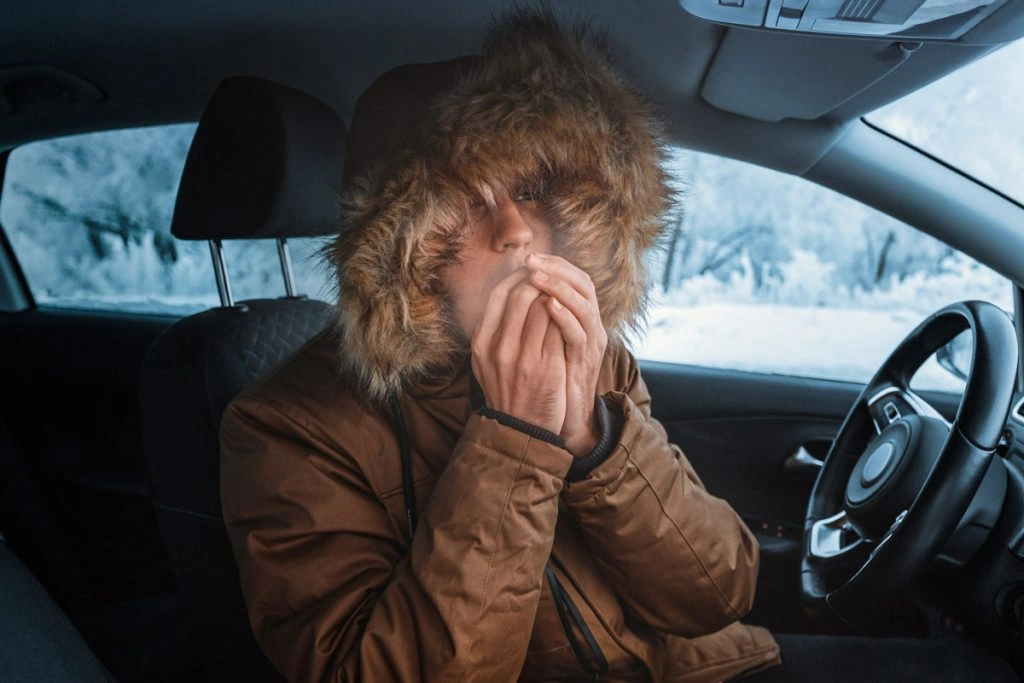
If cars could express discomfort, they’d likely despise raw winter conditions.
Slippery, icy surfaces can make tires lose grip. Bitter cold can thicken fluids, hindering your vehicle’s performance.
Having your car fail on the roadside is bad enough, but it’s far worse when wind chill is subzero and snow drifts waist-high.
Prevent breakdowns and avoid costly mechanic bills with these suggestions from the Car Care Council on prepping your vehicle for the winter months.
And a reminder: if your city, county or other authority issues a travel advisory telling you to stay off the roads, follow that guidance and remain indoors until conditions improve.
6 Simple Steps to Winterize Your Vehicle
These pointers will help keep your vehicle operating reliably during cold weather.
1. Maintain Sufficient Fuel
When your car will sit idle for extended stretches, keep the fuel tank at least two-thirds full; if you drive it daily, aim for it to be roughly half full. A nearly empty tank raises the likelihood of moisture building up in fuel lines and potentially freezing as humid air condenses in cold weather.
2. Monitor Tire Pressure
Cold weather reduces tire pressure by about one pound per square inch (1 PSI) for every 10-degree drop. Check your vehicle’s tire pressure regularly (including the spare). If snow and ice are common where you live, think about using dedicated winter tires.
3. Inspect for Leaks
Have your exhaust system inspected for carbon monoxide leaks. Carbon monoxide has no smell, and exposure to high levels can be deadly. This is particularly crucial in winter since you often drive with the windows closed and may keep your car in an enclosed space.
4. Allow a Proper Warm-Up
When temperatures dip below freezing, give your car a few minutes to warm up. This helps engine and transmission oil circulate and reach operating temperature.
5. Choose Low-Viscosity Oil
Think about switching from 10W-30 to 5W-30 oil, because heavier oil can make cold starts more difficult. Lower-viscosity oil (5W-30) flows more readily between moving parts when it’s frigid outside.
6. Keep Your Windshield Clear
Take the time to remove ice and snow from your windshield, and confirm your wiper blades are in good shape before you drive. Use winter-specific washer fluid and consider winter windshield blades to maintain visibility during snow and sleet.
Jordan Blake is a senior writer at Savinly.