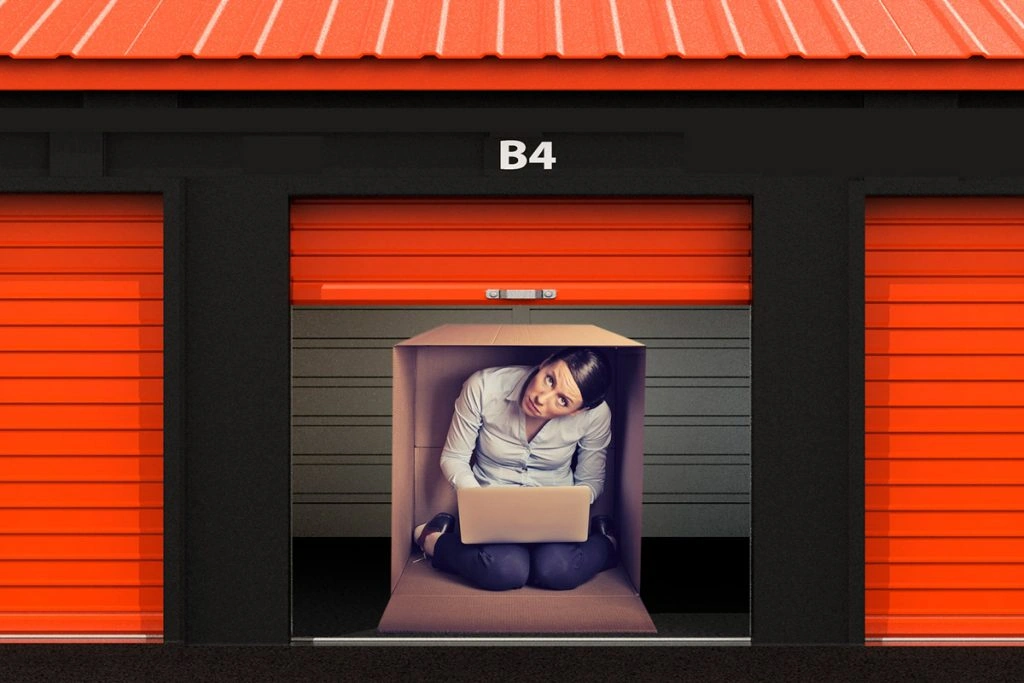
Packing is a chore nobody looks forward to.
There’s nothing particularly fun about stuffing boxes and containers with your possessions and hauling them off to a different place.
The process becomes even more demoralizing — and costly — when you tack a rented self-storage unit onto the scenario. Now you’re shelling out money to keep items you rarely see or use.
Still, renting a storage unit can be practical if you’re between residences, downsizing to a smaller place or simply running out of room at home. The key is doing it smartly so you don’t waste cash.
Below are five storage tips that can help you cut costs.
1. Decide Whether You Actually Need a Storage Unit
A storage unit isn’t always the only solution when you need extra room. In many cases, it might not be worth it.
For instance, paying $85 a month for a unit for a year adds up to more than $1,000 for things that likely are losing value over time.
You may be better off selling items now and using the proceeds to repurchase essentials later. Or take that money to pay down debt or invest for a sturdier financial footing.
If you’d rather not part with your things, ask family or friends whether they have spare space — or get inventive with overlooked areas in your own home.
There are also alternative storage solutions — like Neighbor, a peer-to-peer storage marketplace that often offers rates around half what conventional self-storage costs.
2. Choose Your Storage Location Carefully
Opting for the cheapest facility isn’t always the wisest move. You want a place that protects your items from damage or theft.
Research facilities by checking ratings and reading customer reviews. Visit in person and observe the security features. Is the property gated? Well-lit at night? Adequately monitored by cameras?
Think about the kinds of units available. Outdoor, garage-style units may be less expensive than indoor, climate-controlled ones on upper floors. Yet that indoor unit is less likely to suffer from weather exposure, pests, or break-ins.
If you anticipate visiting your storage frequently, pick a conveniently located facility so you don’t waste time and gas getting there.
3. Be Selective About What You Store
Items that are extremely fragile, valuable, or sentimental merit extra consideration before being put into storage. Avoid stashing food or other perishables that could rot and attract pests.
If you’re storing wood or upholstered furniture, electronics, books or artwork, splurge on a climate-controlled unit so you don’t discover later that extreme heat, cold, or moisture ruined your belongings.
Having insurance for items in storage is a prudent step because you can be reimbursed if something goes wrong. Don’t automatically buy the policy a facility offers. Your renter’s or homeowner’s insurance may already include coverage, or you might add it to your existing plan. Compare costs and protections to find the best option.
4. Set a Clear End Date
Storage rentals should be temporary ideally, but many people find themselves paying for units far longer than planned.
Set a deadline for when you’ll remove your things and do your best to hit that target. List the tasks needed to reach the goal and work through them methodically.
Paying the bill each month manually instead of using auto-pay can help you stay aware of the recurring cost. If you think you’ll miss a payment, use automatic payments — just don’t forget to review your account regularly.
5. Store Smart to Save Space and Money
The bigger the unit, the higher the monthly price. Ask the facility for a unit size guide so you avoid renting space that’s too large (or too small).
Maximize the unit by stacking boxes and using vertical space. Put small items inside furniture drawers, cabinets, or shelving units. Protect breakables so nothing gets damaged.
Buy a durable lock to secure your unit, and keep track of the key so you don’t need a locksmith on moving day.
Edited by Jamie Rivers, senior staff writer at Savinly.