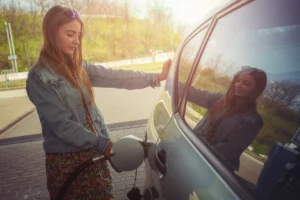
Driving out onto the open highway is a wonderful way to escape for a while. A road trip can also be an economical way to vacation — that is, if you plan it smartly. Even with current fuel prices, driving frequently costs less than flying, especially for families. These road trip tips can help you trim expenses even further.
If a road trip is in your plans, take advantage of fuel rewards programs. Of course, how much you save depends on where you’re headed and how far you’ll travel.
Road trip expenses tend to creep up rather than hit you with the immediate sticker shock of an airline ticket. Don’t worry — there are plenty of strategies to reduce costs. Try these practical road trip tips.
37 Cost-Saving Road Trip Tips
1. Travel With a Friend or Two
Solo travel has perks, such as enjoying your own playlist without compromise. But sharing a road trip with companions lets you split costs like gas and accommodations.
Traveling with another person can literally halve your expenses. It also makes long drives more tolerable. Just pick someone you don’t mind being cooped up with for extended periods.
Set expectations before you leave so you’re aligned. You don’t want to be surprised mid-journey by discovering your partner prefers upscale hotels and museum visits while you were hoping to camp and hike — two very different trips with very different budgets.
Need Fast Cash to Boost Your Vacation Fund?
Let’s be honest: Even the savviest budget traveler needs money for trips. Need to grow your vacation stash quickly? Here are some of our top ways to earn fast cash so you can afford your getaway.
2. Set — and Follow — a Budget
The freewheeling feeling of a road trip can make budgeting feel restrictive, but you’ll be grateful you planned when you return home without overspending.
Main expenses to prepare for include:
- Fuel
- Accommodations
- Food
- Activities/entertainment
Also reserve funds for parking, tolls, souvenirs and other incidentals that pop up.
3. Do Basic Car Maintenance Yourself
Before departure, ensure your vehicle is in good condition for the outbound and return legs. A professional tune-up is useful, but doing some maintenance yourself saves money.
Check your spare tire’s condition and have the necessary tools to change a flat. Watch online tutorials prior to your trip for guidance on changing a tire or doing an oil change.
4. Pack a Roadside Emergency Kit
Safety is key on road trips — even the safest drivers can encounter unexpected issues. A well-stocked emergency kit should include:
- Jumper cables or a battery booster
- Flares or reflective cones
- A phone charger
- A flashlight with spare batteries
- A basic toolset
- A first-aid kit
- A blanket
- Water and snacks
It’s also wise to carry the owner’s manual for your car.
5. Have Roadside Assistance
An emergency kit only goes so far if your car breaks down or you’re in an accident. That’s why roadside assistance is invaluable.
Before signing up for a service like AAA, check whether you already have coverage through OnStar, your insurance, or another provider. Rental cars may offer roadside assistance as an optional extra.
6. Create a Flexible Route Plan
These road trip tips don’t advocate micromanaging every minute — spontaneous detours often become the highlight of a trip. Still, it’s smart to have a general plan so you can budget and save accordingly.
Since plans can change on the road, know cancellation rules for hotels, Airbnbs, campsites or pre-booked tickets.
7. Use a Road Trip Planning App
Planning the trip can be almost as fun as taking it. Use free apps like Roadtrippers to bookmark favorite stops, locate historic sites on your route, and filter places by categories such as “breweries near hotels.”
If you’re exploring a particular region, the quirky Roadside America app (a la carte regions for $3.99) helps you discover oddball attractions that become memorable talking points.
8. Pick a Destination Within a Tank of Gas
This one’s simple: the closer your destination, the less you’ll spend on fuel. If you want a quick escape rather than a cross-country adventure, choose a spot reachable in a day’s drive.
9. Cut Fuel Costs
Gas is a major road trip expense. Ways to save include:
- Check price comparison apps like GasBuddy.
- Use a fuel rewards credit card and grocery fuel programs.
- Choose regular gas over premium unless your car requires it.
- Fill up in small towns rather than highway exits or big cities.
- Keep tires properly inflated and ensure a tight gas cap seal.
- Maintain a steady speed instead of frequent acceleration.
10. Use Cruise Control
Maintaining a steady speed improves fuel economy. Cruise control also reduces the chance of getting speeding tickets — an easy way to blow your travel budget.
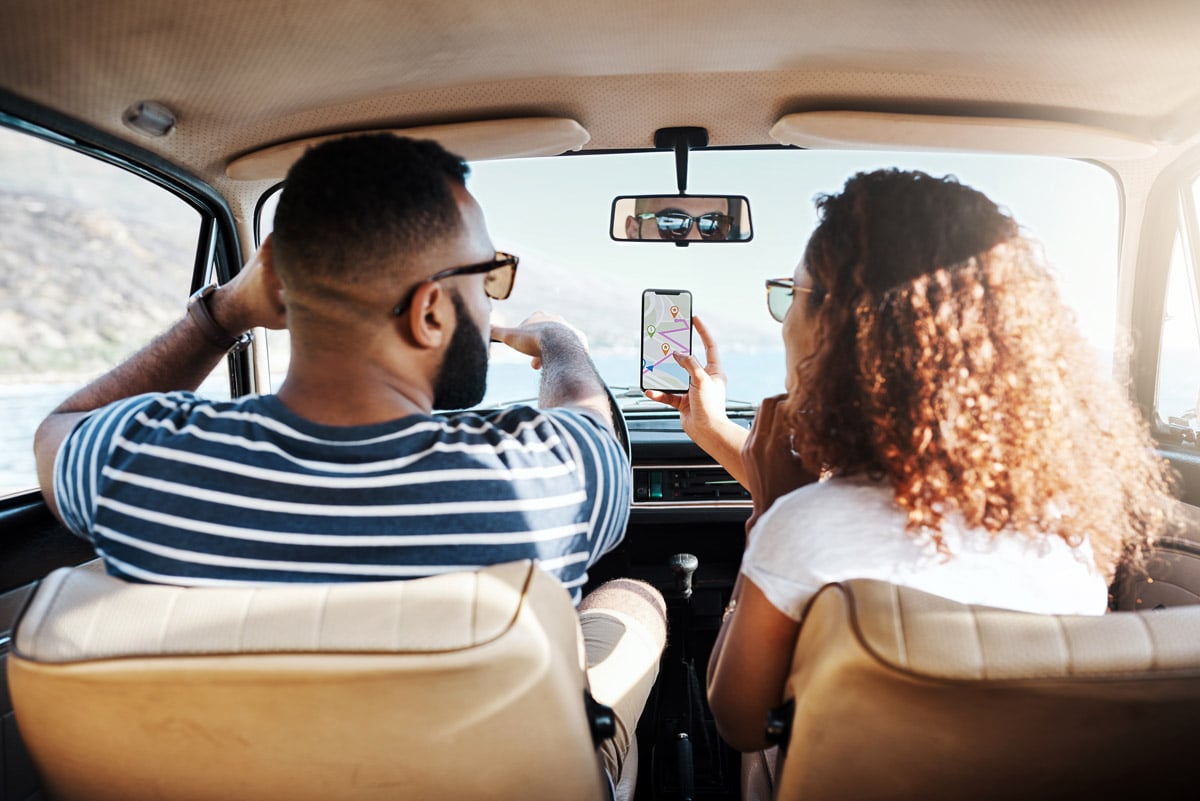
11. Make Full Use of Your Navigation System
Navigation apps do more than guide you to the final stop. Use them to identify tolls (or avoid them) and find alternate routes to bypass traffic jams.
12. Drive During Off-Peak Times
Avoid traffic to save gas by driving during off-peak hours. Aim for the bulk of driving between 10 a.m. and 3 p.m., or if you like early starts or late nights, drive before 6 a.m. or after 7 p.m.
13. Download Offline Maps
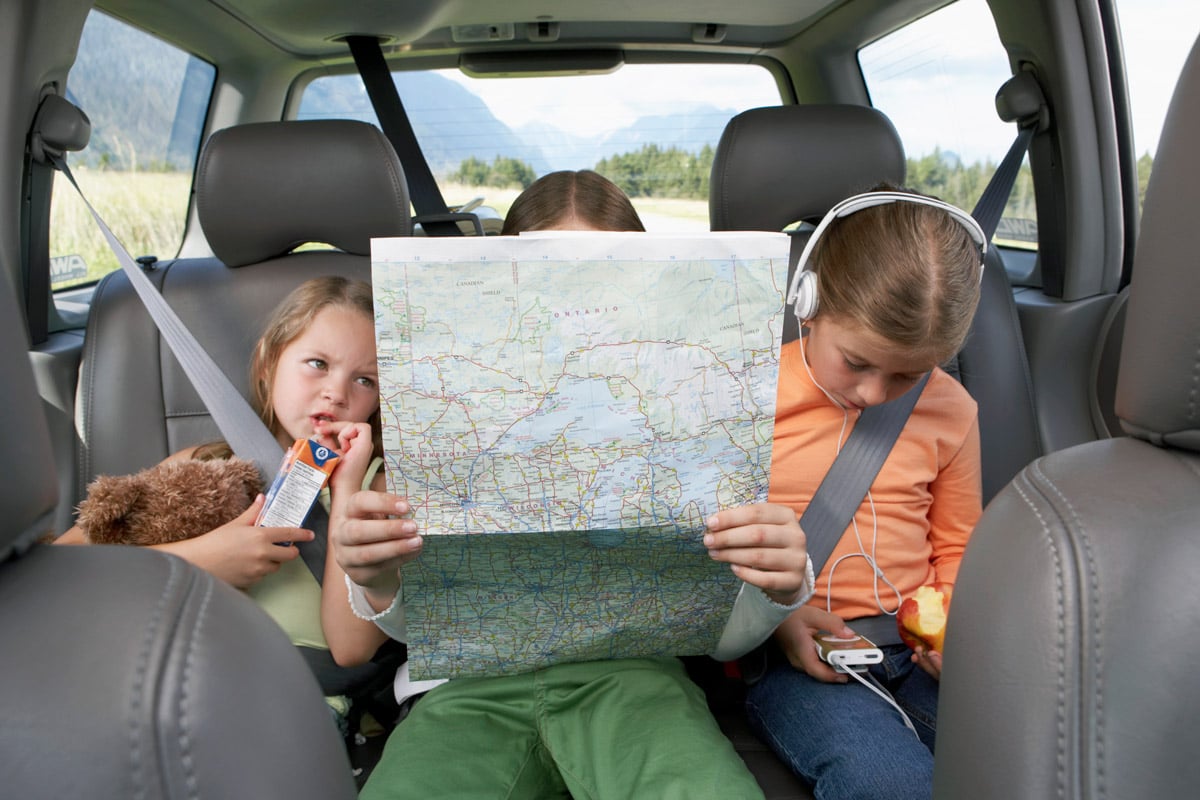
Cell reception can be unreliable on long drives, so download maps from Google Maps or use alternatives like Waze. Apps such as Maps.me let you download maps for offline use. Of course, an old-fashioned paper map can still save the day.

14. Bring Essential Documents
Have important documents handy: your driver’s license, passport (for border crossings), registration, proof of insurance and roadside assistance details. Ensure everything is current and easy to reach.
This might seem obvious, but having everything up to date prevents costly fines if pulled over and asked for expired paperwork.
15. Keep Kids Busy With Free Apps
For family trips, you don’t need to buy expensive entertainment devices. Search for free children’s apps to keep them occupied during long stretches of driving.
16. Try Screen-Free Entertainment
If you want more interaction with travel companions, revive classic road trip games. Before you go, write down a few game titles and rules and draw one from a hat. Games are fun for adults, too.
17. Download Audiobooks and Podcasts
After many hours of music, variety helps. Borrow audiobooks from your library for free or use trial offers from audiobook platforms (remember to cancel if you don’t want recurring charges). Podcasts are another low-cost way to pass the time.
18. Pack Carefully
You can’t take everything, but bring essentials so you don’t need to buy clothing or gear on the road. Pack weather-appropriate items — a jacket for cool climates, an umbrella for rainy weather, swimwear for the coast — and extra undergarments.
If you prefer packing light, you can wash essentials in a sink and hang them to dry.
19. Bring Your Own Snacks
Buying snacks at convenience stores adds up fast. Buy favorites in bulk and portion them into resealable bags. Include healthy options like fruit and carrot sticks, and use a cooler for perishables.
20. Bring Your Own Drinks
No need to pay inflated prices for bottled water at each stop. Bring water bottles, filtered bottles, or favorite beverages. Powdered drink mixes, instant coffee and tea bags are handy — many restaurants will provide hot water for free.
21. BYOB
Bring your own alcoholic beverages to cut down on bar tabs. Enjoy drinks at a campsite or scenic spot instead of paying bar prices for cocktails or craft beers.
22. Prepare Your Own Meals
You don’t have to eat every meal out. Seek accommodations that include breakfast, pack groceries, or cook at campsites with grills. Even motel microwaves and mini-fridges can be useful. A kitchenette or full kitchen in a rental can save a lot on food costs.
23. Reduce Restaurant Spending
When dining out, keep costs down by:
- Eating breakfast or lunch instead of dinner.
- Taking advantage of happy hours and specials.
- Ordering appetizers instead of entrees.
- Using coupons or deals on sites like Groupon.
- Getting food to go to avoid upsells.
- Joining restaurant loyalty programs for discounts.
- Choosing local, less touristy spots for cheaper meals.
24. Try the Upside App for Cash Back
Everyday costs like gas, groceries and dining are rising. The free Upside app can help you earn cash back on purchases — up to around $290 per year for frequent users.
Use Upside’s map to find participating gas stations offering cash back per gallon. The app also provides cash back offers at many restaurants and grocery stores.
Download the Upside app, create a free account, locate participating spots, claim offers and pay as usual with the linked card. Follow any app steps to secure your cash back.
25. Avoid ATM Fees
Carry some cash for places that don’t accept cards or charge fees. Bring a few rolls of quarters for tolls or laundromats.
Use ATMs in your bank’s network (like MoneyPass or Allpoint) to avoid surcharges. Let your bank know you’ll be traveling so they don’t freeze your card for suspicious activity. You can also get cash back at stores with a debit purchase.
26. Don’t Overpay for Parking
Parking in city centers can be expensive. To save:
- Use parking apps like BestParking or SpotHero.
- Park at a park-and-ride and take public transit into downtown.
- Compare parking costs with rideshare fares.
- Set a timer on your phone so you don’t overstay and pay extra fees.
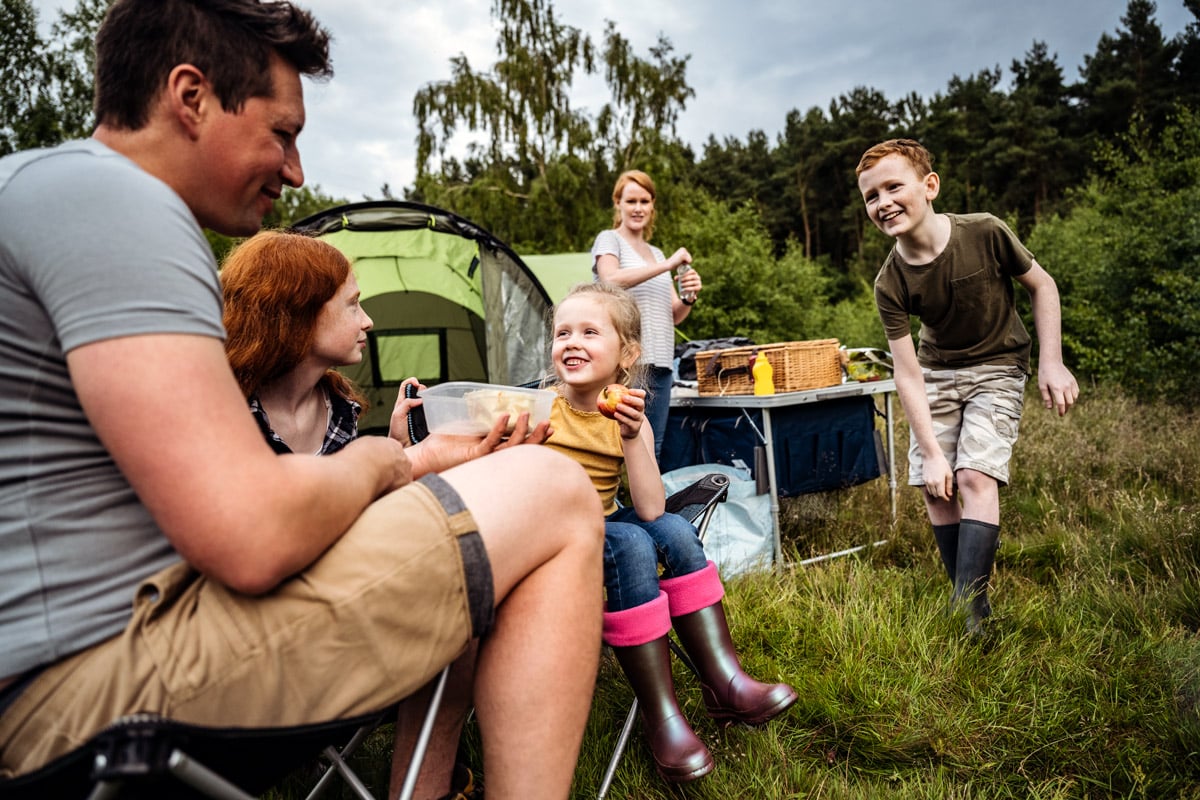
27. Go Camping
Camping is much cheaper than a hotel, especially if you own or can borrow gear. If you can find free campsites, you’ll save even more.
Save on campsite costs by looking for discounts, traveling off-season and avoiding pricey camp stores.
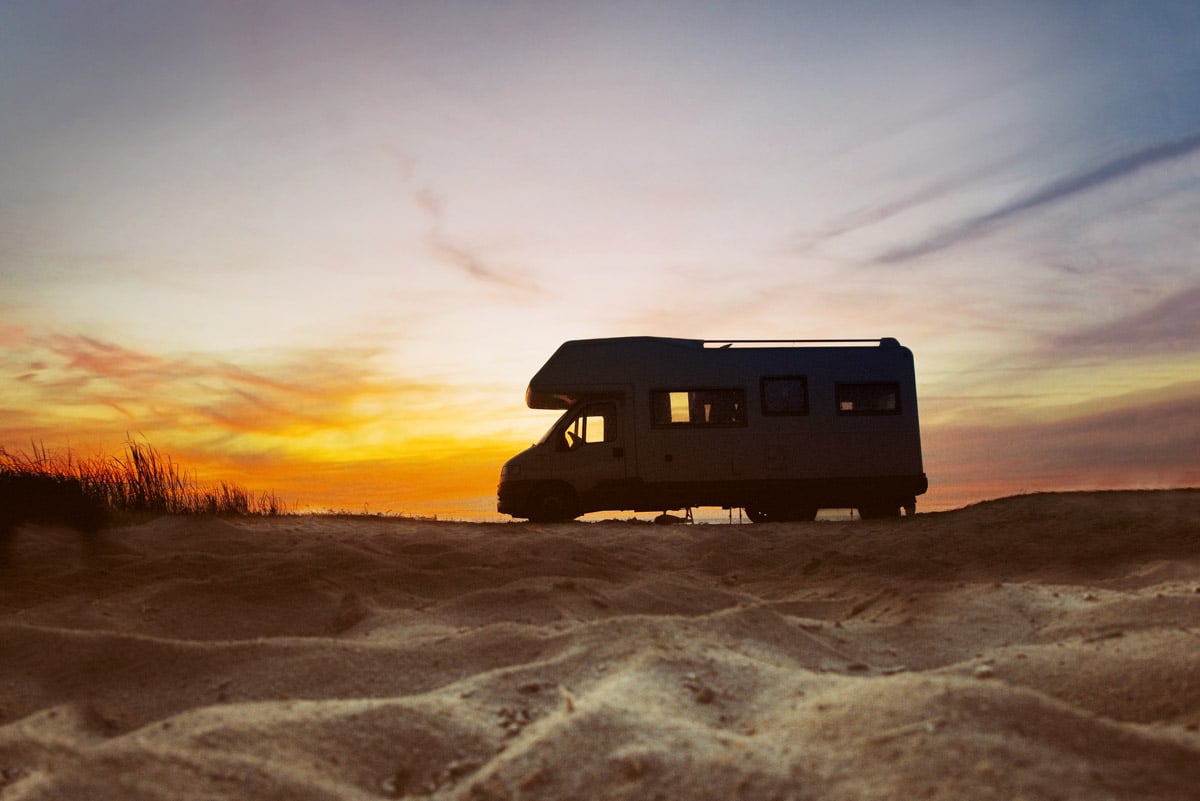
28. Sleep in Your Vehicle
If your SUV or minivan’s seats fold flat, make a cozy sleeping area with blankets and pillows. In good weather, you can get campground amenities at a fraction of the cost without sleeping on the ground.
29. Buy an Annual National Parks Pass
If you plan to visit several national parks, an annual pass (about $80) can save money by waiving multiple entrance fees. Senior, military and other special passes are available at reduced rates or free.
You can also look for free entry days or visit parks that don’t charge admission.
30. Couchsurf
Skip lodging fees by staying with friends or family. If you don’t have contacts, try platforms like Couchsurfing to find hosts willing to offer a place to stay.
31. Work for Free Lodging With WWOOF
WWOOF (Worldwide Opportunities on Organic Farms) connects volunteers with farms offering room and board in exchange for work. If you’re open to some manual labor, it’s a great way to reduce lodging costs.
32. Join an RV Discount Club
If you’re traveling in an RV, discount RV clubs can provide savings on campgrounds, fuel and other services.
33. Don’t Overspend on Hotels
Hotels cost more than camping but you can still find savings by:
- Comparing prices on Kayak, Travelocity or Booking.com.
- Using the HotelTonight app for last-minute deals.
- Joining hotel loyalty programs.
- Using credit card rewards.
- Staying outside the downtown core for lower rates.
34. Seek Free Activities
Minimize entertainment spending by finding free or low-cost things to do. Local event listings and tourism boards are excellent sources for free attractions.
35. Stay Active Without Spending Much
Hiking and biking are low-cost ways to stay active (use a bike rack if necessary). For families, playgrounds and park picnics are inexpensive fun.
If you prefer city exploring, try urban hiking to discover neighborhoods and architecture for free.
36. Skip Paid Guided Tours
Make your own self-guided tour instead of paying for a guide. Research ahead to create a list of must-see spots, ask for recommendations on social media, or use apps like GPSmyCity for walking tours.
37. Make DIY Souvenirs
Souvenirs are nice, but they don’t have to be costly. Photos are free and easy mementos — create a digital album or print them later. Save ticket stubs, menus or brochures to make a scrapbook. If you buy gifts, pick inexpensive items like postcards or stickers rather than bulky trinkets.
Following these road trip tips can help you have fun without overspending along the way.
Alex Moran is a freelance travel writer. Contributor Veronica Matthews covers lifestyle topics from North Carolina.