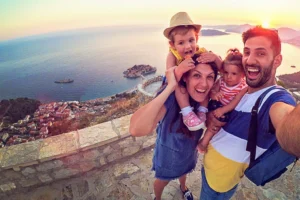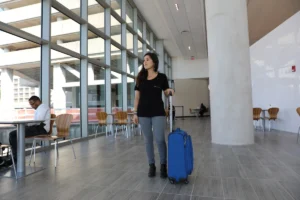
After many months without leisure travel, a lot of folks are eager to hop on a plane, train or get in the car.
People have coined the phrase “revenge travel” to describe the impulse to travel again after long periods at home — an effort to make up for vacations and experiences missed during lockdowns, quarantines, health concerns or a combination of those factors.
The rise of the Delta variant has shifted the landscape somewhat, with some indications it might be dampening travel demand. Still, many are making plans for when conditions improve.
A survey from CreditCards.com reported that 66% of participants intended to indulge themselves post-pandemic without a clear plan for covering the cost, and travel ranked high among their intended splurges.
But unless you’ve been putting money aside, revenge travel can seriously damage your financial health.
Here are tips to satisfy your travel cravings without plunging into debt.
Expect Wait Lists
It’s tempting to blow the budget on a standout vacation. You’ve earned it, right? And you’re not the only one thinking that way.
An April 2021 survey of 2,000 adults by Discover indicated 70% of Americans want to travel again, with half planning one or two trips in the next six months. Their main motivations were:
- 37% seeking relaxation
- 18% visiting family and friends
- 10% wanting a change of scenery
Travel agents are noticing pent-up demand, which in some instances is creating wait lists, says Malori Asman, owner of Amazing Journeys, a Pittsburgh-based company that concentrates on group travel.
Since 2020, Asman and her staff have frequently canceled and rebooked trips. As tours were rescheduled and people waited to see what would move forward, wait lists swelled.
Asman also sees that some travelers are prepared to spend more than they previously would. It’s part pent-up desire and part rationalizing — after not spending on travel in 2020, people feel freer to loosen their purse strings.
“That’s where folks are a little more relaxed about their travel plans and budgets.”
Avoid Financing Revenge Travel with Debt
The same CreditCards.com poll that revealed many had no payment plan for their splurges also showed 44% were willing to incur debt to treat themselves, and travel was a leading purchase in that category.
Certified financial planner Mary Bell Carlson, also known as the Chief Financial Mom, labels it the “we deserve” mindset, amplified by easy access to credit. The Discover poll found more than half planned to use a credit card to pay for revenge travel.
“That’s a bad idea,” Carlson warns.
Why? Because while you’re on vacation, interest continues to accrue. You might put $2,000 on a card expecting to pay it off later, but unless you clear the balance promptly, interest will inflate the total. “By the time you’ve paid it off, you’ve spent far more than you thought that trip would cost.”
Early in the pandemic many people ramped up savings, Carlson notes, but now old spending habits are returning.
So how can you get away without wrecking your financial future?
Carlson recommends aligning your trip with what you can actually afford. See what your budget allows before dreaming of a family escape to Waikiki. Maybe a trip to Walla Walla, Washington, or a nearby drive is more realistic.
Or delay and save a bit more until you can afford what you want.
“I get it — you want out. Find something that fits the money you have or the amount you’ve saved.”
Here’s guidance on how to build a travel fund to cover upcoming trips and curb the urge to overspend after the pandemic. You can also read related tips on travel budget saving money on food to trim costs while away.

Bring the Family Into Travel Choices
Finding an affordable vacation might be simpler than you imagine. Carlson advises involving the whole family.
For example: On a recent trip with three kids under five, Carlson drove three hours to a theme park for an overnight trip. The highlight for the children wasn’t the rides — it was the hotel pool.
“We literally could have chosen a nearby hotel and they would have been just as thrilled,” she says.
The lesson? Make it a family conversation. “Say, look, we have $500 — do you want a vacation? If so, where should we go?”
Kids are likely to pick low-cost options over expensive hotspots. Even better, Carlson says, “Including the kids in choosing what matters to them creates memories that outweigh dollar amounts. It’s the experiences you collect.”
A road trip can be a smart, budget-friendly choice — and you can use tips to save money on the drive.
If the family opts for a larger trip, Carlson suggests setting aside a small amount each month so that within a year you’ll have the needed funds. “Stash it where you won’t be tempted to spend it.”
Don’t Let Social Media Drive You
After a long break from travel, it might appear everyone is jetting away. It’s easy to succumb to FOMO.
Don’t be fooled by curated feeds.
Social platforms “are the perfect storm for comparison — you compare your worst day to someone else’s highlight reel,” Carlson notes.
Instead of measuring yourself against others, craft your own experience. That could mean reserving a nearby hotel (pool included!), ordering takeout, and having a family movie night.
Shield Your Trip with Travel Insurance
Whatever you choose, protecting the money you spend on travel matters.
Buy travel insurance to cover cancellations or changes, and to provide medical protection if you fall ill or are injured while away.
According to Squaremouth, an online comparison service for travel insurance, many destinations and cruise lines now require proof of coverage to ensure travelers are protected if they become ill while traveling. This is especially true for some Caribbean destinations popular with U.S. visitors.
Squaremouth estimates a typical travel insurance policy adds roughly 4% to trip costs.
Asman of Amazing Journeys advises that whatever policy you choose should include cancellation protection and explicitly list COVID-19 as a covered reason, so if you or a companion test positive before departure you can cancel.
Some plans offer “cancel for any reason” coverage, but those can be pricier — as much as 40% of trip cost — and refunds may be partial rather than full.
Asman also recommends coverage for medical care and hospitalization while away from home, including treatment for COVID-19. “I always suggest cancellation insurance,” she adds.
Go Take That Trip — but Only If You Can Afford It
There are plenty of activities and destinations that won’t require an around-the-world budget. They can still be memorable.
“Everyone needs a break by now, and that’s perfectly fine,” Carlson says. “Just do it within your means.”
After months of halted travel, Amazing Journeys’ first group finally departed for Mount Rushmore in South Dakota.
“We are thrilled,” Asman said. “People are so excited to be out and together again.”
Jordan Fields is a freelance journalist based in Florida with over two decades of experience covering money, health, travel and related subjects.